
 Valletta
Valletta's Architectural Wonders Unveiled
Join our free walking tour to explore Valletta’s stunning architectural gems, from Baroque masterpieces to military fortifications, showcasing the city's rich history.
Time
3 Hours
Stops
9 Places
Distance
2.7 km
St. John's Co-Cathedral
Begin your tour at St. John's Co-Cathedral, a masterpiece of Baroque architecture with an ornate facade and stunning interior, showcasing the grandeur of Valletta’s religious architecture.
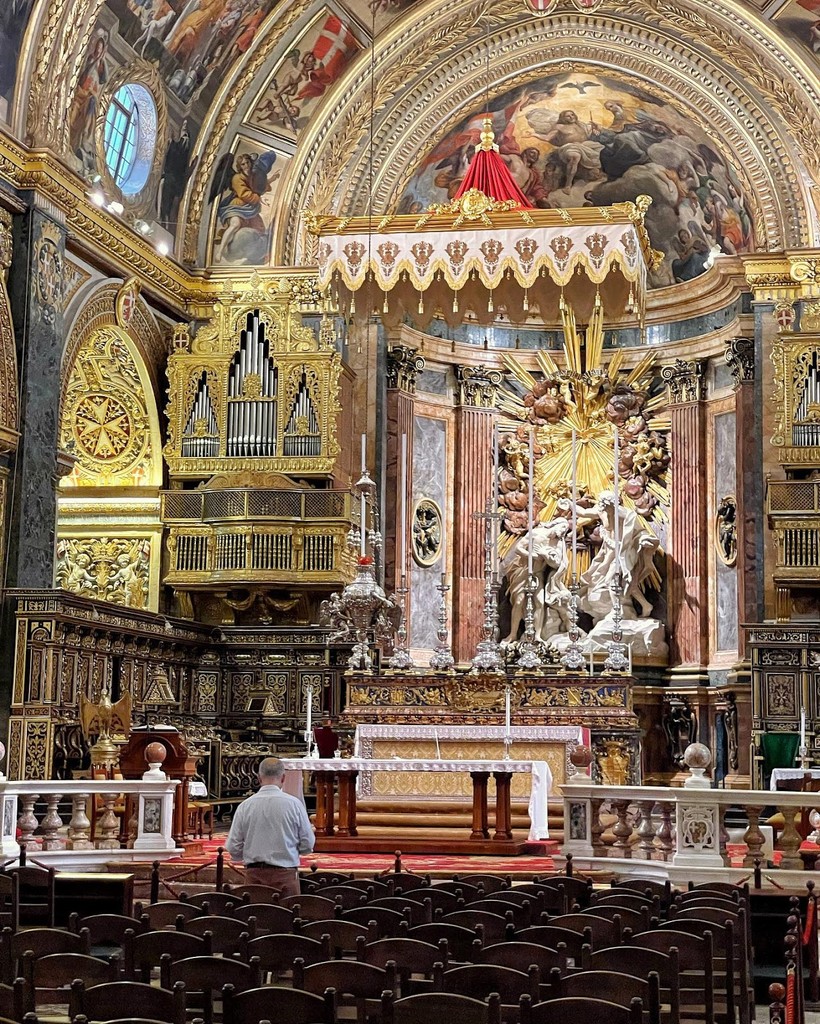
St. John's Co-Cathedral (Source: Google Maps)
St. John's Co-Cathedral stands as a testament to the grandeur of Baroque architecture in Valletta. Commissioned by the Knights of St. John in the 16th century, this cathedral is renowned for its opulent interior adorned with intricate carvings, gilded ceilings, and vibrant frescoes. The most notable feature is the stunning floor made of marble tombstones, each marking the resting place of a knight. The cathedral also houses Caravaggio's masterpiece, 'The Beheading of Saint John the Baptist,' which captivates visitors with its dramatic use of light and shadow. Beyond its artistic treasures, the cathedral serves as a symbol of the Knights' power and devotion, making it a cornerstone of Valletta's religious and cultural heritage.
Auberge de Castille
Explore the Auberge de Castille, an architectural gem that once housed the knights from Castile, León, and Portugal, and now serves as the office of the Prime Minister of Malta.
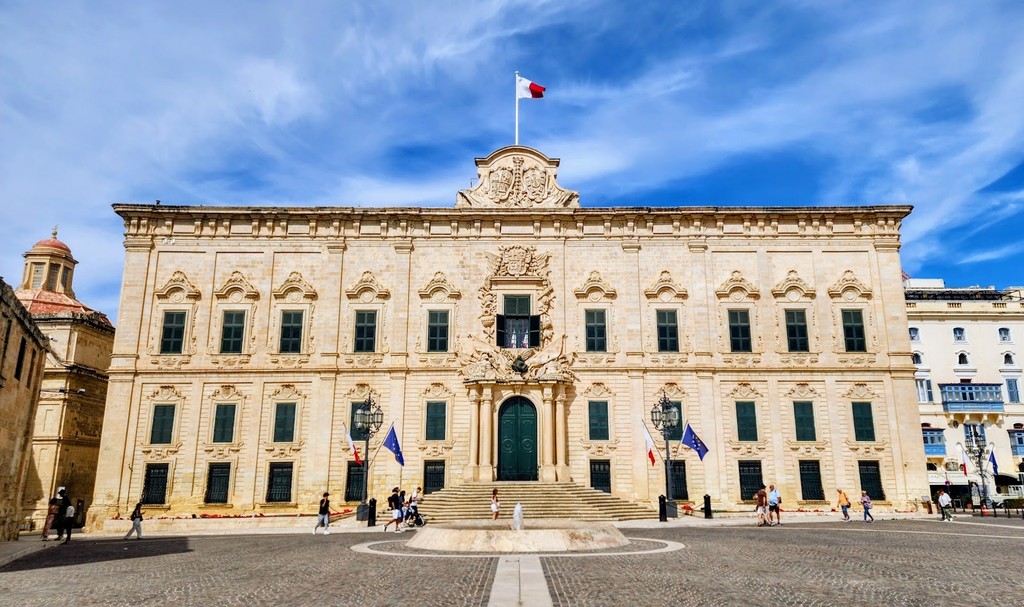
Auberge de Castille (Source: Google Maps)
The Auberge de Castille is a remarkable example of Maltese Baroque architecture, originally built in the late 16th century to accommodate the Knights of St. John from Castile, León, and Portugal. Its facade is characterized by elegant stonework and grand arches, reflecting the wealth and status of the knights. Today, it serves as the office of the Prime Minister of Malta, linking the past with the present. The building's historical significance is profound, as it has witnessed key events in Maltese history, including the Great Siege of 1565. Visitors can admire its impressive architecture while contemplating its role in shaping the governance of Malta over the centuries.
Upper Barrakka Gardens
Enjoy panoramic views of the Grand Harbour from the Upper Barrakka Gardens, a serene spot that offers a glimpse into Valletta’s strategic military architecture.
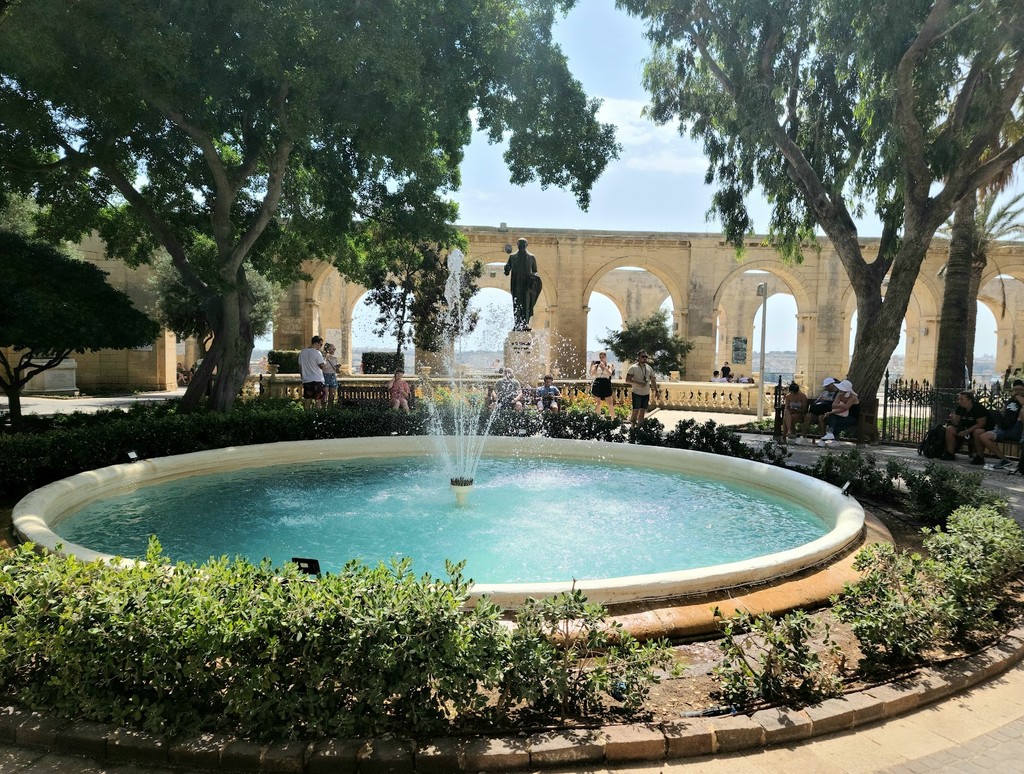
Upper Barrakka Gardens (Source: Google Maps)
The Upper Barrakka Gardens offer a serene escape in Valletta, providing visitors with breathtaking panoramic views of the Grand Harbour and the Three Cities. Established in the 17th century, these gardens were originally designed for the knights of St. John, showcasing beautiful landscaping and classical statues. The gardens are not only a place of beauty but also a site of historical significance, as they were used for military purposes during various sieges. The stunning vistas from the gardens illustrate Valletta's strategic position and highlight its maritime heritage. It's a perfect spot for reflection and to appreciate the architectural marvels that surround the harbour.
Church of St. Paul’s Shipwreck
Visit the Church of St. Paul’s Shipwreck, one of Valletta’s oldest churches, featuring exquisite Baroque architecture and a rich history tied to Malta’s patron saint.
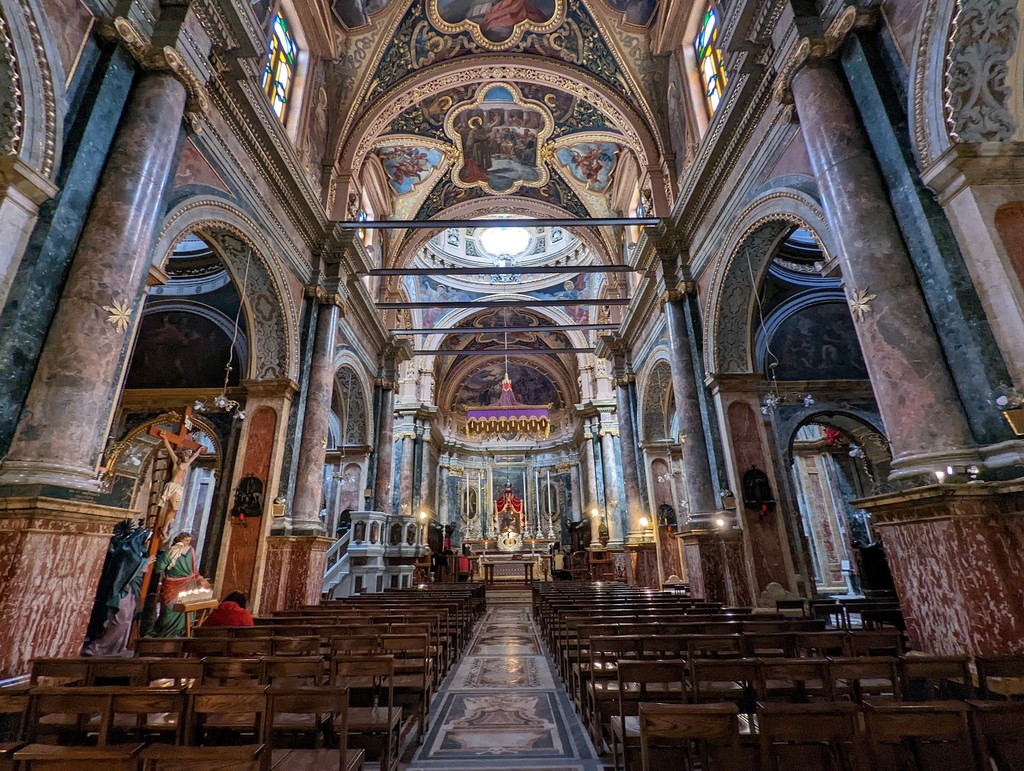
Church of St. Paul’s Shipwreck (Source: Google Maps)
The Church of St. Paul’s Shipwreck is one of Valletta’s oldest and most revered churches, dedicated to Malta’s patron saint. Built in the 17th century, the church is a prime example of Baroque architecture, featuring a stunning facade adorned with intricate sculptures and a grand interior filled with ornate decorations. The church is home to the revered relic of St. Paul’s shipwreck, which holds significant religious importance for the Maltese people. Visitors are often struck by the vibrant frescoes and the lavish altar, which reflect the deep spiritual heritage of Malta. The church serves as a pilgrimage site, embodying the intertwining of faith and architectural beauty.
The Siege Bell War Memorial
Discover the Siege Bell War Memorial, a poignant structure commemorating Malta’s resilience during World War II, offering a unique blend of historical significance and architectural design.
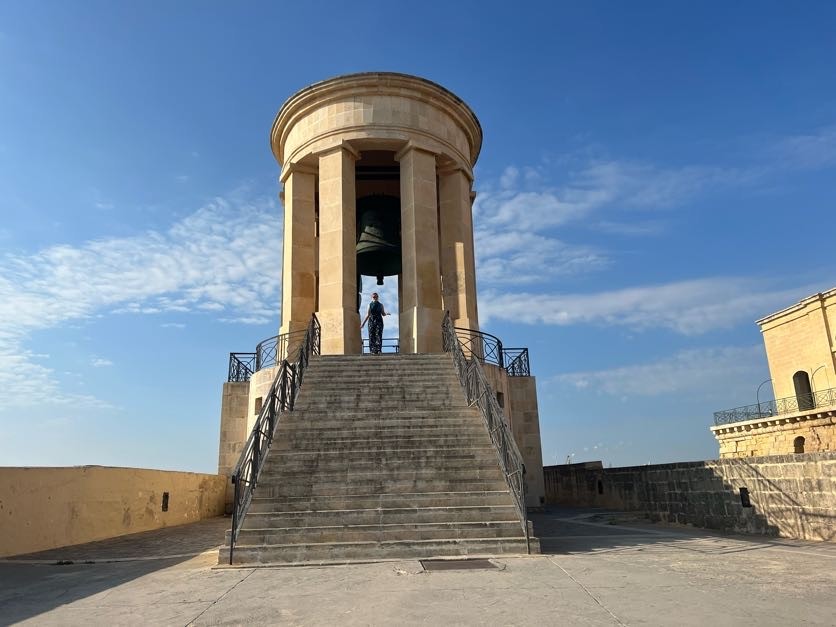
The Siege Bell War Memorial (Source: Google Maps)
The Siege Bell War Memorial stands as a poignant tribute to Malta’s resilience during World War II. Erected in 1992, this striking structure features a large bronze bell that rings daily at noon, symbolizing the courage of those who fought to protect the island. The memorial is situated on the edge of the Upper Barracca Gardens, providing a solemn backdrop for reflection. The architecture combines modern design with historical elements, creating a space that honors the sacrifices made during the war. Its location offers stunning views of the Grand Harbour, reminding visitors of the strategic significance of Malta during the conflict and the enduring spirit of its people.
Fort St. Elmo
Head to Fort St. Elmo, a star-shaped fortress that played a crucial role in the Great Siege of Malta, showcasing military architecture from the 16th century.
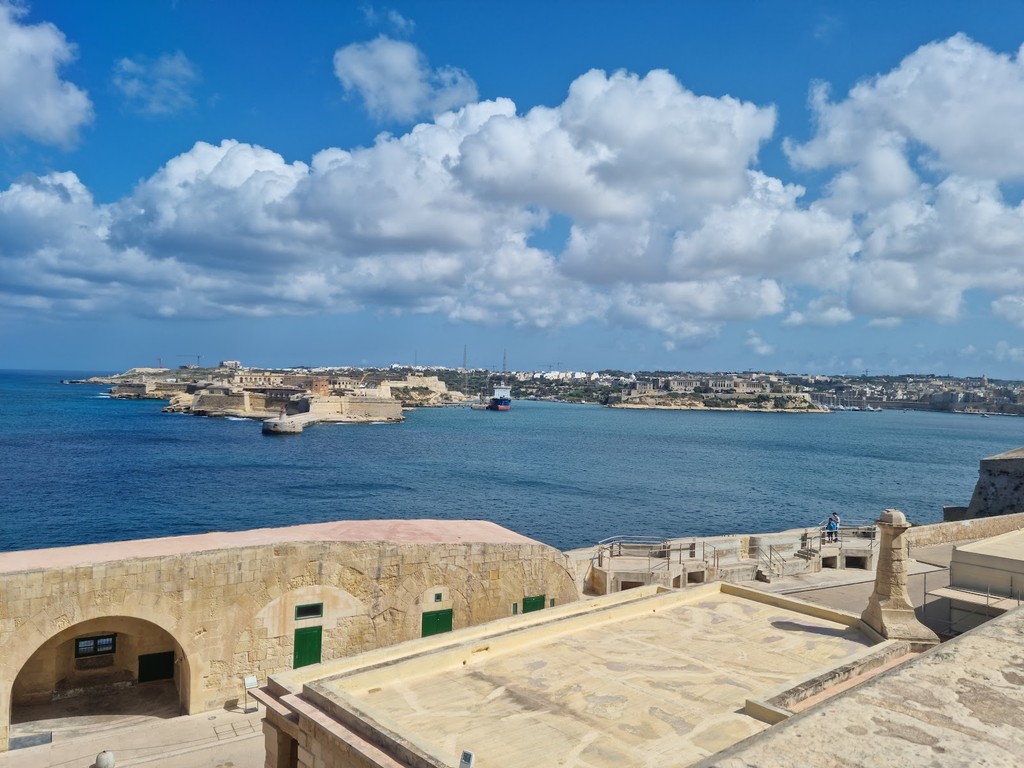
Fort St. Elmo (Source: Google Maps)
Fort St. Elmo is a star-shaped fortress that played a crucial role in the Great Siege of Malta in 1565. Constructed in the 16th century, it was designed to defend the entrance to the Grand Harbour and protect Valletta from invasion. The fort's architecture is a testament to military ingenuity, featuring thick walls and a strategic layout that allowed for effective defense. Throughout its history, Fort St. Elmo has been involved in various conflicts and has served as a military barracks and a training ground. Today, it houses the National War Museum, which showcases Malta's military history. The fort's panoramic views of the surrounding sea and cityscape make it a popular attraction for history enthusiasts and tourists alike.
Grandmaster's Palace
Continue to the Grandmaster's Palace, a symbol of power and prestige, with its elegant courtyards and intricate architectural details that highlight the grandeur of the Knights of St. John.
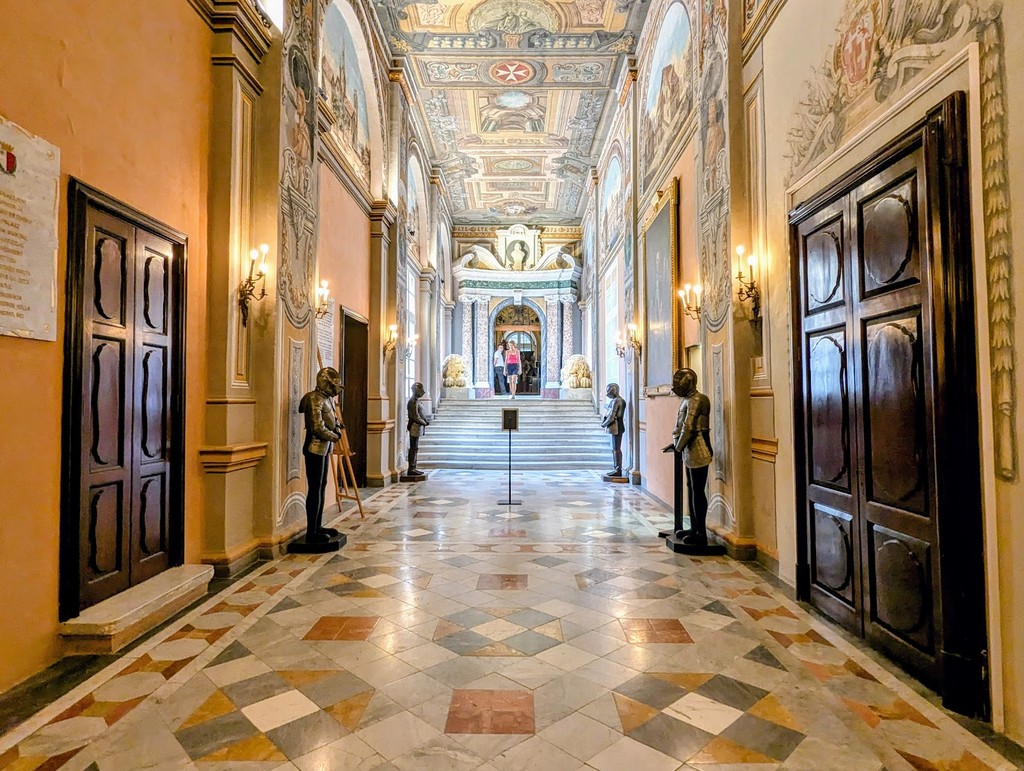
Grandmaster's Palace (Source: Google Maps)
The Grandmaster's Palace is a magnificent building that served as the residence of the Grandmasters of the Knights of St. John. Its architecture reflects the grandeur and power of the Knights, featuring an impressive facade and ornate courtyards. Built in the 16th century, the palace has been the site of important political events and decisions that shaped Malta's history. The interior is richly decorated with tapestries, portraits, and historical artifacts, providing a glimpse into the opulence of the Knights' rule. Today, the palace houses the Office of the President of Malta and is open to the public, allowing visitors to explore its historical significance and architectural beauty.
St. George’s Square
Walk through St. George’s Square, the heart of Valletta, surrounded by stunning historical buildings and offering a vibrant atmosphere to soak in the city’s architectural beauty.
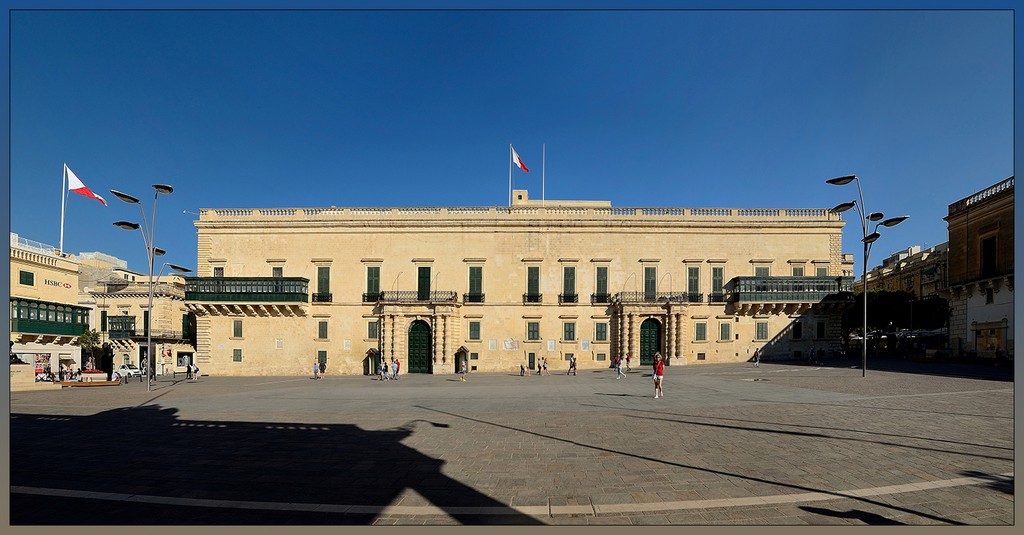
St. George’s Square (Source: Google Maps)
St. George’s Square is the vibrant heart of Valletta, surrounded by stunning historical buildings that showcase the city’s architectural diversity. This lively square has been a focal point for public events, celebrations, and gatherings for centuries. The square is home to the stunning façade of the Grandmaster's Palace and the majestic Church of St. George, which adds to its charm. The architectural styles represented around the square range from Baroque to Neoclassical, reflecting the evolution of Valletta’s design over the years. Visitors can soak in the atmosphere, enjoy local performances, and appreciate the intricate details of the surrounding structures, making it a must-visit location for anyone exploring the city.
Strait Street
Conclude your tour at Strait Street, known for its narrow, winding path and eclectic mix of architectural styles, reflecting Valletta’s rich cultural tapestry.
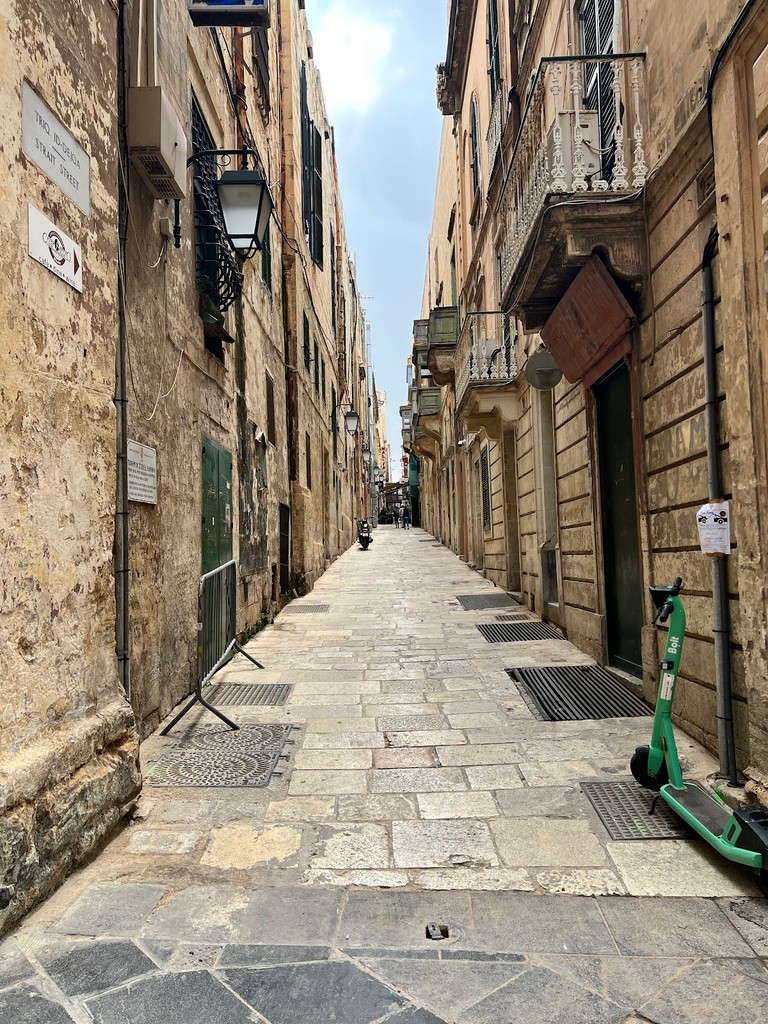
Strait Street (Source: Google Maps)
Strait Street, known for its narrow, winding path, is a historic thoroughfare that reflects Valletta’s rich cultural tapestry. Once a bustling center of trade and social life, the street is lined with an eclectic mix of architectural styles, from Baroque to modern. It has been a hub for artists, musicians, and locals, contributing to the vibrant atmosphere of the city. The street’s architecture tells the story of Valletta's evolution, with buildings that have witnessed centuries of change and transformation. Today, Strait Street is a popular destination for nightlife and dining, preserving its legacy as a lively gathering place while showcasing the unique architectural heritage of Valletta.
Your travels, your rules.
Create your own Free Walking Tours.
Set your preferences, distances and anything you want to do or see.
Completely free, no payment required.