
 Seoul
SeoulSeoul's Timeless Treasures Unveiled
Join this free walking tour to explore Seoul's rich history, stunning architecture, and vibrant culture while discovering iconic landmarks and hidden gems.
Time
3 Hours
Stops
9 Places
Distance
?
Gwanghwamun Plaza
Start your tour at Gwanghwamun Plaza, a historic site that offers a stunning view of Gyeongbokgung Palace's main gate and a statue of King Sejong the Great.
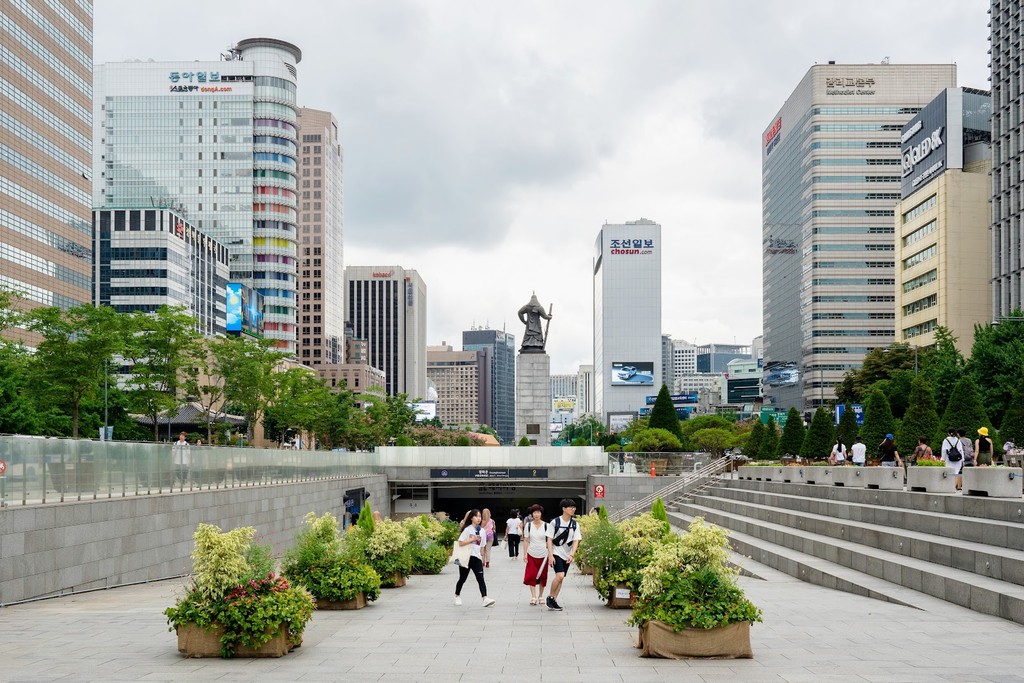
Gwanghwamun Plaza (Source: Google Maps)
Gwanghwamun Plaza serves as a symbolic heart of Seoul, connecting the past and present. It features a grand statue of King Sejong the Great, who invented the Korean script, Hangul. This historic site offers breathtaking views of Gyeongbokgung Palace's main gate, a prime example of Joseon Dynasty architecture. The plaza also hosts various cultural events and performances, making it a lively gathering place for locals and tourists alike. Surrounding the plaza are significant landmarks, including the impressive Gwanghwamun Gate and the Korea History Museum, enriching visitors' understanding of Korea's historical journey.
Heungnyemun Gate Plaza
Walk straight ahead for 1 minute to reach Heungnyemun Gate Plaza, where you can witness the traditional Changing of the Guard ceremony.
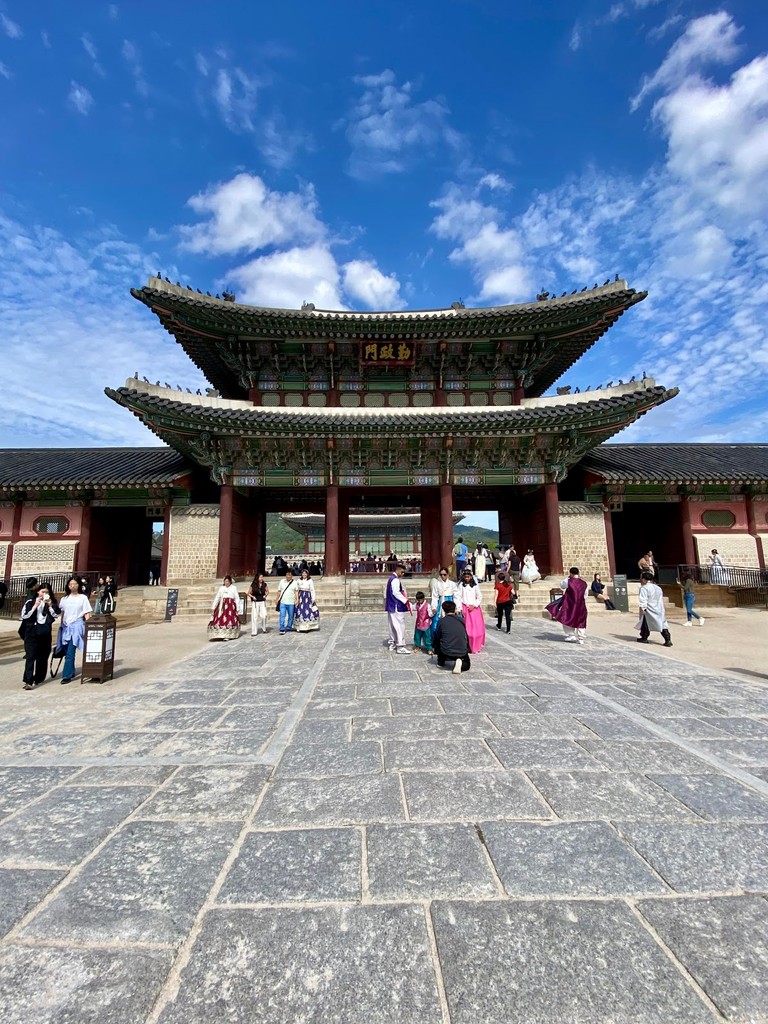
Heungnyemun Gate Plaza (Source: Google Maps)
Heungnyemun Gate Plaza is renowned for its ceremonial Changing of the Guard, which showcases traditional Korean military customs. The gate itself, built in 1869, is an exquisite example of Korean architectural design, featuring intricate wooden carvings and a beautiful tiled roof. Visitors can witness the guards in their vibrant uniforms, a spectacle that attracts many photography enthusiasts. The plaza is not only a transition point to Gyeongbokgung Palace but also a space for cultural exchange, where historical reenactments and performances are often held, bringing the rich heritage of Korea to life.
Gyeonghoeru Pavilion
After purchasing your ticket, walk left for 3 minutes to the serene Gyeonghoeru Pavilion, a popular spot for photography and relaxation by the lake.
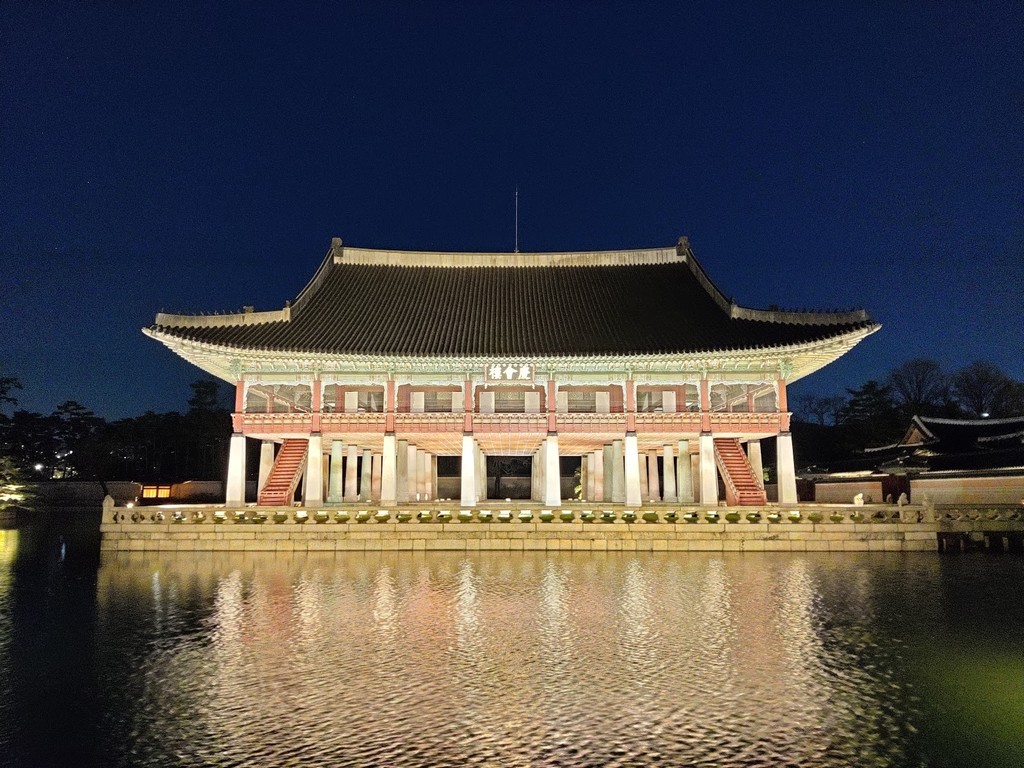
Gyeonghoeru Pavilion (Source: Google Maps)
Gyeonghoeru Pavilion is one of the most picturesque spots in Gyeongbokgung Palace, known for its serene setting by a beautiful lake. Constructed in 1867, this two-story structure served as a banquet hall for royal gatherings and celebrations. The pavilion is supported by 48 pillars and adorned with intricate decorations that reflect the artistry of the Joseon Dynasty. Visitors often enjoy the tranquil surroundings, making it a popular location for photography. The harmony between the pavilion and the natural landscape exemplifies traditional Korean aesthetics, emphasizing the importance of nature in royal life.
Sinmumun Gate (Rear Gate)
Continue walking north to exit through the Sinmumun Gate, the rear gate of Gyeongbokgung Palace, offering a unique perspective of the palace grounds.
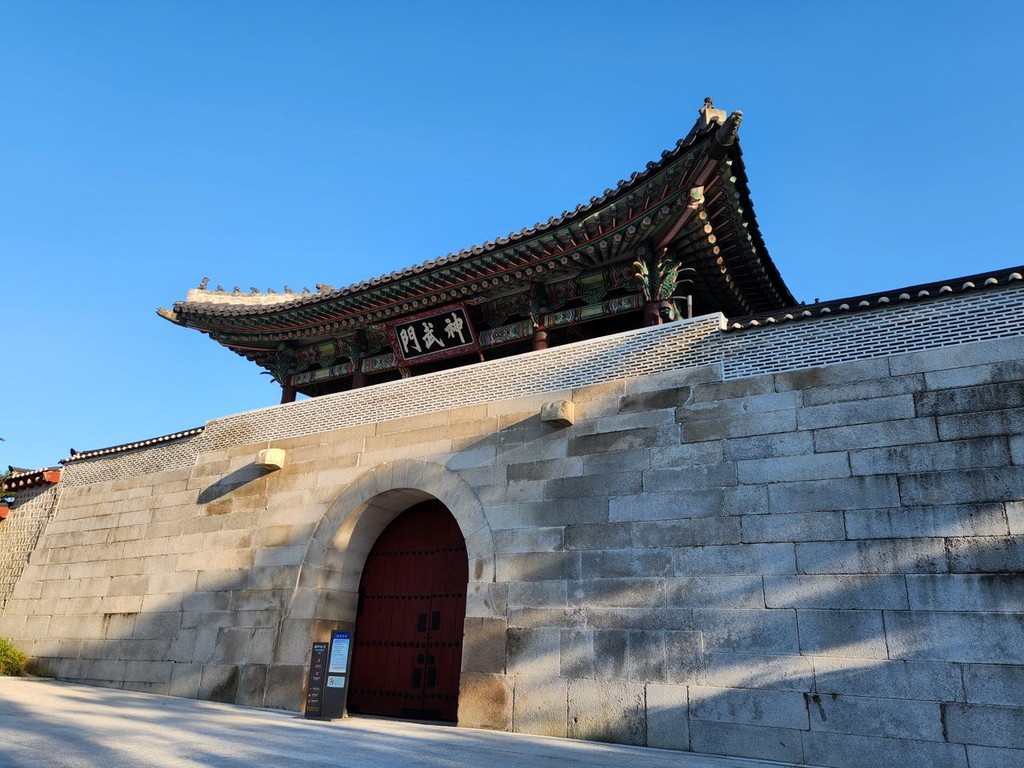
Sinmumun Gate (Rear Gate) (Source: Google Maps)
Sinmumun Gate, the rear gate of Gyeongbokgung Palace, offers a unique perspective of the palace grounds. Built during the Joseon Dynasty, this gate served as an important entry point for royal family members and officials. Its simple yet elegant design, characterized by wooden structures and traditional roofing, showcases the architectural style of the era. Exiting through Sinmumun provides visitors with an opportunity to appreciate the palace's expansive grounds and the surrounding landscape, as well as the historical significance of the gate in facilitating royal movements and ceremonies.
Cheongwadae Sarangchae
Cross the pedestrian crossing for 1 minute to reach Cheongwadae Sarangchae, an exhibition hall where you can learn about Korea's presidential history and culture.
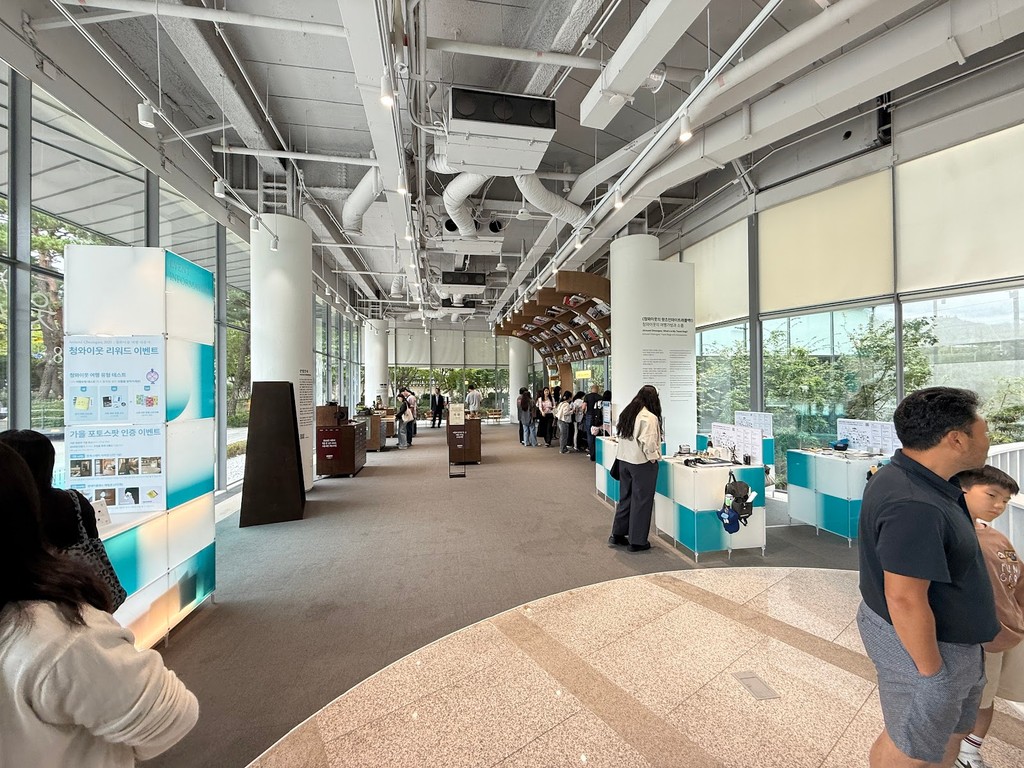
Cheongwadae Sarangchae (Source: Google Maps)
Cheongwadae Sarangchae is a modern exhibition hall that presents the history and culture of Korea's presidency. This venue, part of the Blue House complex, provides insights into the nation's political evolution and significant events. The building itself combines traditional Korean architectural elements with modern design, symbolizing the harmony between Korea's past and present. Inside, visitors can explore various exhibits showcasing presidential memorabilia, historical documents, and interactive displays that highlight Korea's democratic journey. It serves as an educational resource for those interested in understanding the role of the presidency in shaping contemporary Korean society.
Cheongwadae (Blue House) Main Gate Plaza
Arrive at the main gate plaza of Cheongwadae, also known as the Blue House, for a memorable photo opportunity in front of Korea's presidential residence.
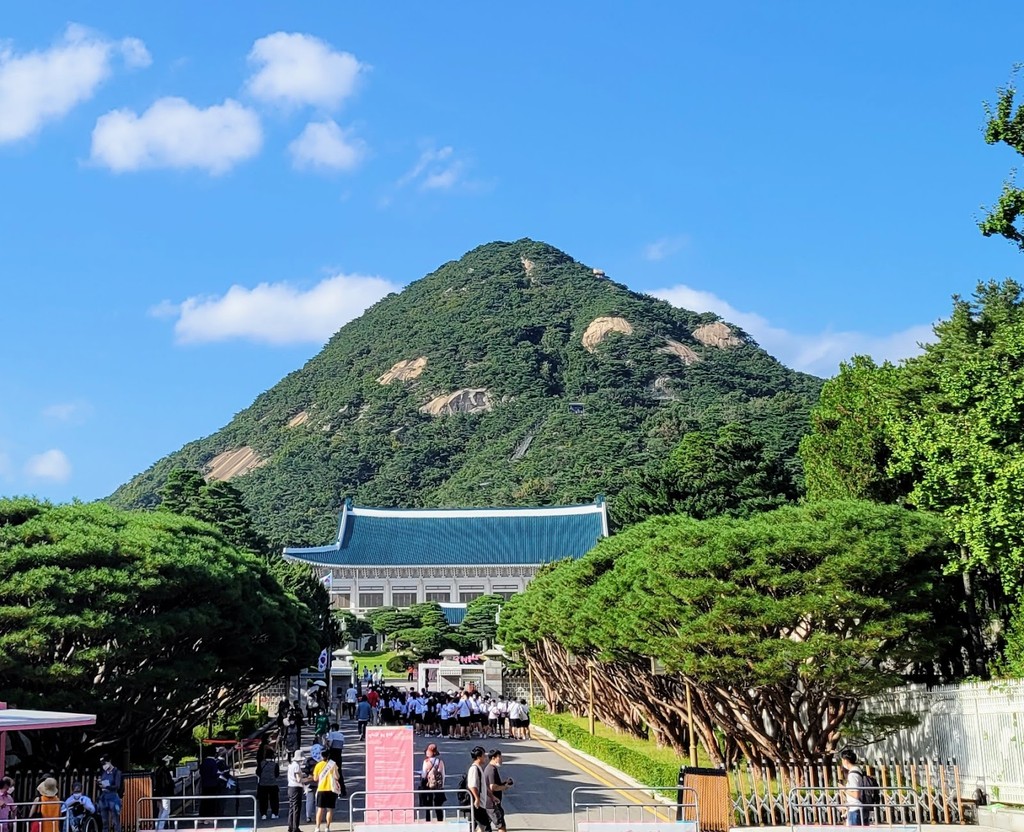
Cheongwadae (Blue House) Main Gate Plaza (Source: Google Maps)
The main gate plaza of Cheongwadae, also known as the Blue House, is a significant landmark that serves as the presidential residence of South Korea. The name 'Blue House' derives from its distinctive blue-tiled roof, symbolizing peace and prosperity. The plaza offers stunning views of the building and is often visited by tourists seeking to capture memorable photos. It is not only a site of political importance but also a cultural symbol, representing the heart of Korean governance. Visitors can appreciate the harmonious blend of nature and architecture, as the surrounding gardens enhance the beauty of this iconic location.
Samcheongdong-gil Road
Head towards Samcheongdong-gil, a charming street lined with art galleries, quaint cafes, and traditional Korean houses, offering a blend of culture and modernity.
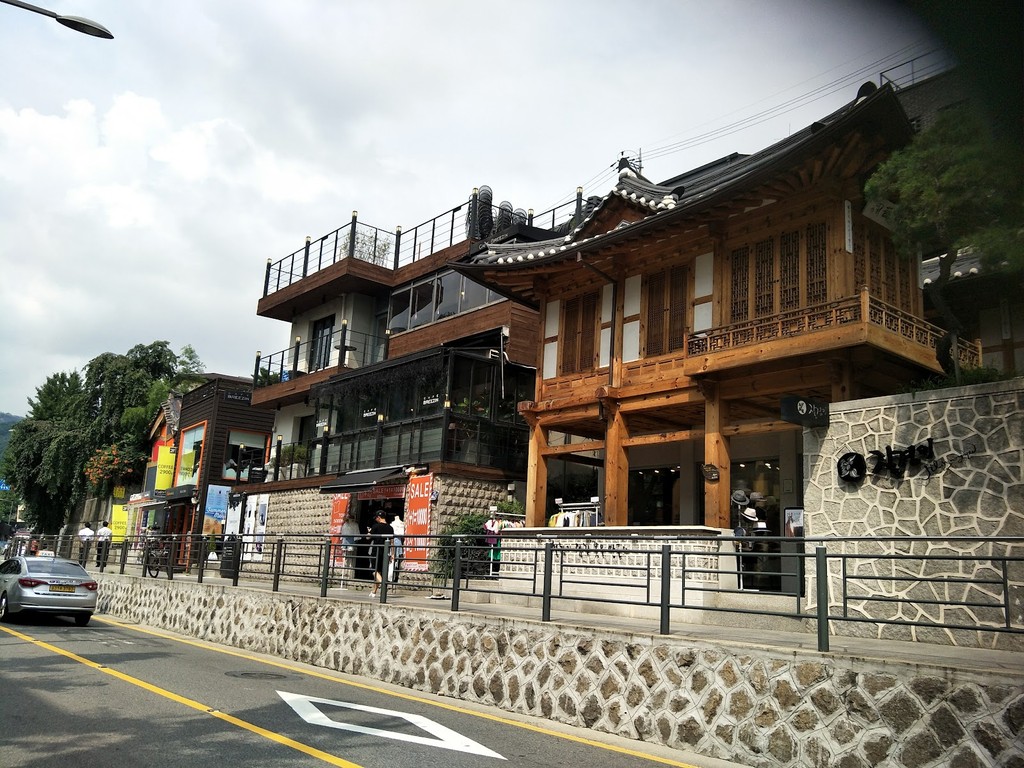
Samcheongdong-gil Road (Source: Google Maps)
Samcheongdong-gil Road is a charming street that beautifully merges traditional and contemporary Korean culture. Lined with art galleries, quaint cafes, and traditional hanoks, this area reflects the artistic spirit of Seoul. The road is a popular destination for both locals and tourists, offering a leisurely stroll through a picturesque neighborhood. Visitors can enjoy various cultural experiences, from art exhibitions to culinary delights, making it a vibrant hub of creativity. The blend of modernity with historical architecture provides a unique glimpse into the evolving identity of Seoul, making it an essential stop on any cultural exploration.
Bukchon Hanok Village
Explore Bukchon Hanok Village, a picturesque neighborhood filled with traditional Korean hanoks, where you can experience the ambiance of historical Seoul.

Bukchon Hanok Village (Source: Google Maps)
Bukchon Hanok Village is a well-preserved area showcasing traditional Korean houses, known as hanoks. Nestled between Gyeongbokgung and Changdeokgung Palaces, this village offers a glimpse into Seoul's historical past. The hanoks, characterized by their wooden structures and tiled roofs, date back to the Joseon Dynasty and reflect the architectural style of the time. Walking through the narrow alleys of Bukchon, visitors can experience the ambiance of historical Seoul, with many houses now functioning as cultural centers, tea houses, and guesthouses. The village is a living testament to Korea's rich heritage, attracting those interested in traditional culture and architecture.
Insadong Street
Conclude your tour at Insadong Street, a cultural hub known for its traditional tea houses and craft shops, perfect for picking up unique souvenirs.
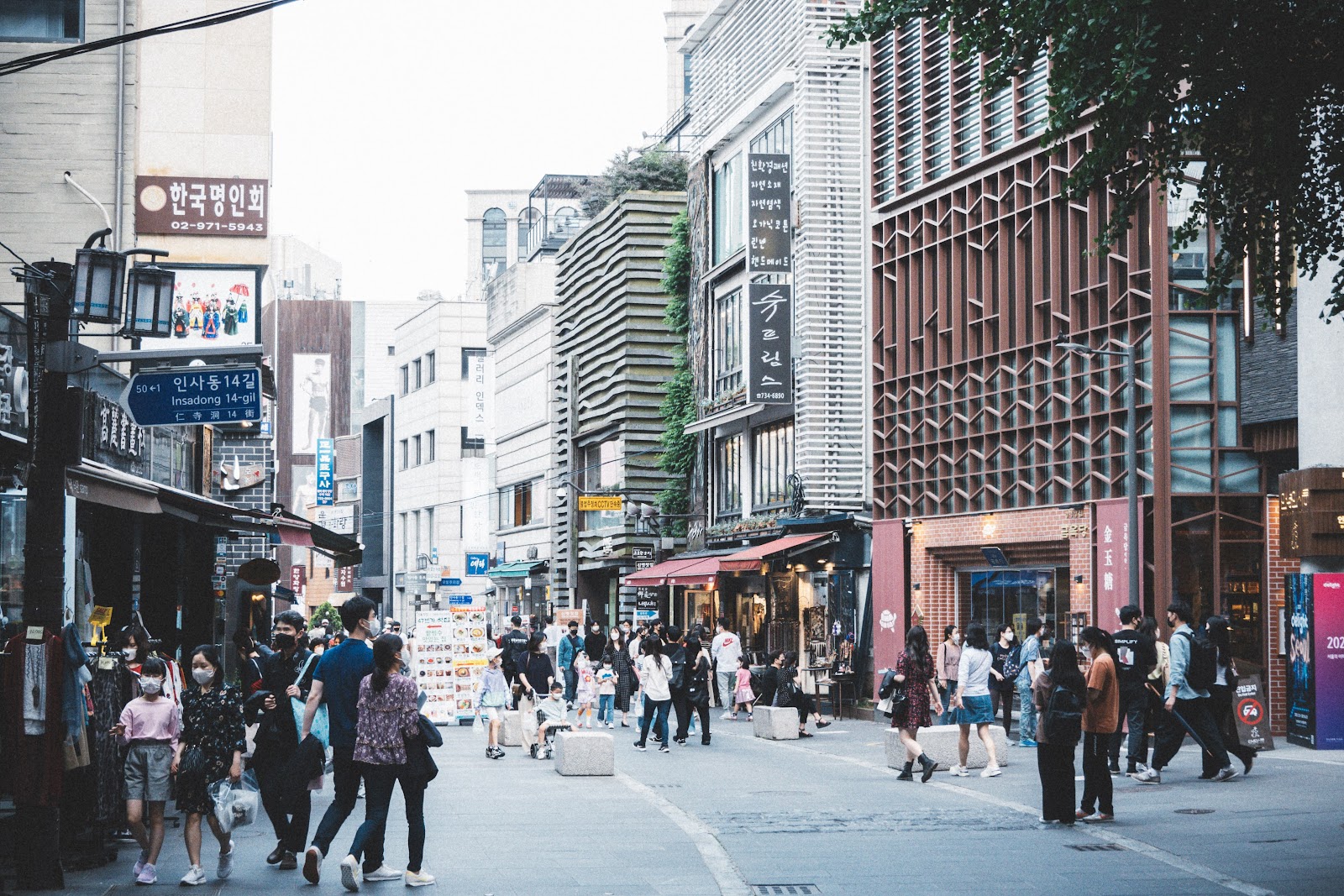
Insadong Street (Source: Google Maps)
Insadong Street is a vibrant cultural hub in Seoul, renowned for its traditional tea houses, craft shops, and art galleries. This bustling street is a favorite among locals and tourists seeking authentic Korean experiences. Visitors can explore a variety of traditional crafts, including pottery, calligraphy, and hanbok (traditional clothing), making it an ideal place for unique souvenirs. The street also hosts cultural events and performances, further enriching the experience. Insadong's atmosphere blends the old and new, making it a perfect conclusion to the tour, allowing visitors to immerse themselves in Korea's artistic and cultural legacy.
Your travels, your rules.
Create your own Free Walking Tours.
Set your preferences, distances and anything you want to do or see.
Completely free, no payment required.