
 Rome
RomeMythical Rome: A Journey Through Legends
Join our free walking tour to explore the enchanting world of Roman mythology, revealing secrets of gods, heroes, and ancient tales that shaped a civilization.
Time
3 Hours
Stops
8 Places
Distance
4.2 km
Piazza del Campidoglio
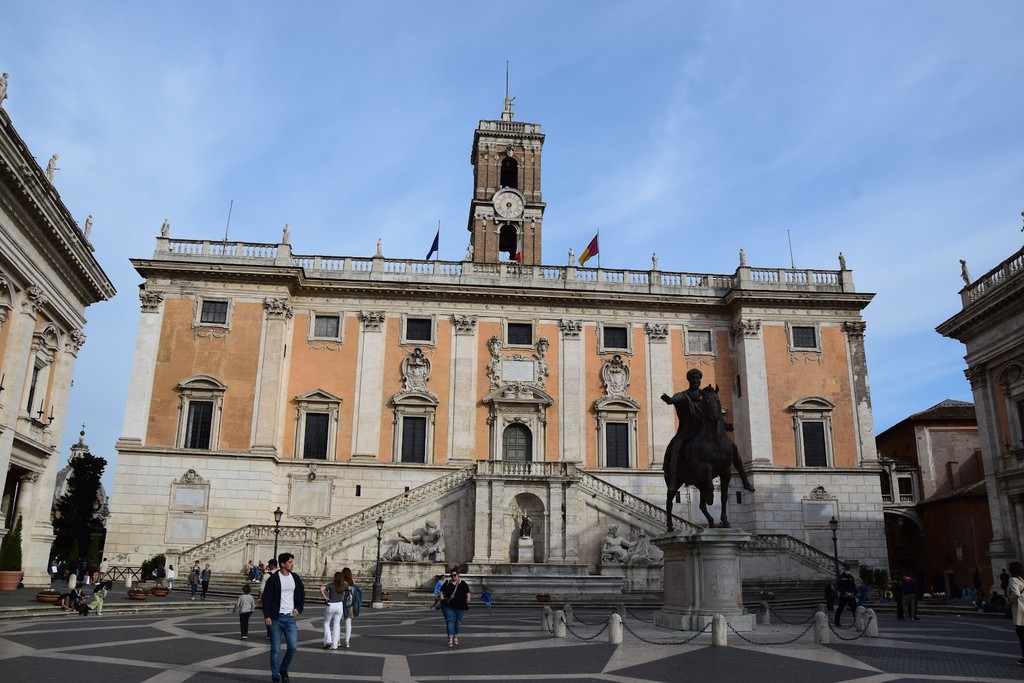
Designed by Michelangelo, this historic square is located on Capitoline Hill, one of Rome's seven hills, and is deeply rooted in Roman mythology as it was once home to the Temple of Jupiter Optimus Maximus.
Piazza del Campidoglio (Source: Google Maps)
Designed by Michelangelo, Piazza del Campidoglio is a historic square on Capitoline Hill, significant in Roman mythology. It was once the site of the Temple of Jupiter Optimus Maximus, the most important temple in ancient Rome, dedicated to the king of the gods. The square's design reflects Renaissance ideals and showcases a harmonious blend of architecture and mythology. The central location and grandeur of the square symbolize the power and influence of Rome, making it a key site for both politics and religion throughout history. Visitors can admire the equestrian statue of Marcus Aurelius and the surrounding palaces that house the Capitoline Museums, which further celebrate the city's rich mythological heritage.
Capitoline Museums
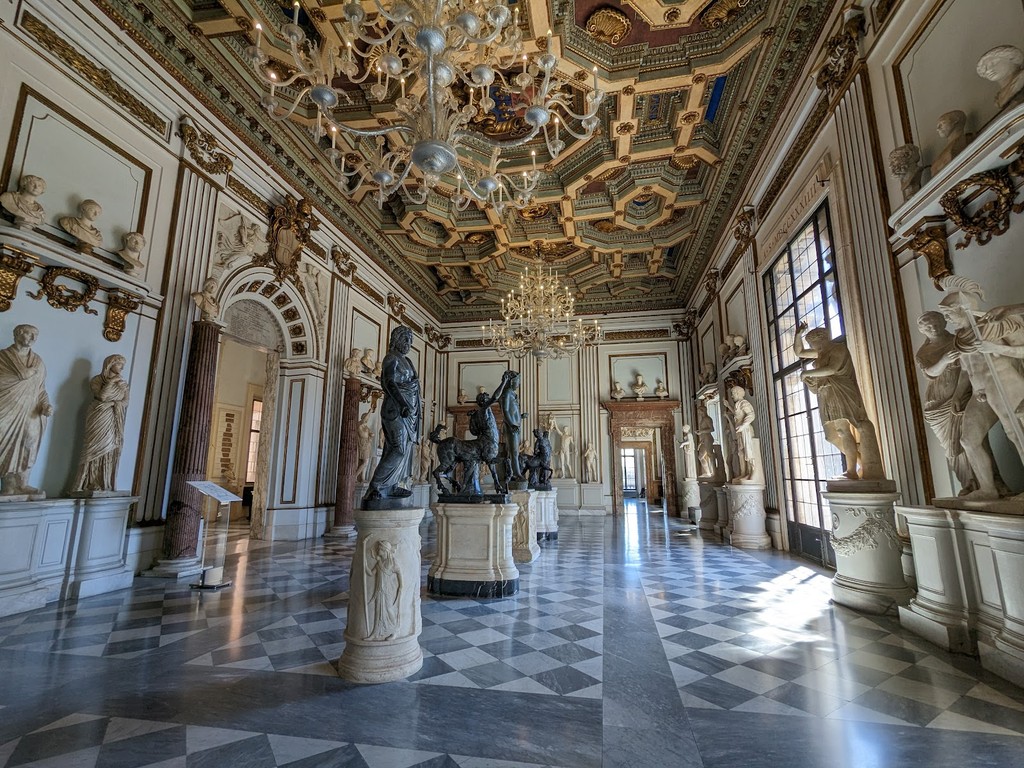
These museums house a significant collection of ancient Roman art and artifacts, including statues of mythological figures like the Capitoline Wolf, which is linked to the legend of Romulus and Remus.
Capitoline Museums (Source: Google Maps)
The Capitoline Museums, established in the 15th century, are among the oldest public museums in the world. They boast an extensive collection of ancient Roman art and artifacts, including the iconic Capitoline Wolf, a symbol of Rome's legendary founders, Romulus and Remus. The museums are divided into several buildings, each showcasing various aspects of Roman history, culture, and mythology. Visitors can explore sculptures, paintings, and inscriptions that illustrate the grandeur of Roman civilization and its pantheon of gods. The museums also serve as a testament to the enduring legacy of Roman mythology in art and culture, making them a must-visit for anyone interested in the stories that shaped this ancient city.
Roman Forum
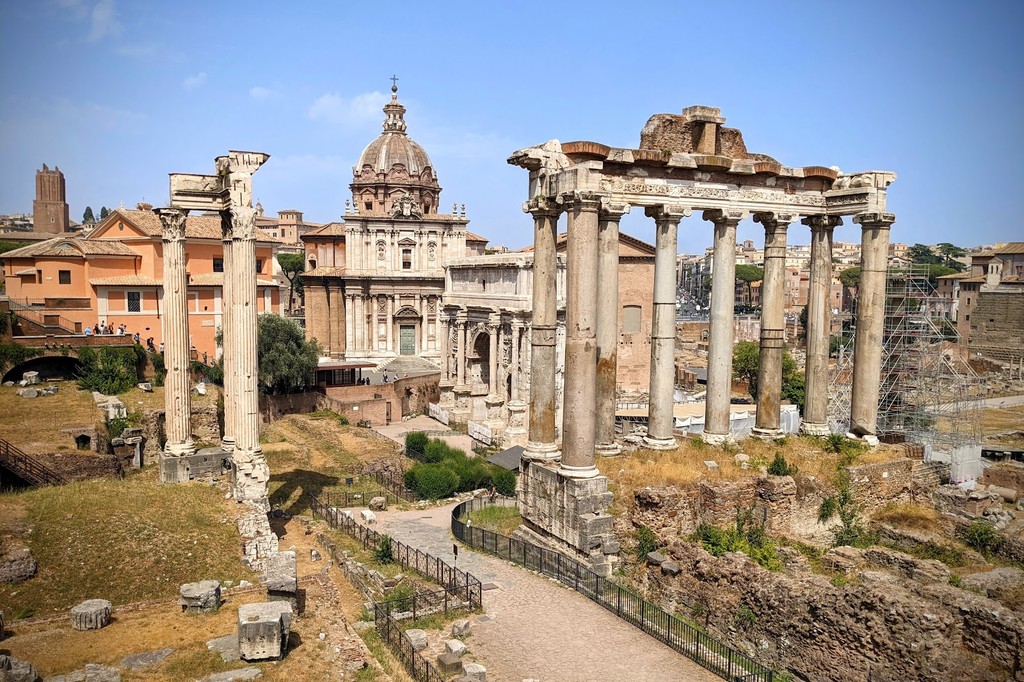
The heart of ancient Rome, the Forum was a hub for political, social, and religious activities, and is surrounded by ruins that tell stories of Roman gods and emperors.
Roman Forum (Source: Google Maps)
The Roman Forum, once the epicenter of public life in ancient Rome, is a sprawling complex of ruins that narrates the city's rich history. It served as a marketplace, political hub, and religious center, where citizens gathered to discuss important matters. The Forum is surrounded by significant structures, including temples dedicated to deities such as Saturn and Vesta, reflecting the deep intertwining of politics and religion in Roman society. The ruins evoke the grandeur of the past, with remnants of triumphal arches and basilicas that once honored victorious generals and celebrated the gods. As you wander through the Forum, you'll encounter stories of Roman gods, emperors, and the daily lives of ancient Romans, making it a vital stop for understanding the cultural significance of mythology in this historic city.
Arch of Constantine
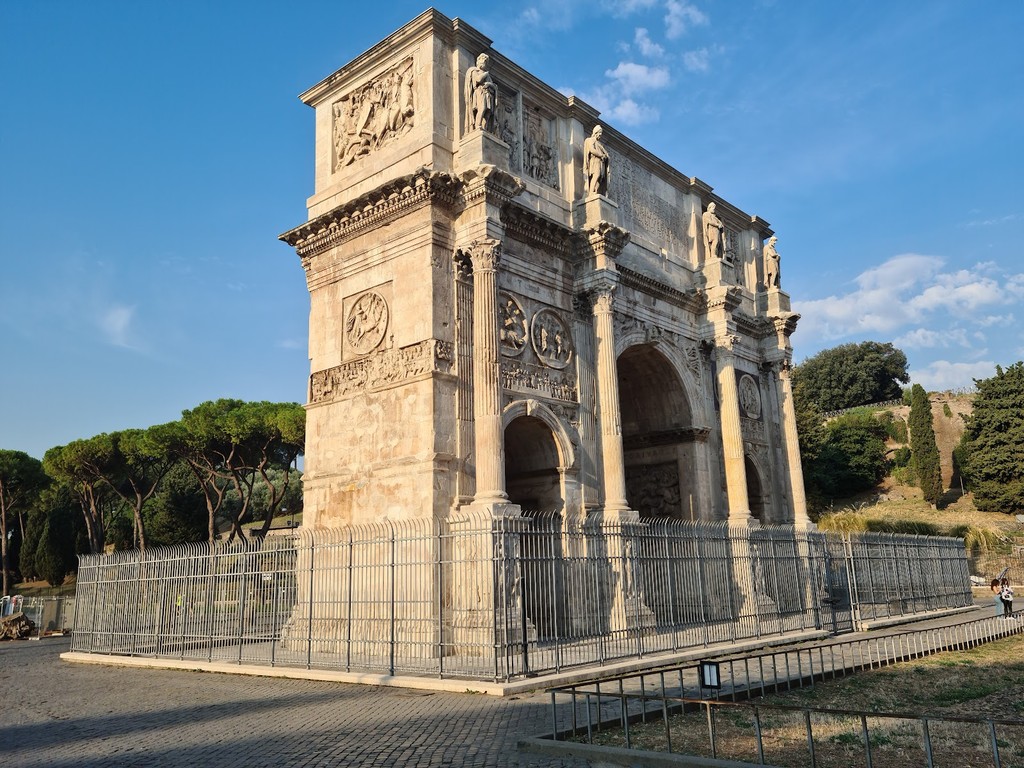
Standing between the Colosseum and Palatine Hill, this triumphal arch commemorates Constantine's victory and features reliefs that include mythological themes.
Arch of Constantine (Source: Google Maps)
The Arch of Constantine is a triumphal arch erected in 315 AD to commemorate Constantine's victory at the Battle of Milvian Bridge. It stands as a monumental symbol of Rome's transition from paganism to Christianity, featuring reliefs that depict mythological themes alongside Christian iconography. The arch is adorned with sculptures and inscriptions that celebrate Constantine's achievements and the favor of the gods. Its strategic location between the Colosseum and Palatine Hill highlights its importance as a gateway to the imperial city. The architectural style of the arch incorporates elements from earlier monuments, showcasing the continuity of Roman artistic traditions. As visitors admire this impressive structure, they can appreciate the blend of history, mythology, and the evolution of religious beliefs in ancient Rome.
Colosseum
An iconic symbol of Rome, this ancient amphitheater hosted gladiatorial games and mythological reenactments, offering insights into Roman entertainment and beliefs.
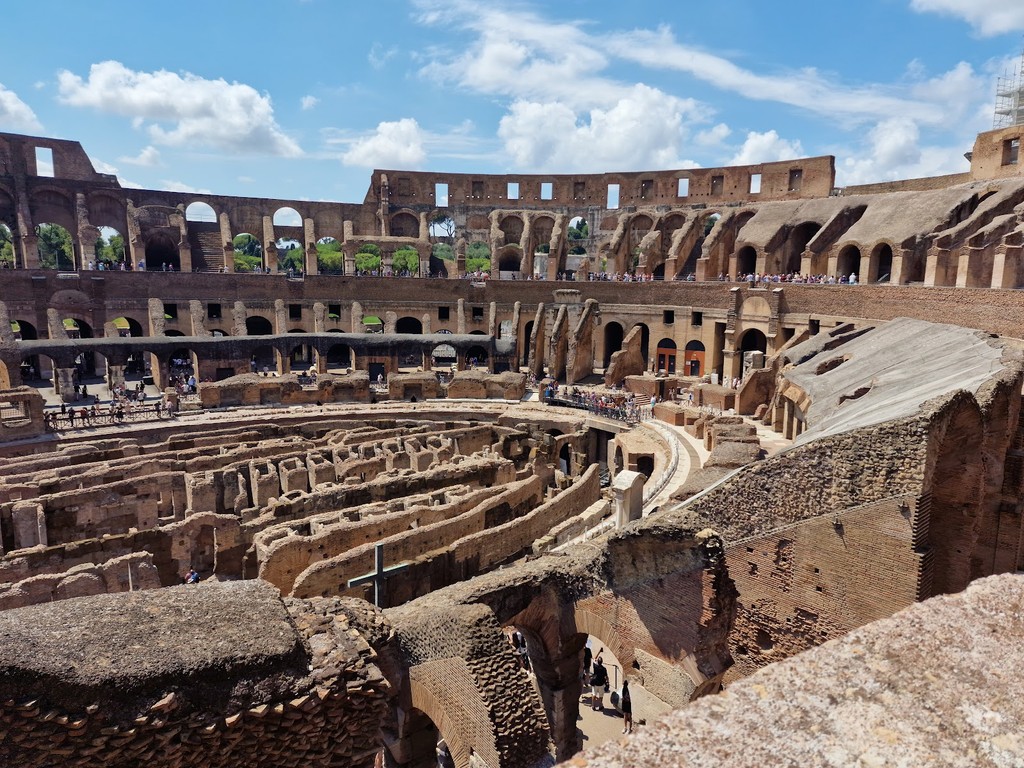
Colosseum (Source: Google Maps)
The Colosseum, an iconic symbol of Rome, is the largest ancient amphitheater ever built, capable of seating 50,000 spectators. Completed in AD 80, it hosted gladiatorial contests, public spectacles, and mythological reenactments that captivated audiences. The architecture of the Colosseum is a marvel, featuring a complex system of vaults and arches that exemplify Roman engineering prowess. It was a place where stories of gods and heroes came to life, as performances often included mythological themes that entertained and educated the populace. The Colosseum's enduring legacy is a testament to the significance of entertainment in Roman culture, reflecting the values and beliefs that shaped society. Today, it stands as a reminder of the grand narratives that once unfolded within its walls, drawing millions of visitors eager to connect with the rich tapestry of Roman mythology.
Basilica di San Clemente
This multi-layered church is fascinating for its underground Mithraeum, a temple dedicated to the god Mithras, reflecting the blend of Roman mythology and early Christianity.
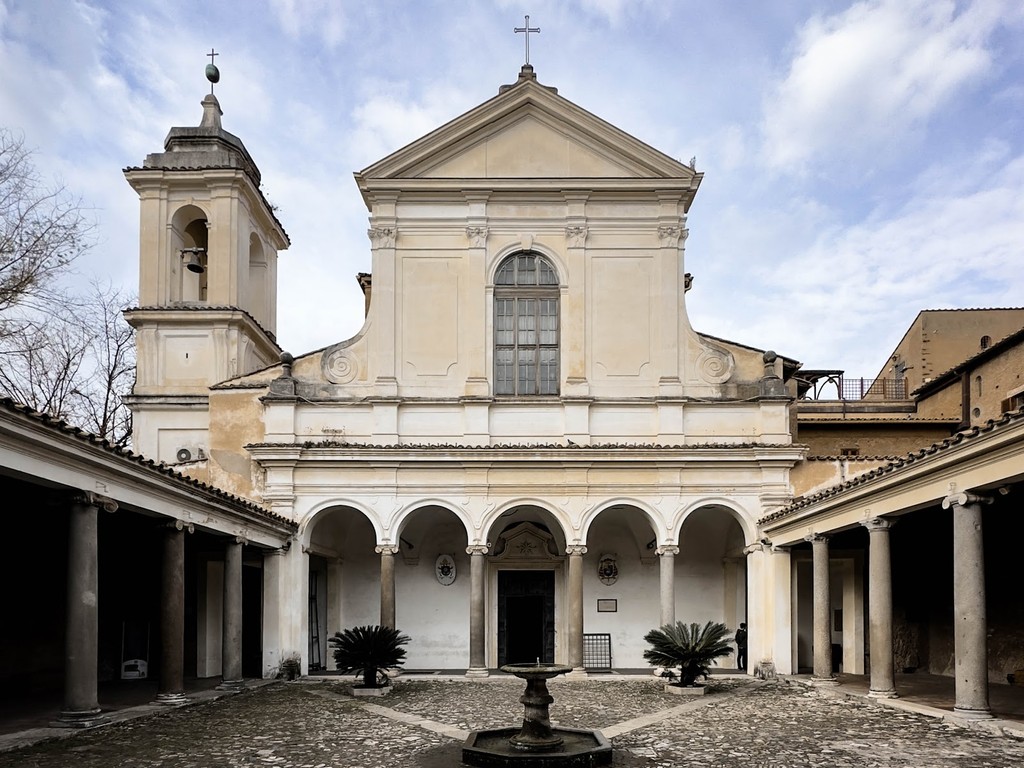
Basilica di San Clemente (Source: Google Maps)
The Basilica di San Clemente is a unique multi-layered church that showcases the evolution of Roman religious practices. Its underground Mithraeum, dedicated to the god Mithras, reflects the blend of Roman mythology and early Christianity. The church's structure consists of three distinct levels, with the current basilica built in the 12th century over an earlier Christian church, which in turn was constructed over a Roman house. This layering provides insight into the religious transitions that occurred in Rome. Visitors can explore the beautifully decorated interior, which features stunning mosaics and frescoes that narrate biblical stories alongside mythological themes. The Basilica di San Clemente serves as a significant site for understanding the interplay between ancient beliefs and the rise of Christianity, making it an essential stop for those interested in Rome's spiritual heritage.
Pantheon
Once a temple dedicated to all Roman gods, the Pantheon is an architectural marvel that continues to inspire awe with its dome and oculus.
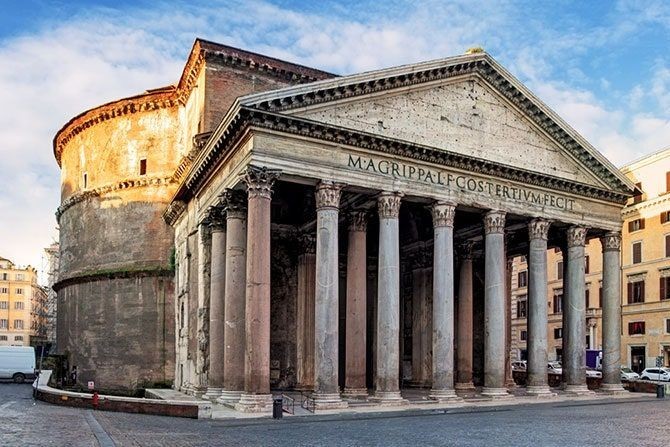
Pantheon (Source: Google Maps)
The Pantheon, originally built as a temple to all Roman gods, is an architectural masterpiece that continues to inspire awe. Completed by Emperor Hadrian in AD 126, its remarkable dome remains one of the largest unreinforced concrete domes in the world. The oculus at the dome's center symbolizes the connection between the divine and the earthly realm, allowing natural light to illuminate the interior. The Pantheon's design reflects the grandeur of Roman engineering and artistry, with its portico of massive Corinthian columns leading to a rotunda that houses tombs of notable figures, including the painter Raphael. As a testament to the enduring influence of Roman mythology, the Pantheon serves as a reminder of the reverence ancient Romans held for their deities, making it a must-visit landmark for anyone exploring the city's rich cultural history.
Antica Salumeria
Located near Piazza Navona, this traditional establishment offers a taste of Roman culinary delights, perfect for a quick break to enjoy local cheeses and cured meats.
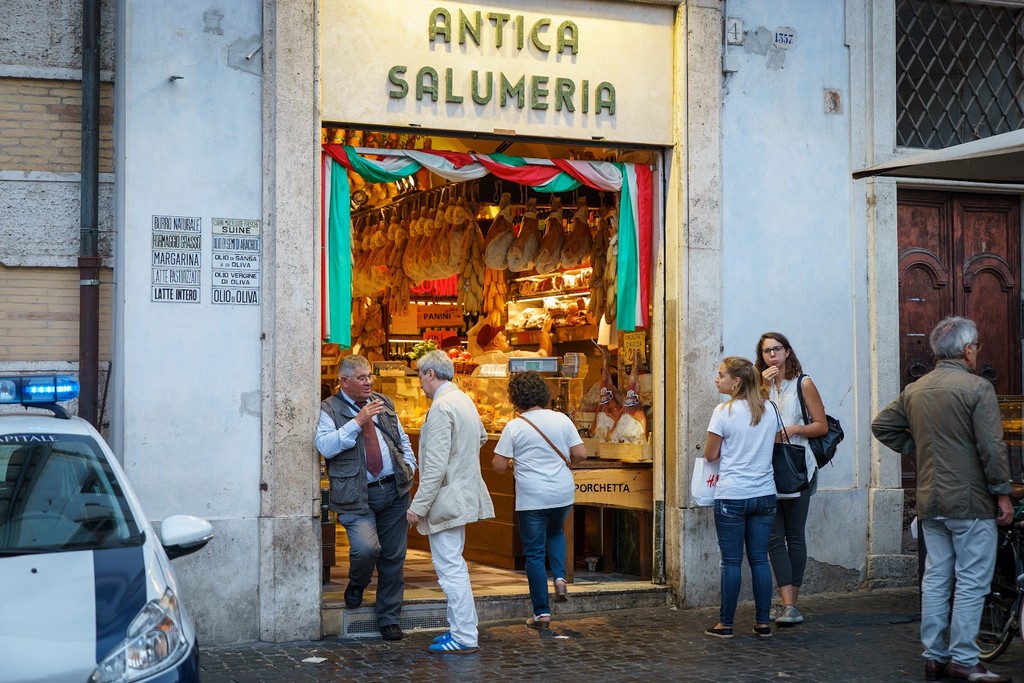
Antica Salumeria (Source: Google Maps)
Your travels, your rules.
Create your own Free Walking Tours.
Set your preferences, distances and anything you want to do or see.
Completely free, no payment required.