
 Tokyo
Harajuku Highlights: Culture and Landmarks Unveiled
Join us for a free walking tour through Tokyo's vibrant streets, where history meets modernity, and culture thrives at every turn.
Time
3 Hours
Stops
9 Places
Distance
4.5 km
Meiji Shrine (Meiji Jingu)
Begin your Tokyo adventure at the serene Meiji Shrine, a Shinto shrine dedicated to Emperor Meiji and Empress Shoken, offering a peaceful retreat amidst the bustling city.
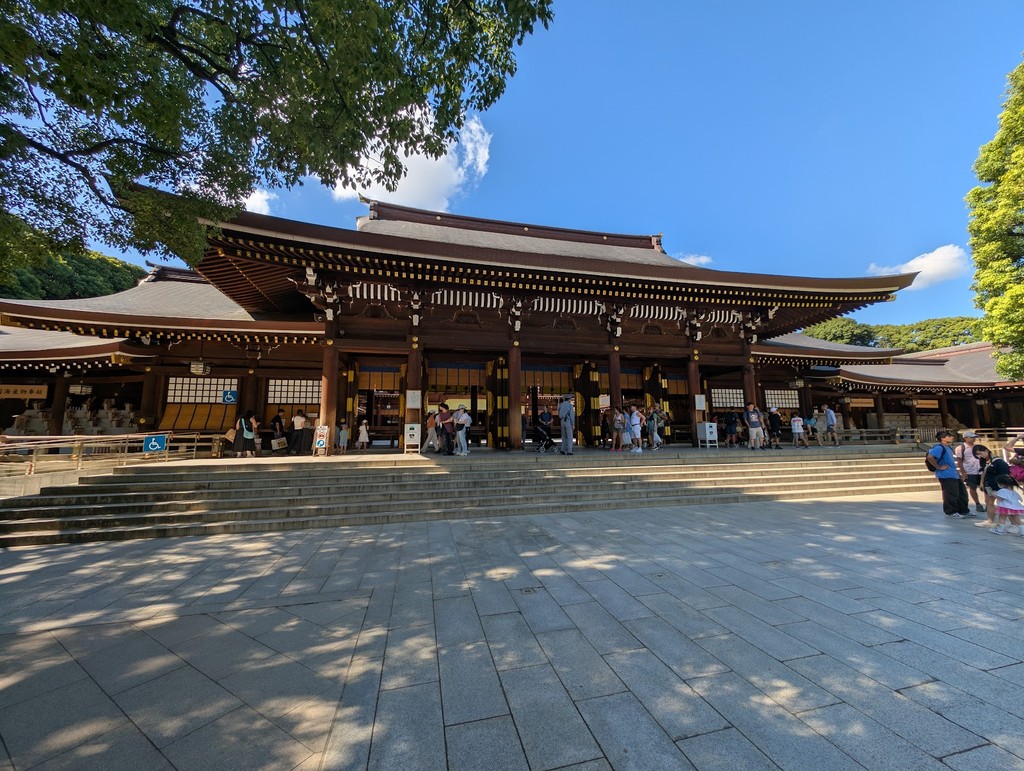
Meiji Shrine (Meiji Jingu) (Source: Google Maps)
Meiji Shrine, or Meiji Jingu, is a Shinto shrine dedicated to Emperor Meiji and Empress Shoken. Completed in 1920, it is renowned for its tranquil forested grounds that provide a peaceful retreat from the bustling city. The shrine's architecture reflects the traditional Shinto style, featuring a majestic torii gate and a main hall constructed from cypress wood. It is a place of worship and cultural significance, where visitors come to pay respects, especially during the New Year. The serene atmosphere, combined with seasonal festivals and events, makes Meiji Shrine a vital part of Tokyo's cultural landscape.
Yoyogi Park
Just a short walk from Meiji Shrine, Yoyogi Park is a vibrant public space perfect for a leisurely stroll and people-watching, especially on weekends when locals gather for various activities.

Yoyogi Park (Source: Google Maps)
Yoyogi Park is one of Tokyo's largest public parks, located adjacent to the Meiji Shrine. Originally the site of the 1964 Tokyo Olympics, it covers over 54 hectares and is a popular spot for locals and tourists alike. The park features expansive lawns, forested areas, and walking paths, making it ideal for leisurely strolls, picnics, and outdoor activities. On weekends, the park buzzes with life as people gather for various events, from music performances to yoga classes. Its vibrant atmosphere and proximity to the bustling Harajuku district make it a beloved green space in the heart of the city.
Takeshita Street
Dive into the heart of Harajuku culture by exploring Takeshita Street, famous for its trendy shops, quirky fashion, and youthful atmosphere.

Takeshita Street (Source: Google Maps)
Takeshita Street is a famous shopping street in Harajuku, known for its vibrant youth culture and eclectic fashion scene. Lined with trendy boutiques, vintage shops, and unique cafes, it attracts fashion enthusiasts and curious visitors from around the world. The street became a hub for youth subcultures in the 1980s, and its lively atmosphere is amplified by colorful street art and performers. Visitors can explore a myriad of styles, from kawaii (cute) fashion to punk and gothic attire. Takeshita Street is not just a shopping destination; it embodies the spirit of Harajuku, where creativity and individuality thrive.
Harajuku Gyoza Lou
Take a break and savor delicious gyozas at Harajuku Gyoza Lou, a popular spot known for its simple yet flavorful dumplings.
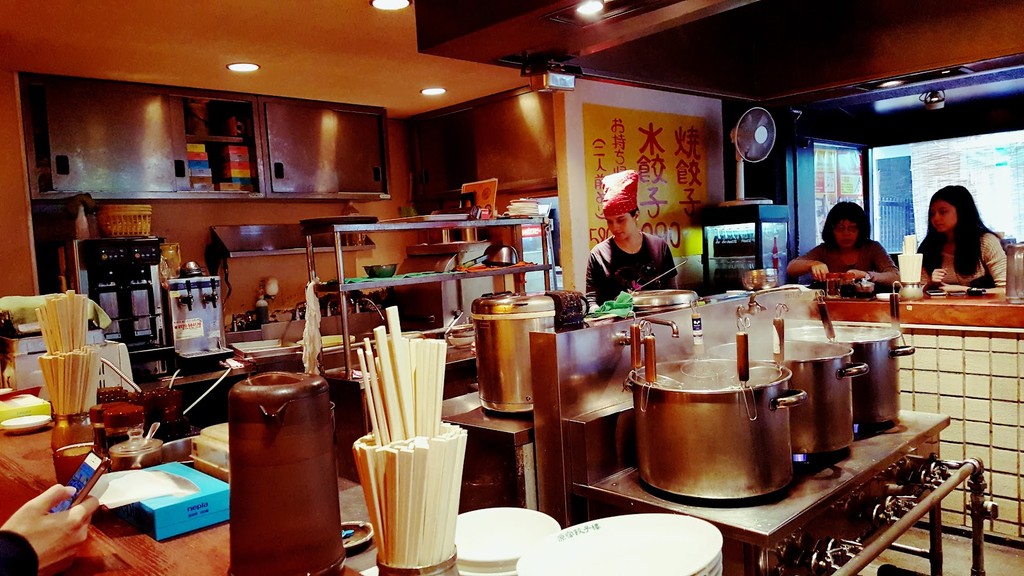
Harajuku Gyoza Lou (Source: Google Maps)
Omotesando
Walk down Omotesando, known as Tokyo's Champs-Élysées, where modern architecture and high-end fashion boutiques line the avenue.
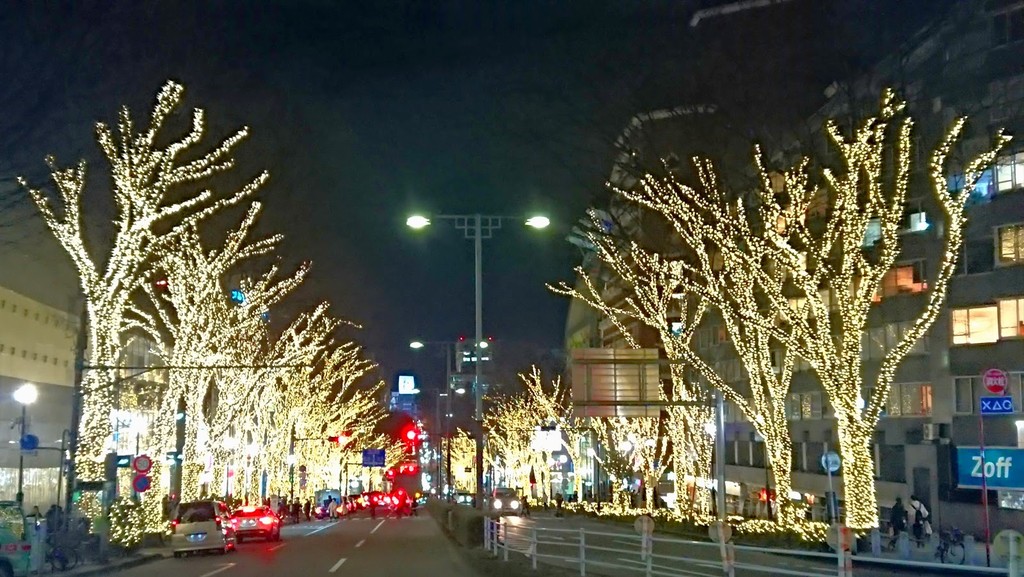
Omotesando (Source: Google Maps)
Omotesando is often referred to as Tokyo's Champs-Élysées, celebrated for its upscale shopping and stunning architecture. This tree-lined avenue features a blend of international luxury brands, trendy boutiques, and stylish cafes, making it a premier destination for fashion lovers. The architecture along Omotesando is noteworthy, showcasing innovative designs by renowned architects such as Tadao Ando and Zaha Hadid. The avenue serves as a cultural hub, where art installations and seasonal events enliven the atmosphere. Omotesando's unique blend of modernity and tradition reflects the dynamic essence of Tokyo.
Nezu Museum
Discover the Nezu Museum, housing a stunning collection of pre-modern Japanese and East Asian art, set in a beautifully landscaped garden.
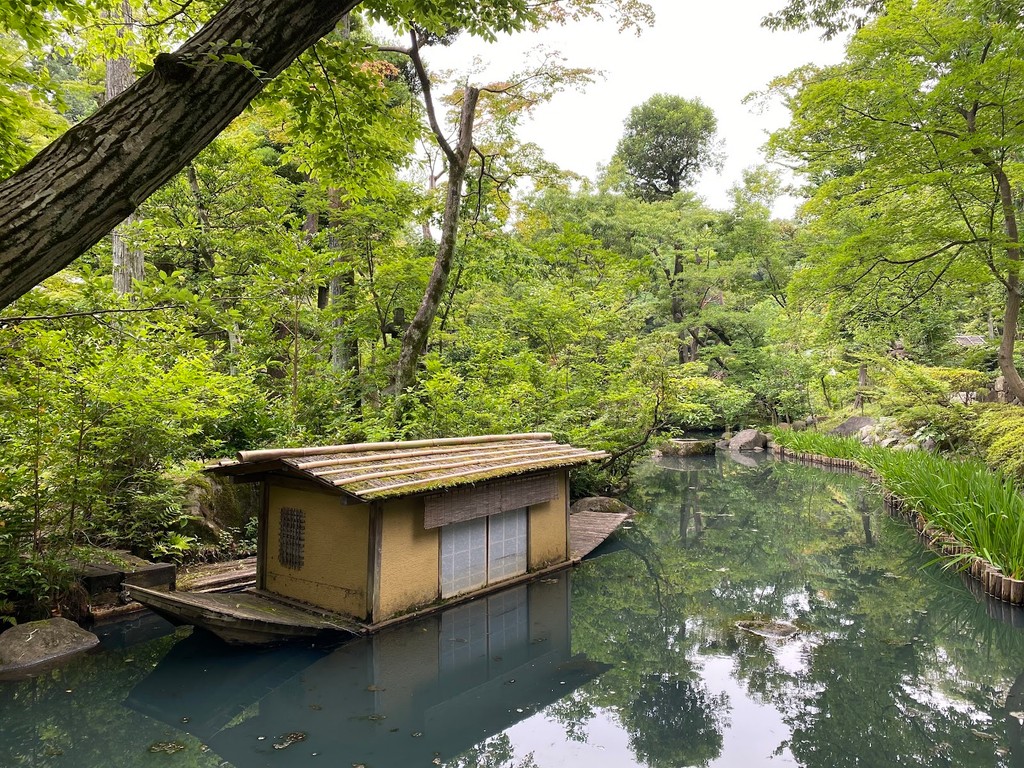
Nezu Museum (Source: Google Maps)
The Nezu Museum is a hidden gem in the heart of Tokyo, renowned for its exquisite collection of pre-modern Japanese and East Asian art. The museum is set within a beautifully landscaped garden that enhances the experience of art appreciation. Opened in 2009, the museum's architecture harmoniously blends traditional and contemporary design, creating a serene environment for visitors. The collection includes ancient ceramics, textiles, and calligraphy, showcasing the rich artistic heritage of Japan. The garden itself features ponds, stone lanterns, and seasonal flora, offering a tranquil escape from the city's hustle and bustle.
Hachiko Statue
Just outside Shibuya Station, pay homage to the loyal dog Hachiko, whose statue stands as a symbol of enduring loyalty.

Hachiko Statue (Source: Google Maps)
The Hachiko Statue, located just outside Shibuya Station, commemorates the loyal Akita dog Hachiko, who is remembered for his unwavering devotion to his owner, Hidesaburo Ueno. After Ueno's death in 1925, Hachiko continued to wait for him at the station every day for nearly ten years, capturing the hearts of many. The statue was unveiled in 1934 and has since become a symbol of loyalty and fidelity in Japanese culture. Visitors often gather to take photos with the statue, and it serves as a popular meeting point in the bustling Shibuya district. Hachiko's story has been immortalized in films and literature, further solidifying his place in Tokyo's cultural narrative.
Shibuya Crossing
Experience the iconic Shibuya Crossing, one of the busiest pedestrian intersections in the world, embodying the energetic pulse of Tokyo.

Shibuya Crossing (Source: Google Maps)
Shibuya Crossing is one of the most iconic pedestrian intersections in the world, symbolizing the vibrant energy of Tokyo. Located in front of Shibuya Station, the crossing is known for its organized chaos, with hundreds of pedestrians crossing from multiple directions at once. The intersection is surrounded by towering skyscrapers, neon lights, and bustling shops, creating a mesmerizing urban landscape. Shibuya Crossing has become a popular spot for tourists and photographers, who come to capture the essence of Tokyo's fast-paced lifestyle. It is also featured in numerous films and media, making it a cultural landmark in its own right.
Nonbei Yokocho
Conclude your walking tour with a visit to Nonbei Yokocho, a charming alleyway filled with tiny bars and eateries, offering a glimpse into Tokyo's nostalgic past.

Nonbei Yokocho (Source: Google Maps)
Nonbei Yokocho, or 'Drunkard's Alley,' is a charming narrow alleyway located near Shibuya Station, known for its nostalgic atmosphere and small, intimate bars. Established in the post-war era, this hidden gem offers a glimpse into Tokyo's past, where locals gather to enjoy drinks and traditional Japanese snacks. The alley is lined with tiny establishments, each with its own unique character and charm. Visitors can experience the warmth of Japanese hospitality while sampling local sake and izakaya-style dishes. Nonbei Yokocho captures the essence of Tokyo's nightlife, providing a cozy and authentic experience away from the city's modern hustle.
Your travels, your rules.
Create your own Free Walking Tours.
Set your preferences, distances and anything you want to do or see.
Completely free, no payment required.