
 Chicago
Chicago's Urban Art and Architecture Adventure
Explore the vibrant heart of Chicago on this engaging free walking tour, where art, history, and stunning architecture converge in a beautiful urban landscape.
Time
3 Hours
Stops
9 Places
Distance
2.0 km
Millennium Park
This iconic park is home to the famous Cloud Gate sculpture, commonly known as "The Bean," and serves as a vibrant gathering place showcasing public art and architecture.
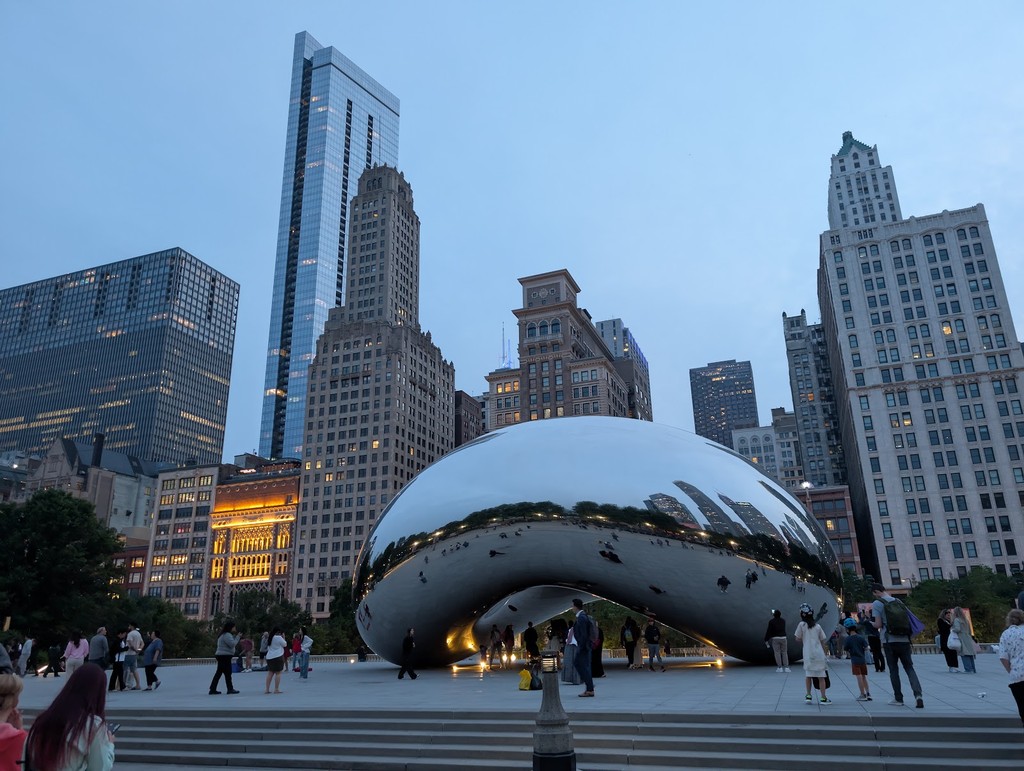
Millennium Park (Source: Google Maps)
Millennium Park, opened in 2004, is a stunning urban park located in the Loop community area of Chicago. It features the iconic Cloud Gate sculpture, affectionately known as 'The Bean,' designed by artist Anish Kapoor. The park is a hub for public art, featuring installations such as the Crown Fountain and Jay Pritzker Pavilion, which hosts concerts and events. The design of the park integrates natural landscapes with architectural masterpieces, making it a popular gathering place for locals and tourists alike. The park also plays host to various seasonal events, including outdoor movies and ice skating, adding to its appeal as a vibrant cultural space.
Art Institute of Chicago
Just a short walk from Millennium Park, this world-renowned museum houses an extensive collection of art from various periods and genres, including the iconic "American Gothic."
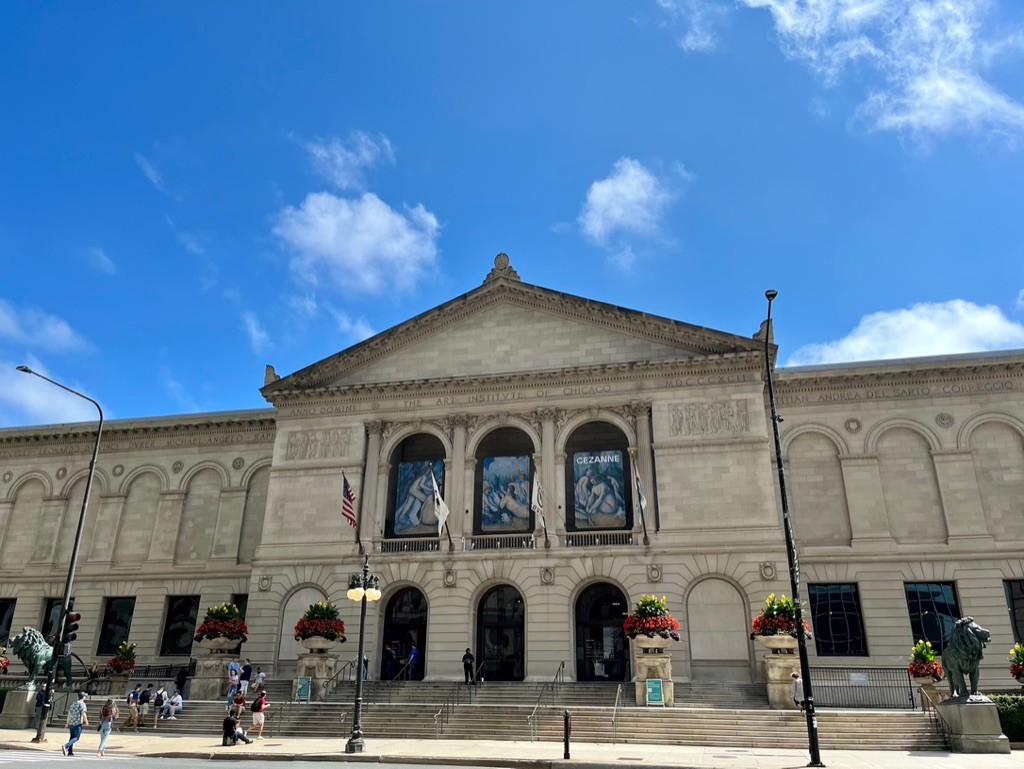
Art Institute of Chicago (Source: Google Maps)
The Art Institute of Chicago, founded in 1879, is one of the oldest and largest art museums in the United States. It houses an extensive collection of over 300,000 artworks, spanning various genres and periods, from ancient artifacts to contemporary pieces. The museum is particularly famous for its Impressionist and Post-Impressionist paintings, including Grant Wood's 'American Gothic' and works by Monet, Van Gogh, and Picasso. Its iconic Modern Wing, designed by architect Renzo Piano, opened in 2009 and showcases modern and contemporary art. The museum also offers educational programs, exhibitions, and events, making it a cornerstone of Chicago's cultural landscape.
Crown Fountain
Located in Millennium Park, this interactive public art piece features two 50-foot glass towers that display digital videos of Chicagoans, making it a perfect spot for photography.
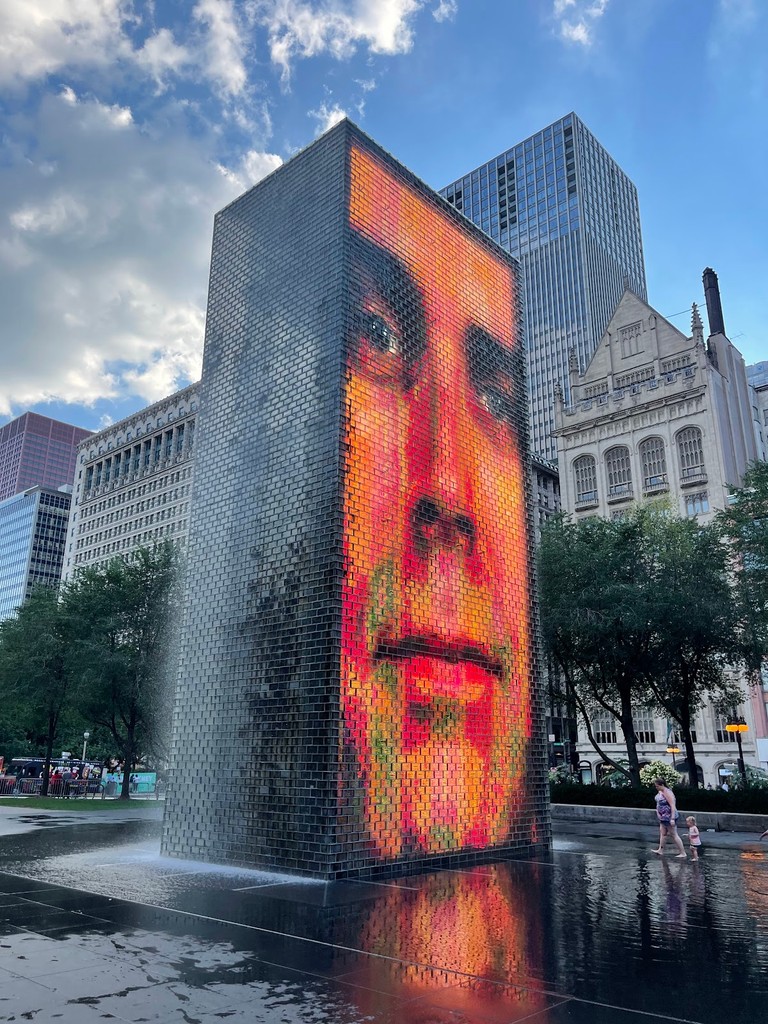
Crown Fountain (Source: Google Maps)
Crown Fountain is a unique interactive public art installation located in Millennium Park, designed by artist Jaume Plensa. Opened in 2004, it features two 50-foot glass towers that project digital videos of Chicago residents' faces, which can be seen splashing water from their mouths into a shallow reflecting pool below. The fountain serves as a playful and engaging public space, especially popular among children during the summer months. The installation invites visitors to connect with the local community and reflects the diversity of Chicago's inhabitants. It is a prime example of how contemporary art can blend with urban life, creating spaces for interaction and enjoyment.
The Chicago Theatre
A historic theater known for its iconic marquee, offering a glimpse into the city's vibrant performing arts scene.
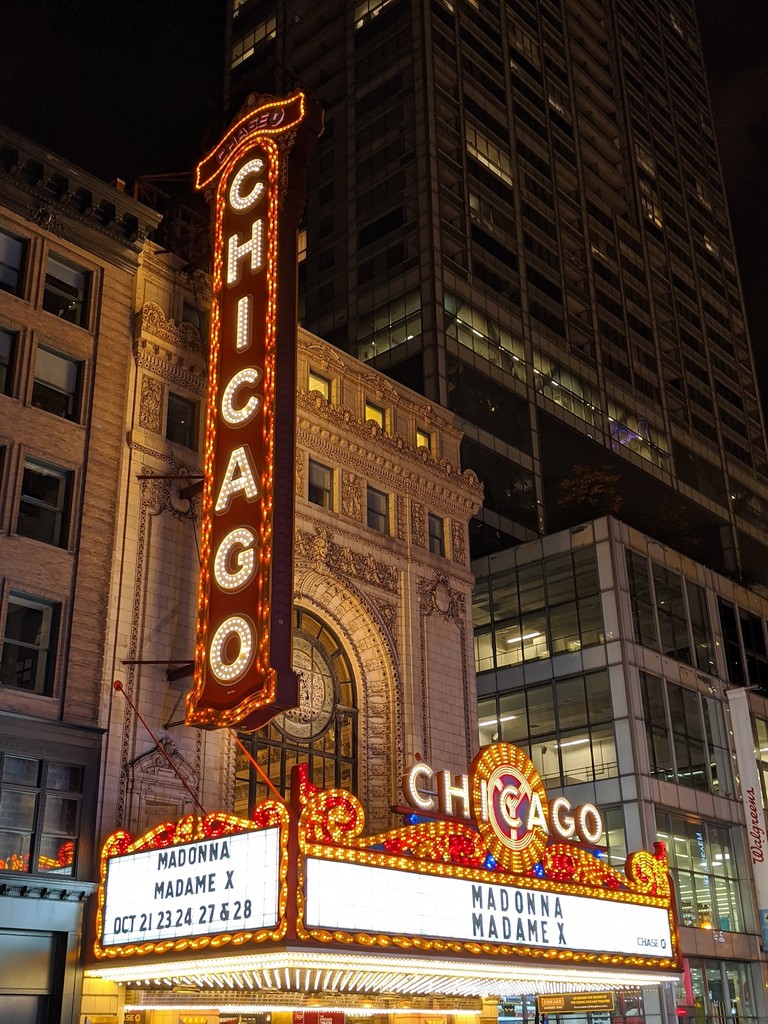
The Chicago Theatre (Source: Google Maps)
The Chicago Theatre, an iconic landmark of the city, opened in 1921 and is renowned for its stunning architecture and ornate interior. Designed in the Beaux-Arts style, the theater features a grand marquee and a lavish lobby adorned with intricate plasterwork, chandeliers, and a grand staircase. It initially served as a movie palace and has since transformed into a premier venue for live performances, including concerts, comedy shows, and theatrical productions. The theater is a vital part of Chicago's cultural heritage and has hosted numerous legendary artists and events over the decades. Its historical significance and architectural beauty make it a must-see for visitors.
Chicago Riverwalk
This scenic walk along the Chicago River offers stunning views of the city's architecture and is a great spot to relax and enjoy the urban landscape.
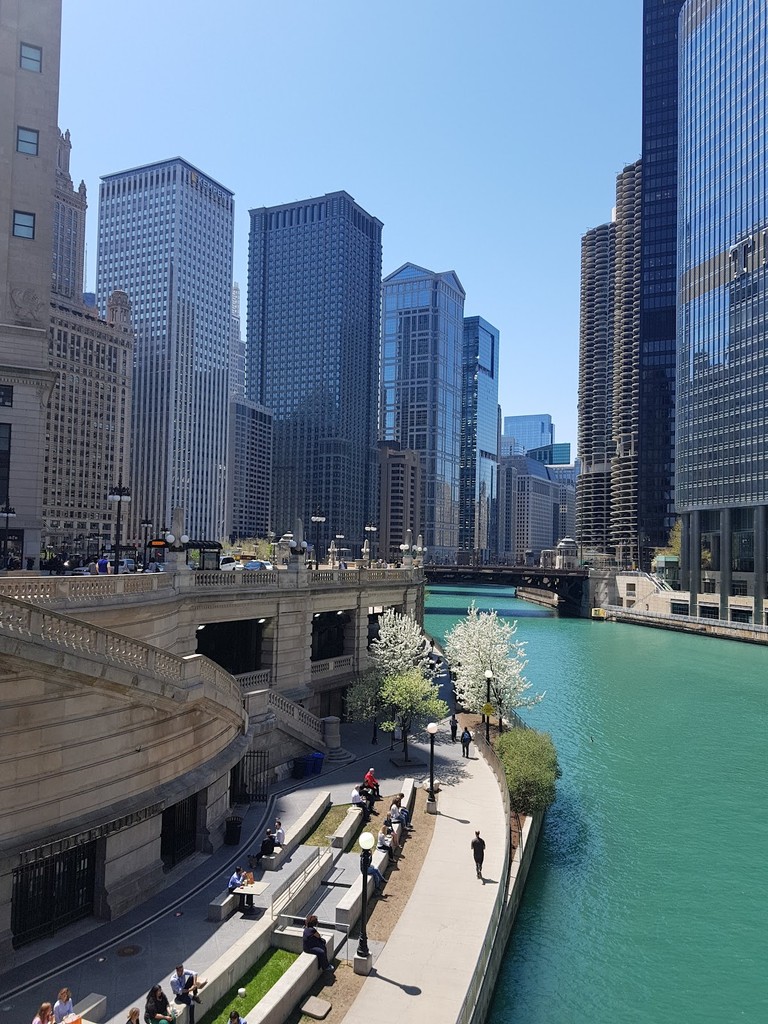
Chicago Riverwalk (Source: Google Maps)
The Chicago Riverwalk, a scenic promenade along the Chicago River, offers a unique perspective of the city's stunning architecture and vibrant urban life. Completed in phases, the Riverwalk has become a popular destination for locals and tourists, featuring dining options, recreational activities, and beautiful views of the surrounding skyscrapers. The design incorporates natural elements and public art, creating an inviting atmosphere for relaxation and exploration. The Riverwalk also serves as a vital part of Chicago's infrastructure, providing access to the river for boat tours and water taxis. Its development reflects the city's commitment to enhancing public spaces and promoting waterfront activities.
Wrigley Building
An architectural gem on the Magnificent Mile, known for its striking white facade and clock tower, symbolizing the city's commercial success.
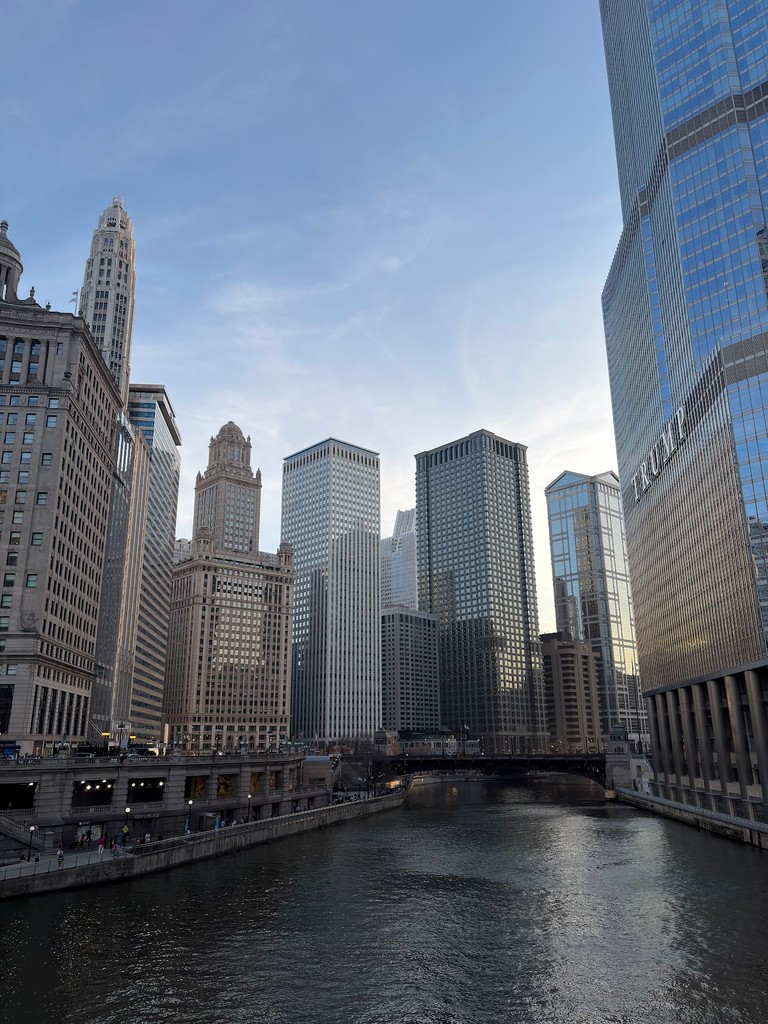
Wrigley Building (Source: Google Maps)
The Wrigley Building, completed in 1924, is an architectural gem located on the Magnificent Mile. Designed by architects Graham, Anderson, Probst & White, the building is known for its striking white terra cotta facade and distinctive clock tower, which has become a symbol of Chicago's commercial success. The structure features a blend of Renaissance and Gothic architectural styles, showcasing intricate details and decorative elements. Originally built as the headquarters for the Wrigley chewing gum company, the building now houses various offices and retail spaces. Its historical significance and iconic design make it a prominent feature of Chicago's skyline.
Tribune Tower
This neo-Gothic skyscraper, notable for its design and the incorporation of stones from famous landmarks around the world, is a testament to Chicago's architectural heritage.
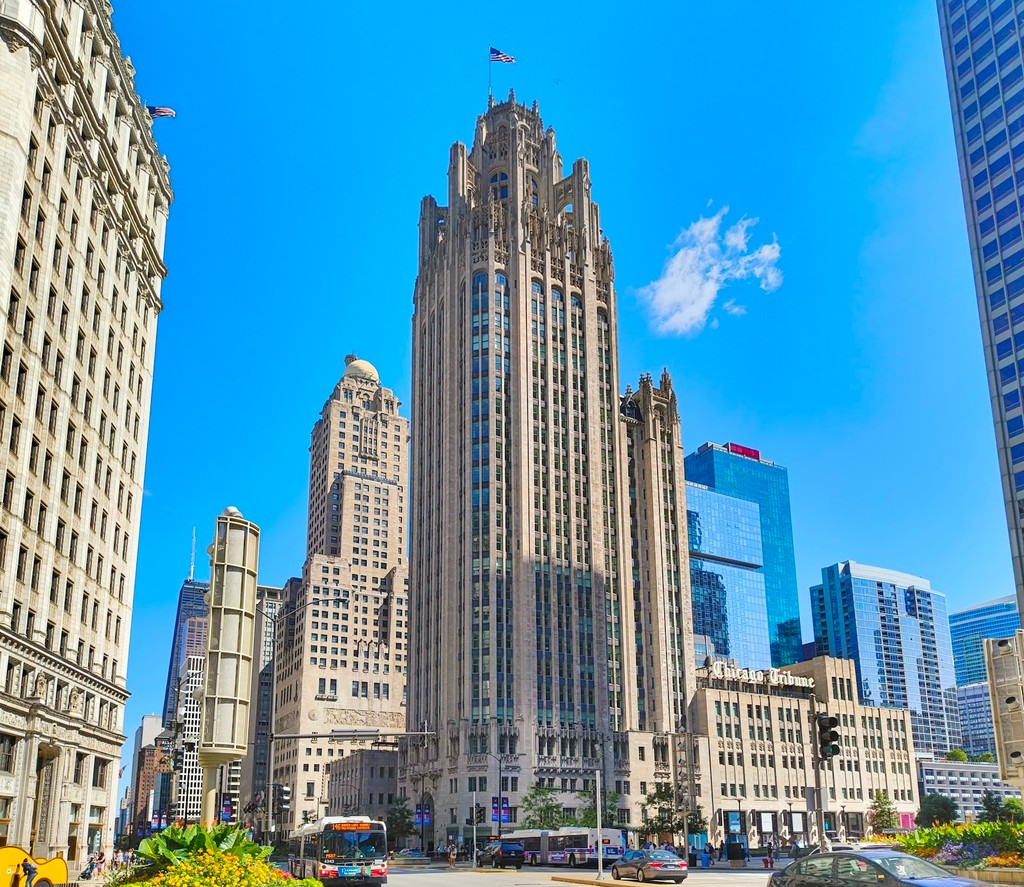
Tribune Tower (Source: Google Maps)
Tribune Tower, completed in 1925, is a neo-Gothic skyscraper that serves as the headquarters for the Chicago Tribune newspaper. The tower is notable for its distinctive design, featuring a blend of Gothic elements and modern materials, including limestone and terra cotta. One of its most unique features is the incorporation of stones from famous landmarks around the world, embedded in its facade, symbolizing the global reach of journalism. The tower stands as a testament to Chicago's architectural heritage and has been a significant part of the city's skyline for nearly a century. It is a key site for media history and continues to be a focal point in downtown Chicago.
Michigan Avenue Bridge
A historic bridge that offers panoramic views of the Chicago skyline and plays a key role in the city's history and infrastructure.
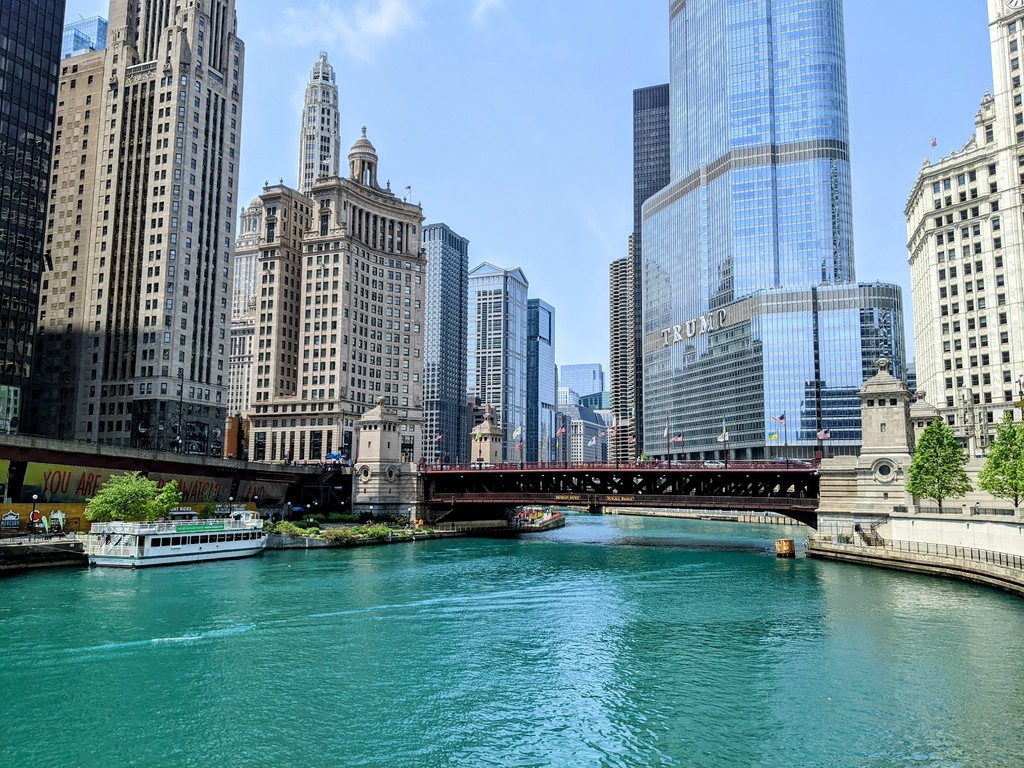
Michigan Avenue Bridge (Source: Google Maps)
The Michigan Avenue Bridge, completed in 1920, is a historic drawbridge that connects the Magnificent Mile with the Loop, playing a crucial role in Chicago's transportation network. The bridge features a unique bascule design, allowing it to lift and accommodate passing ships on the Chicago River. Its architectural style combines elements of Beaux-Arts and Art Deco, showcasing ornate details and impressive sculptures. The bridge offers panoramic views of the Chicago skyline and is a popular spot for photography. Throughout its history, the Michigan Avenue Bridge has been a vital infrastructure component and a symbol of the city's growth and development.
DuSable Bridge
Just a short distance from the Michigan Avenue Bridge, this bridge is named after Chicago's first non-indigenous settler and provides a picturesque view of the Chicago River.
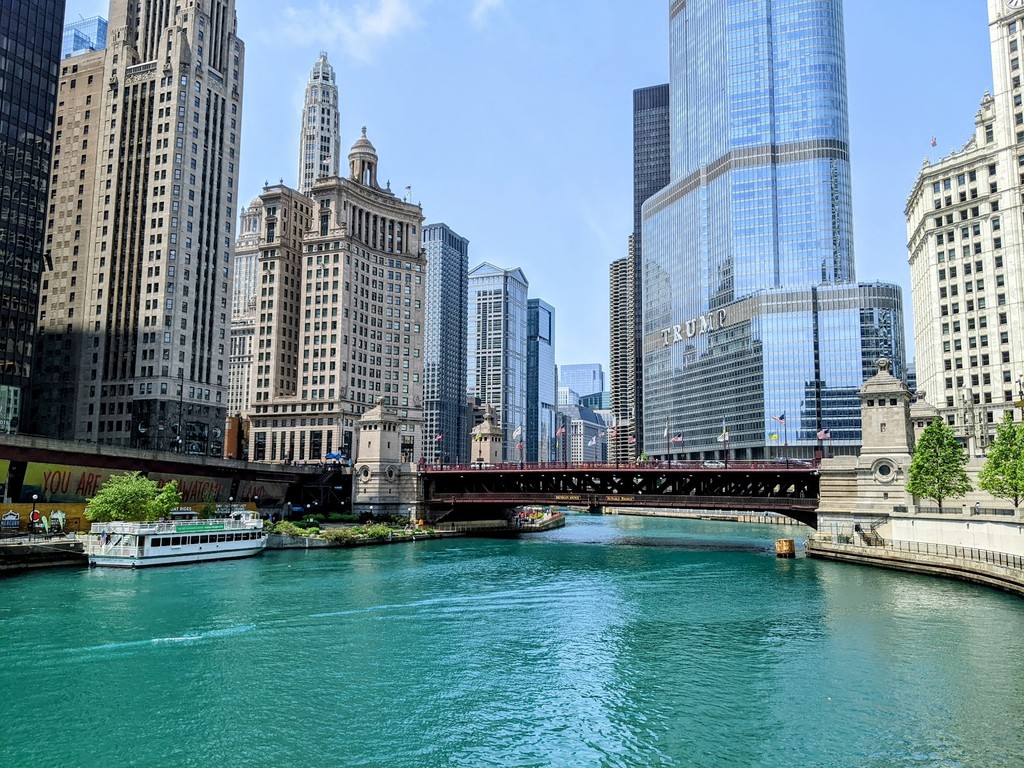
DuSable Bridge (Source: Google Maps)
DuSable Bridge, named after Jean Baptiste Point du Sable, the first non-indigenous settler of Chicago, is an important historic landmark that spans the Chicago River. Completed in 1920, the bridge serves as a key connection between the north and south sides of the city. Its design features Art Deco elements, including decorative stonework and elegant lighting. The bridge provides stunning views of the river and the surrounding architecture, making it a popular spot for both locals and visitors. As a tribute to Chicago's founding history, the DuSable Bridge represents the city's multicultural heritage and its evolution over the years.
Your travels, your rules.
Create your own Free Walking Tours.
Set your preferences, distances and anything you want to do or see.
Completely free, no payment required.