
 Chicago
Chicago's Riverwalk: A Journey Through Time
Explore the vibrant Chicago Riverwalk in this engaging walking tour, blending history, culture, and stunning architecture. Join us for a free walking tour!
Time
3 Hours
Stops
14 Places
Distance
6.6 km
Sheraton Grand Chicago Riverwalk
Start your journey at the Sheraton Grand Chicago, located right on the Chicago Riverwalk, offering a perfect vantage point to admire the bustling river life.
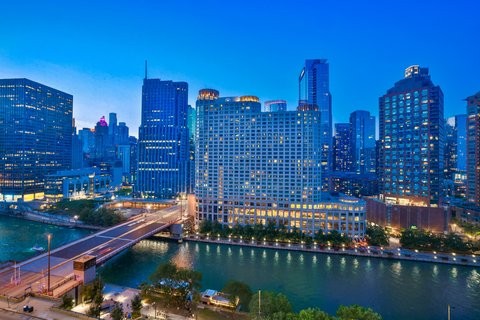
Sheraton Grand Chicago Riverwalk (Source: Google Maps)
The Sheraton Grand Chicago Riverwalk stands as a prominent landmark along the Chicago River, offering stunning views and a glimpse into the city’s architectural evolution. Opened in 2017, it serves as a hub for visitors and locals alike, showcasing the beauty of the riverfront. With its modern design and luxurious amenities, the hotel reflects the blend of contemporary style and historic significance characteristic of Chicago. Its location makes it an ideal starting point for exploring the Riverwalk, where the vibrant life of the city unfolds before your eyes. The hotel has been pivotal in the revitalization of the area, contributing to the rich tapestry of experiences available along the river.
Chicago Riverwalk
Stroll along the Chicago Riverwalk, a scenic pedestrian path that offers stunning views of the city’s iconic architecture and vibrant atmosphere.
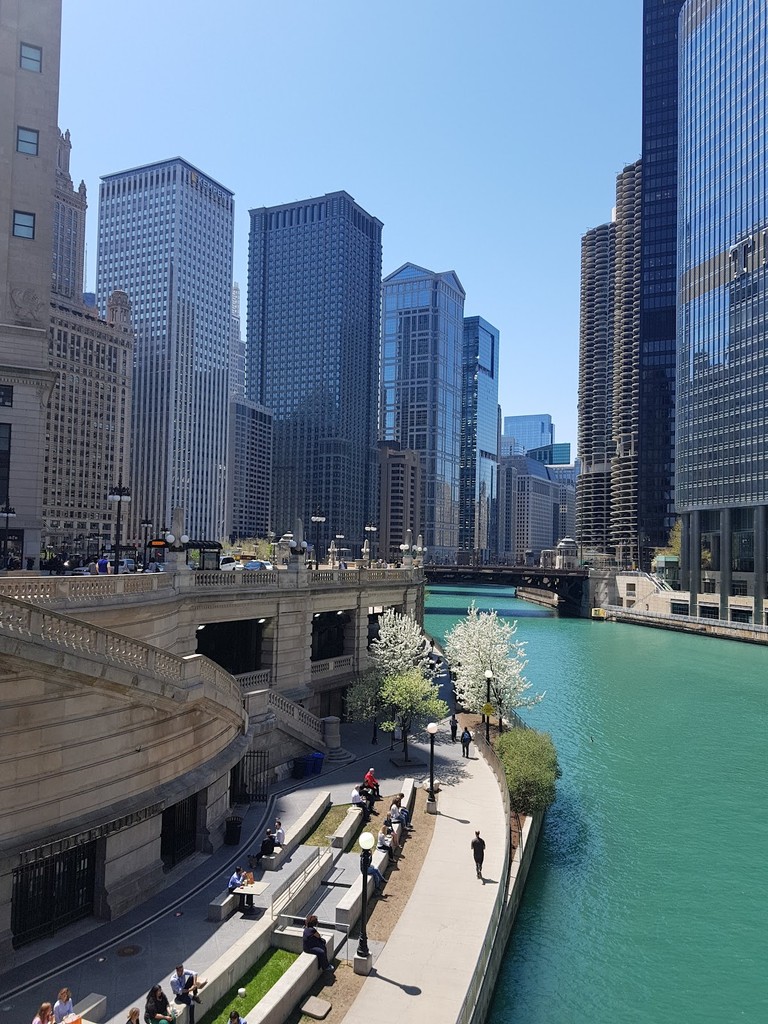
Chicago Riverwalk (Source: Google Maps)
The Chicago Riverwalk is a dynamic waterfront pathway that stretches along the Chicago River, offering a unique perspective of the city’s architectural wonders. Opened in phases since 2001, the Riverwalk features a blend of recreational spaces, dining options, and public art installations. Visitors can enjoy stunning views of iconic skyscrapers and historic bridges while strolling along this scenic route. The Riverwalk is not only a hub for leisurely walks but also a vibrant gathering place for events and activities throughout the year. Its design encourages interaction with the river, allowing visitors to appreciate the natural beauty and the urban environment in harmony. This revitalized public space has become a symbol of Chicago’s commitment to enhancing public access to its waterways.
The McCormick Bridgehouse & Chicago River Museum
Dive into the history of Chicago's iconic movable bridges at this quaint museum located in a historic bridgehouse.
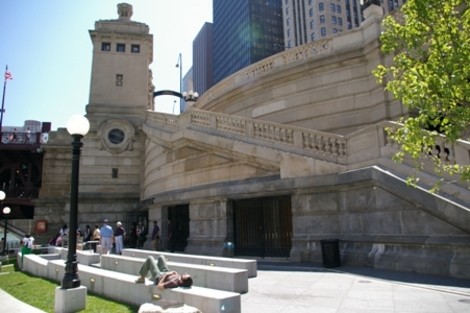
The McCormick Bridgehouse & Chicago River Museum (Source: Google Maps)
The McCormick Bridgehouse & Chicago River Museum is a unique museum located within a historic bridgehouse that once operated the Michigan Avenue Bridge. This museum provides visitors with an engaging look at the history of Chicago's movable bridges and the role they played in the city's development. The museum features interactive exhibits that explain the engineering and mechanics behind the bridges, as well as the historical significance of the Chicago River. The bridgehouse itself is a remarkable piece of architecture, showcasing the city’s industrial past. Visitors can explore the museum while also enjoying stunning views of the river and the surrounding cityscape. The McCormick Bridgehouse serves as a reminder of Chicago's ingenuity and its continuous evolution as a major urban center.
The Chicago Theatre
Admire the beautiful marquee of the Chicago Theatre, a symbol of the city's rich cultural scene and a must-see for any visitor.
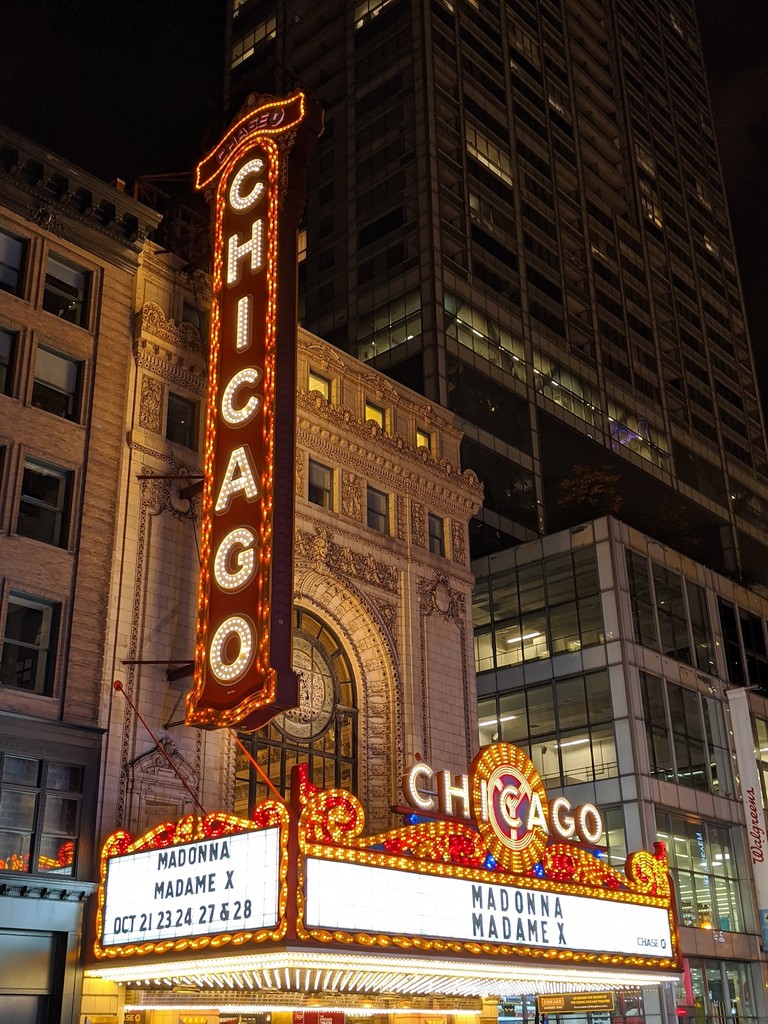
The Chicago Theatre (Source: Google Maps)
The Chicago Theatre, an iconic venue in the heart of the city, first opened its doors in 1921 and has since become a symbol of Chicago’s rich cultural heritage. Known for its stunning architecture, the theatre features a magnificent marquee that draws visitors from all over. The design, a mix of French Baroque and Italian Renaissance styles, showcases intricate details and opulent interiors. The theatre has hosted countless performances, from Broadway shows to concerts and film screenings, solidifying its status as a cultural landmark. It was designated a Chicago Landmark in 1985, ensuring its preservation for future generations. The Chicago Theatre not only represents the city’s vibrant arts scene but also serves as a historical monument that reflects the grandeur of early 20th-century entertainment.
Cindy's Rooftop
Take a break and enjoy a drink with a panoramic view of Millennium Park and the lakefront at Cindy's Rooftop.

Cindy's Rooftop (Source: Google Maps)
Chicago Cultural Center
Visit the Chicago Cultural Center, a stunning building known for its beautiful Tiffany glass dome and free art exhibits.
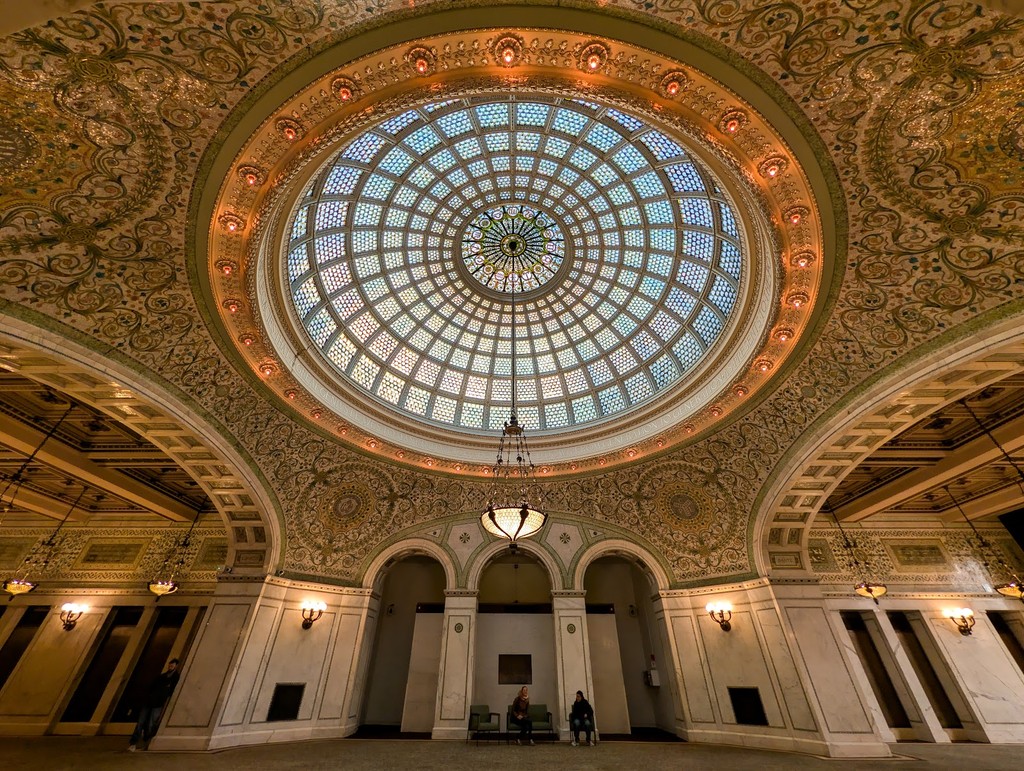
Chicago Cultural Center (Source: Google Maps)
The Chicago Cultural Center, originally the city’s central library, is a stunning example of Beaux-Arts architecture and a cultural hub for the city. Opened in 1897, it boasts the largest Tiffany stained-glass dome in the world, which is a breathtaking feature admired by visitors. The center offers a wide range of free art exhibits, performances, and cultural events, making it a vibrant space for community engagement. Its grand interiors, adorned with intricate mosaics and elegant marble, provide a glimpse into the city’s artistic heritage. The Chicago Cultural Center plays a vital role in promoting local artists and art initiatives, serving as a gathering place for creative expression and cultural exchange. Its commitment to accessibility and inclusivity makes it a cornerstone of Chicago’s cultural landscape.
Pritzker Pavilion
Marvel at the architectural wonder of the Pritzker Pavilion, a state-of-the-art outdoor concert venue designed by Frank Gehry.
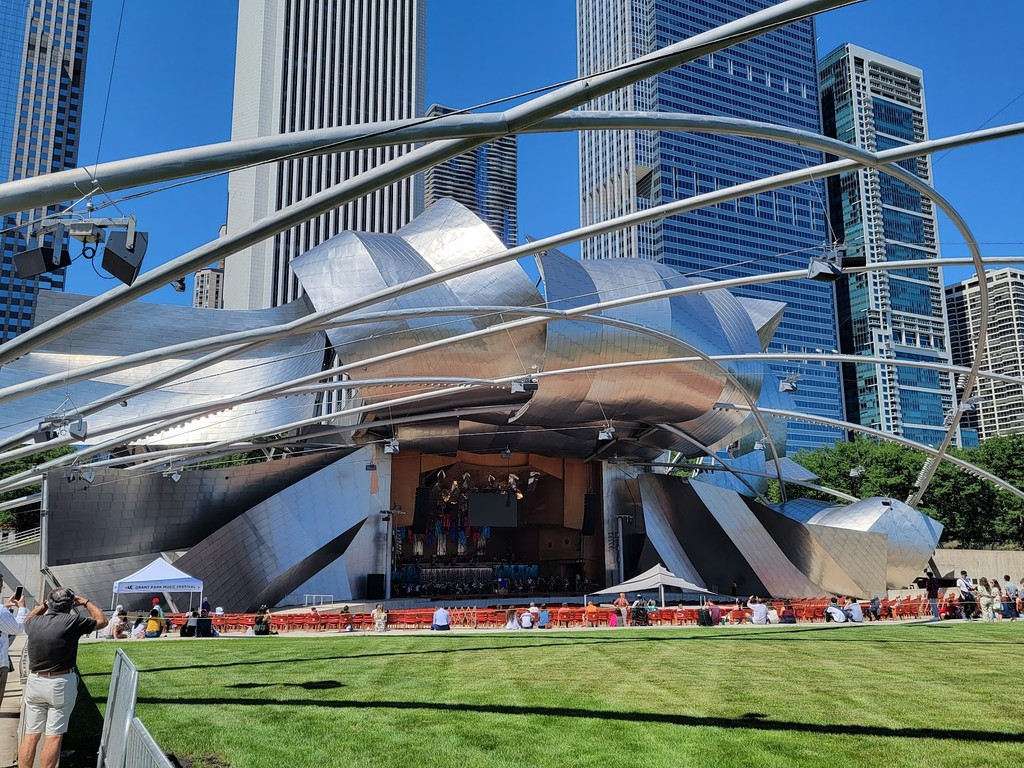
Pritzker Pavilion (Source: Google Maps)
The Pritzker Pavilion, designed by renowned architect Frank Gehry, is a stunning outdoor concert venue located in Millennium Park. Opened in 2004, it features a distinctive stainless-steel structure that harmonizes with the surrounding landscape, creating a striking visual impact. The pavilion is known for its exceptional acoustics and hosts a variety of performances, including concerts and festivals, throughout the year. Its design incorporates a large stage and an amphitheater that can accommodate thousands of spectators, providing an intimate yet grand experience. The Pritzker Pavilion serves as a testament to Chicago’s commitment to public art and culture, offering free access to world-class performances in a beautiful park setting. The pavilion has become a symbol of the city’s vibrant arts scene and a beloved gathering place for locals and visitors alike.
Millennium Park
Explore Millennium Park, home to the famous Cloud Gate sculpture (often called "The Bean") and a hub of art, music, and architecture.
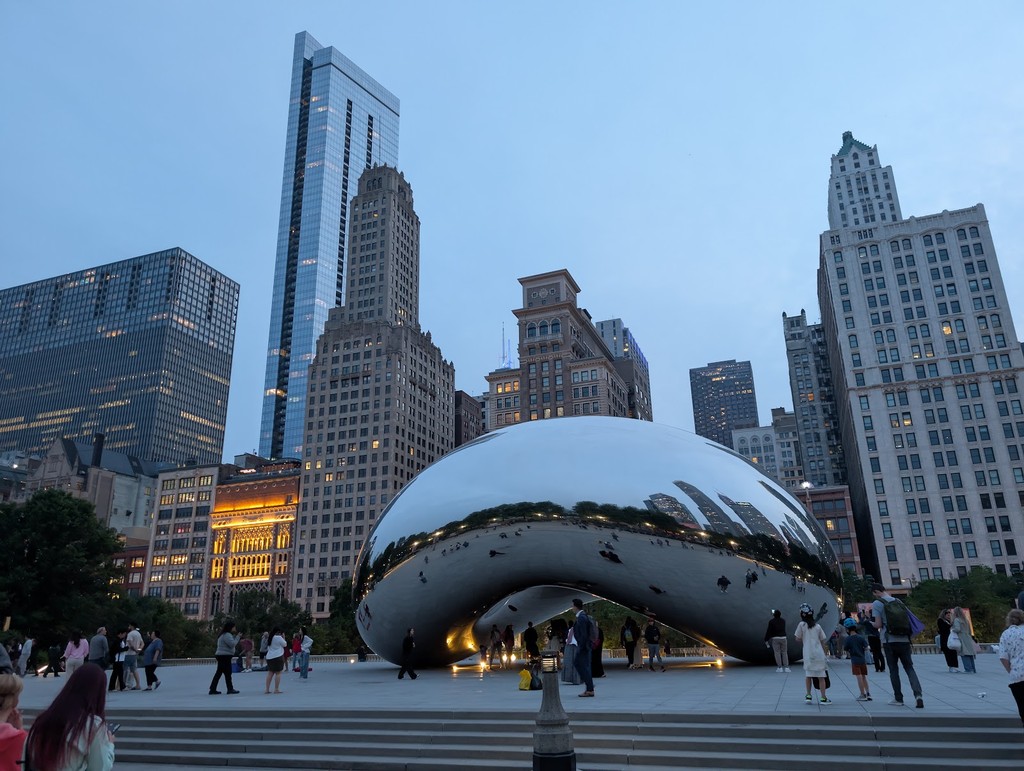
Millennium Park (Source: Google Maps)
Millennium Park is a premier public space in Chicago, known for its innovative design and cultural attractions. Opened in 2004, the park features iconic installations such as the Cloud Gate sculpture, affectionately known as "The Bean," which reflects the city skyline and invites interaction from visitors. The park is a hub for art, music, and community events, offering a diverse range of activities throughout the year. Its beautifully landscaped gardens and open spaces provide a serene escape from the urban bustle, making it a popular destination for relaxation and recreation. Millennium Park also hosts concerts, exhibitions, and festivals, showcasing Chicago’s rich cultural diversity. The park represents a successful collaboration between architecture, landscape design, and public art, embodying the spirit of innovation that defines the city.
The Gage
Savor contemporary American cuisine at The Gage, a popular spot for lunch or dinner near Millennium Park.
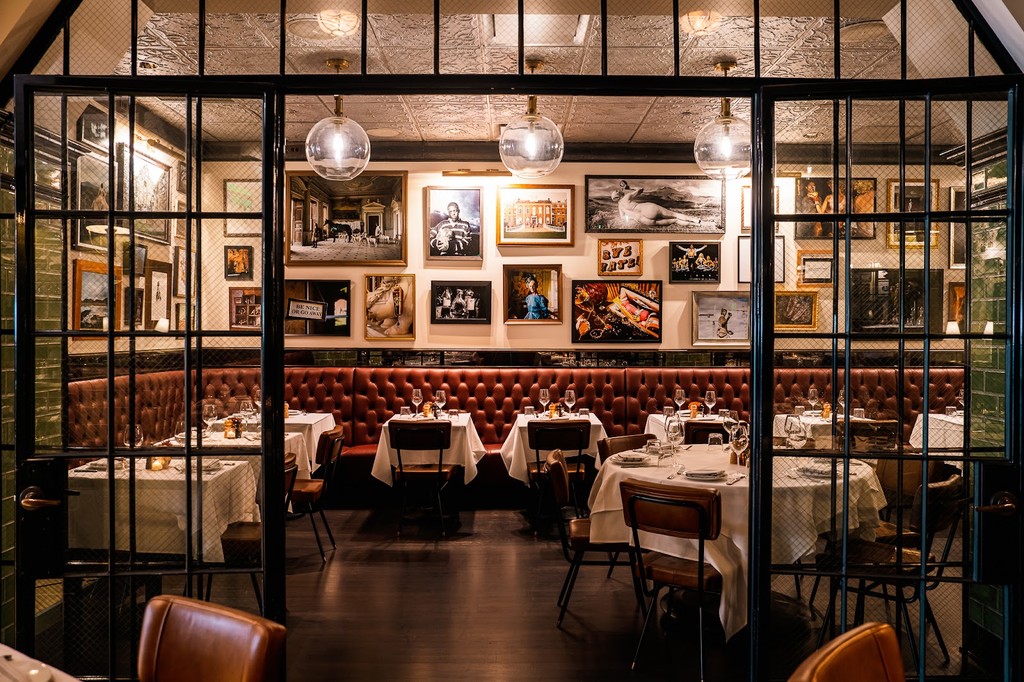
The Gage (Source: Google Maps)
Art Institute of Chicago
Discover world-class art at the Art Institute of Chicago, renowned for its impressive collection spanning centuries and cultures.
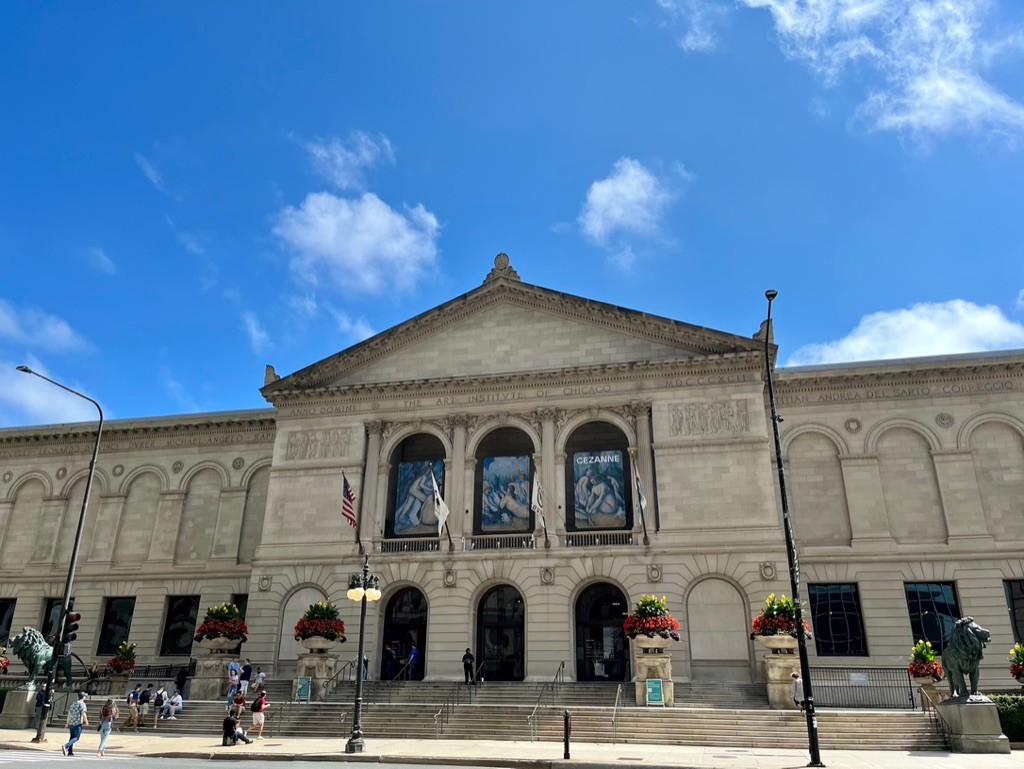
Art Institute of Chicago (Source: Google Maps)
The Art Institute of Chicago is one of the oldest and largest art museums in the United States, renowned for its extensive collection that spans thousands of years and numerous cultures. Founded in 1879, the museum features over 300,000 works of art, including masterpieces by artists such as Grant Wood, Georgia O'Keeffe, and Vincent van Gogh. Its iconic building, with its grand entrance and bronze lion statues, is a landmark in itself. The museum offers a range of educational programs and exhibitions, making art accessible to all. Its commitment to preserving and showcasing art reflects Chicago's cultural richness and diversity. The Art Institute serves not only as a repository of artistic heritage but also as an active participant in the contemporary art scene, hosting events and collaborations that engage the community.
Maggie Daley Park
Enjoy the innovative play spaces and beautiful gardens of Maggie Daley Park, a family-friendly spot right next to Millennium Park.

Maggie Daley Park (Source: Google Maps)
Maggie Daley Park is a vibrant urban park that offers a range of recreational activities for visitors of all ages. Opened in 2014, the park features unique play spaces, including a climbing wall and mini-golf, making it a family-friendly destination. Its beautifully landscaped gardens and picnic areas provide a serene escape in the heart of the city. The park is designed to encourage outdoor activity and community engagement, with various programs and events held throughout the year. Its proximity to Millennium Park enhances the overall experience for visitors, allowing for a seamless blend of nature and urban life. Maggie Daley Park exemplifies Chicago’s commitment to creating accessible green spaces that foster community interaction and promote healthy lifestyles.
Grant Park
Stroll through Grant Park, often referred to as "Chicago's front yard," and enjoy its lush landscapes and public art installations.
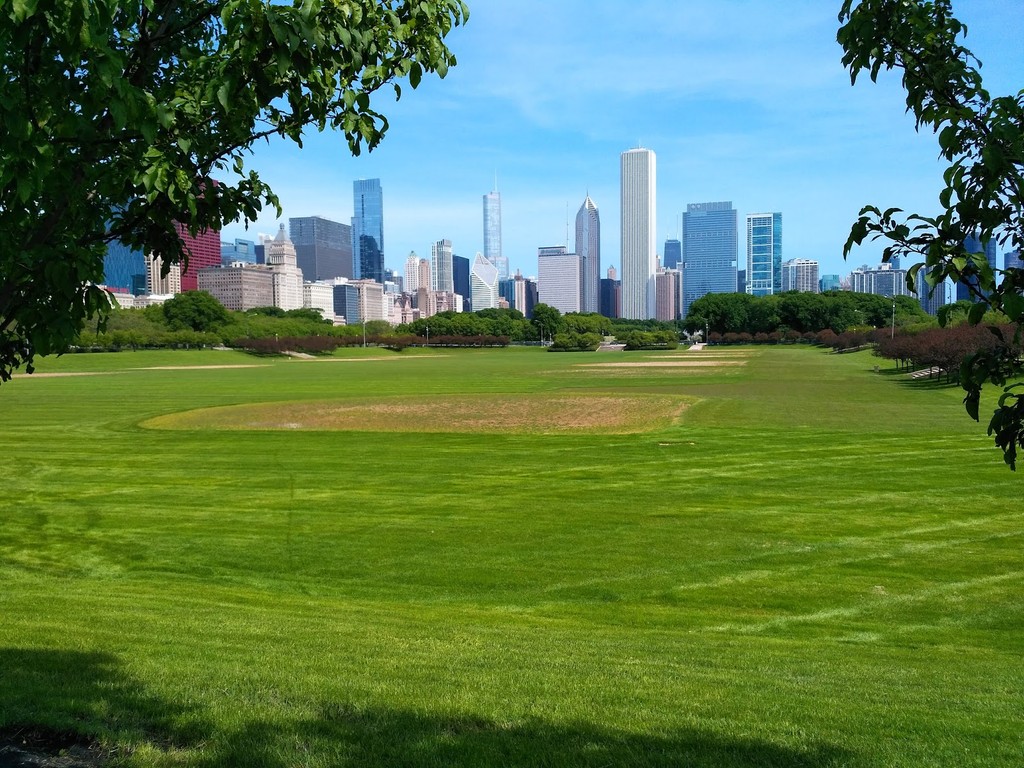
Grant Park (Source: Google Maps)
Grant Park, often referred to as "Chicago's front yard," is a sprawling urban park that serves as a central gathering place for residents and visitors alike. Covering over 300 acres, the park is home to numerous cultural events, concerts, and festivals throughout the year. Its beautifully manicured landscapes, gardens, and public art installations create a picturesque setting for relaxation and recreation. Grant Park also features iconic landmarks such as the Buckingham Fountain, which is one of the largest fountains in the world. The park plays a significant role in the city’s cultural identity, hosting major events like the Chicago Jazz Festival and Lollapalooza. Grant Park is a testament to Chicago’s commitment to preserving green spaces and providing a vibrant community hub for all.
Buckingham Fountain
Witness the grandeur of Buckingham Fountain, one of the largest fountains in the world, located in Grant Park.
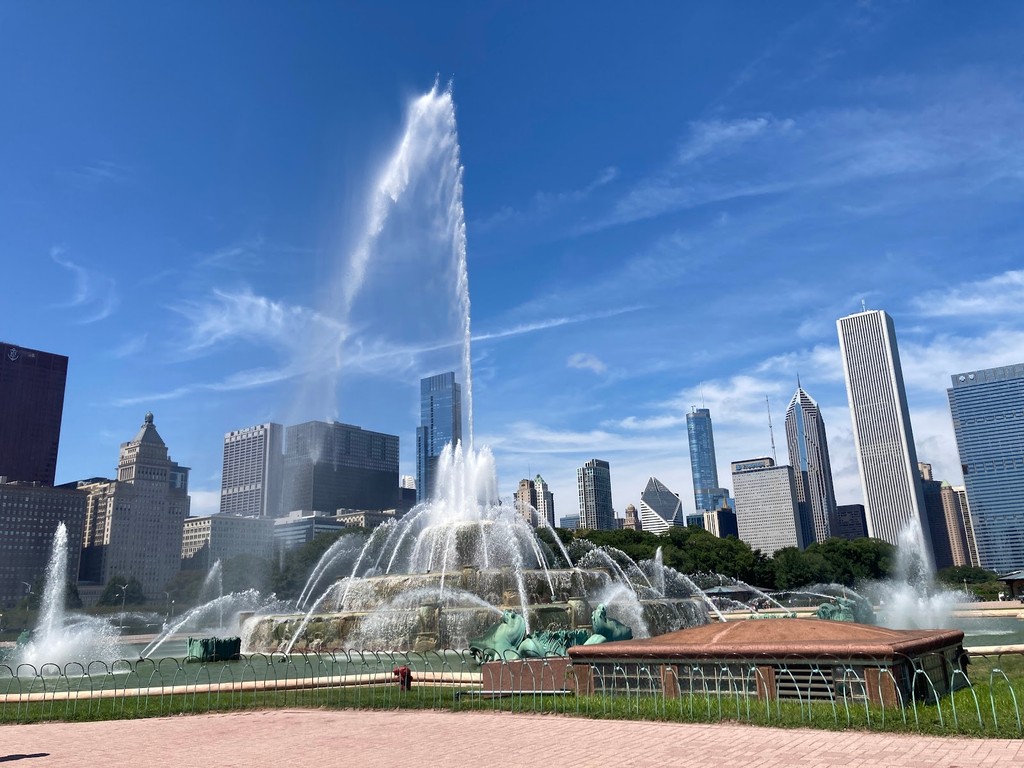
Buckingham Fountain (Source: Google Maps)
Buckingham Fountain, located in Grant Park, is one of the largest and most famous fountains in the world. Designed by architect Edward H. Bennett and completed in 1927, the fountain is a stunning example of Beaux-Arts design. It features a central jet that shoots water up to 150 feet in the air, surrounded by intricate sculptures and a large pool. The fountain is particularly renowned for its nighttime light and music shows, drawing crowds to witness its beauty. Buckingham Fountain symbolizes Chicago’s connection to water and its rich history, serving as a popular gathering spot for locals and tourists. The fountain is a key feature of Grant Park, enhancing the overall experience of visitors to this iconic urban space. Its design and operation reflect the city's commitment to public art and community enjoyment.
Adler Planetarium
End your tour with a cosmic journey at the Adler Planetarium, the first planetarium in the Western Hemisphere, offering breathtaking views of the city skyline.
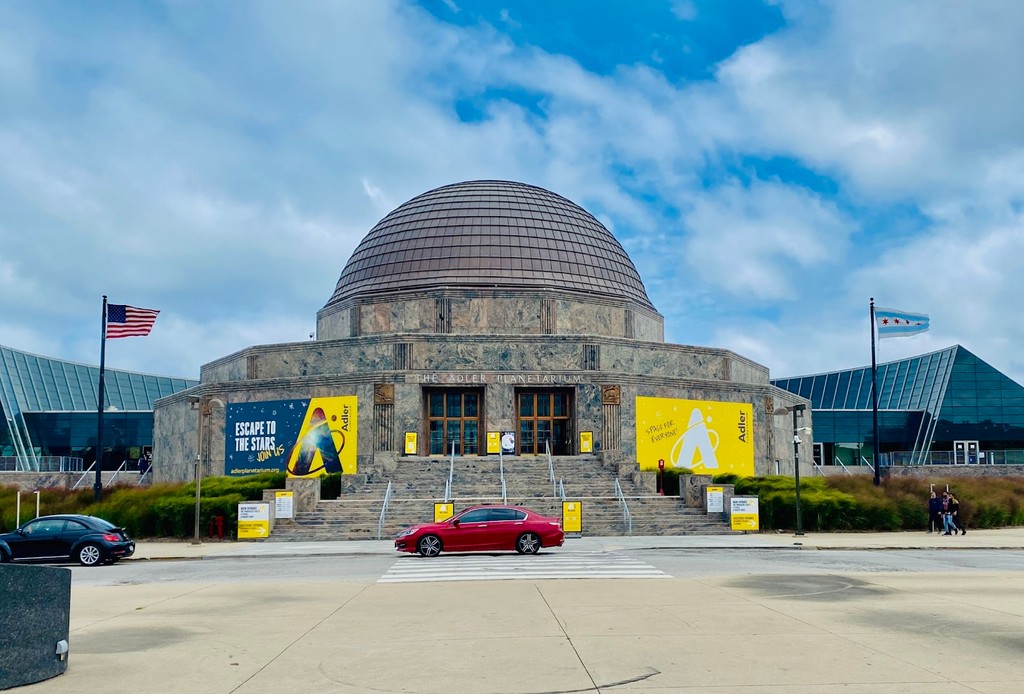
Adler Planetarium (Source: Google Maps)
The Adler Planetarium, founded in 1930, is the first planetarium in the Western Hemisphere and a leading institution for astronomy and space science education. Located on the shores of Lake Michigan, it offers breathtaking views of the Chicago skyline and the lake. The planetarium features a range of exhibits, immersive shows, and educational programs that engage visitors in the wonders of the universe. Its architecture, characterized by a distinctive dome, reflects the celestial themes explored within. The Adler Planetarium plays a vital role in promoting scientific literacy and inspiring future generations of astronomers and scientists. Its commitment to accessibility and community engagement makes it a beloved destination for families and educators. The planetarium not only showcases the beauty of the cosmos but also fosters a sense of wonder and curiosity about the universe.
Your travels, your rules.
Create your own Free Walking Tours.
Set your preferences, distances and anything you want to do or see.
Completely free, no payment required.