
 Budapest
Budapest: A Journey Through Time
Embark on a captivating free walking tour that unveils the rich history and stunning architecture of Budapest, from majestic castles to iconic bridges.
Time
3 Hours
Stops
9 Places
Distance
5.7 km
Buda Castle
Start your tour at the historic Buda Castle, a UNESCO World Heritage Site offering panoramic views of Budapest and a deep dive into Hungarian history.
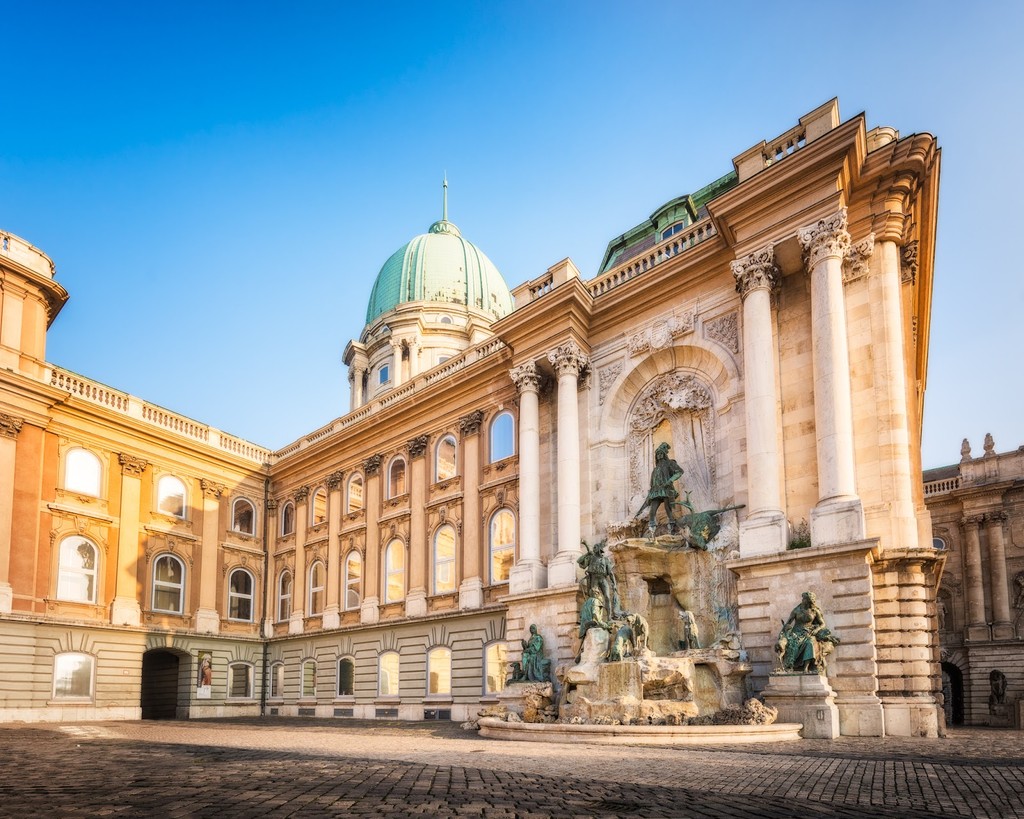
Buda Castle (Source: Google Maps)
Buda Castle, a UNESCO World Heritage Site, stands as a symbol of Hungary's rich history and architectural prowess. This historic castle complex offers breathtaking views of the Danube and the city below. Originally constructed in the 13th century, it has undergone numerous renovations, reflecting various architectural styles, including Gothic, Renaissance, and Baroque. The castle houses the Hungarian National Gallery and the Budapest History Museum, showcasing Hungary's artistic heritage and historical narratives. Its strategic location on Castle Hill has made it a focal point of defense and royal residence throughout the centuries, making it an essential stop for anyone looking to understand the essence of Budapest.
Fisherman's Bastion
Adjacent to Matthias Church, this neo-Gothic terrace provides some of the best views of the Danube River and Pest side of the city.
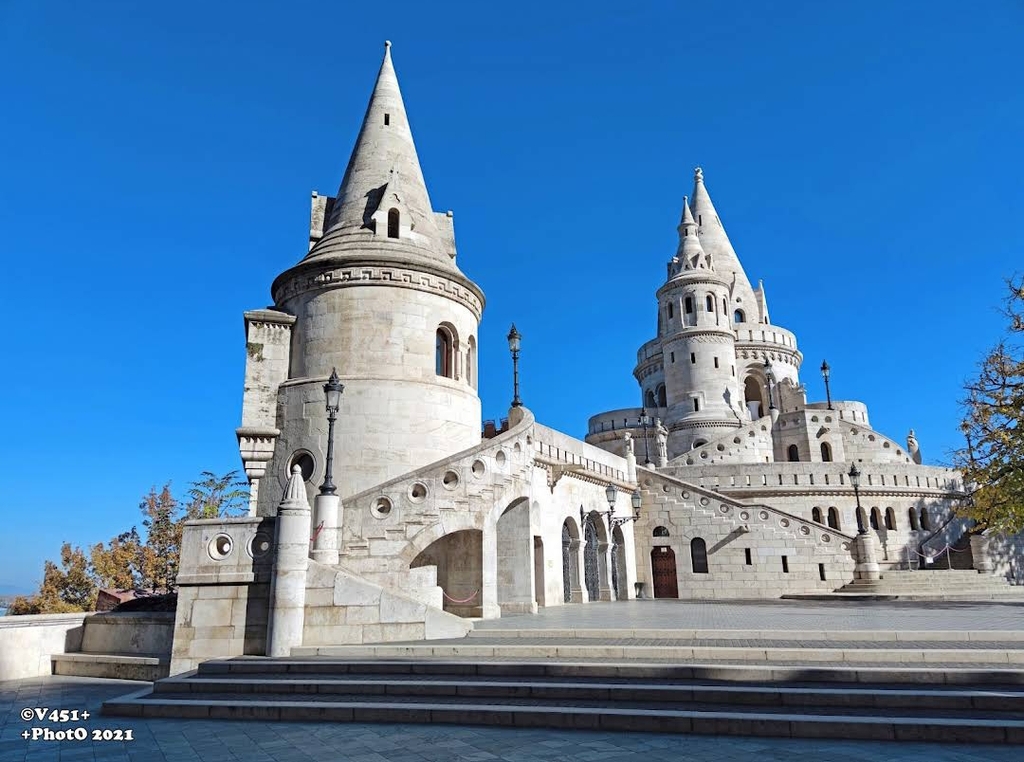
Fisherman's Bastion (Source: Google Maps)
The Fisherman's Bastion, with its fairy-tale turrets and panoramic views, is a neo-Gothic terrace that overlooks the Danube River and the Pest side of Budapest. Completed in 1902, it was designed by architect Frigyes Schulek to celebrate the 1000th anniversary of the Hungarian state. Named after the fishermen who once defended this part of the city, the Bastion features seven towers, representing the seven tribes that founded Hungary. It is a prime spot for photography and enjoying the stunning vistas of the Parliament building and the Chain Bridge. The Bastion's architectural style harmoniously blends with the nearby Matthias Church, creating an enchanting historical atmosphere.
Matthias Church
Just a short walk from Buda Castle, this stunning church is known for its unique architecture and colorful roof tiles, and it plays a significant role in Hungary's coronation ceremonies.
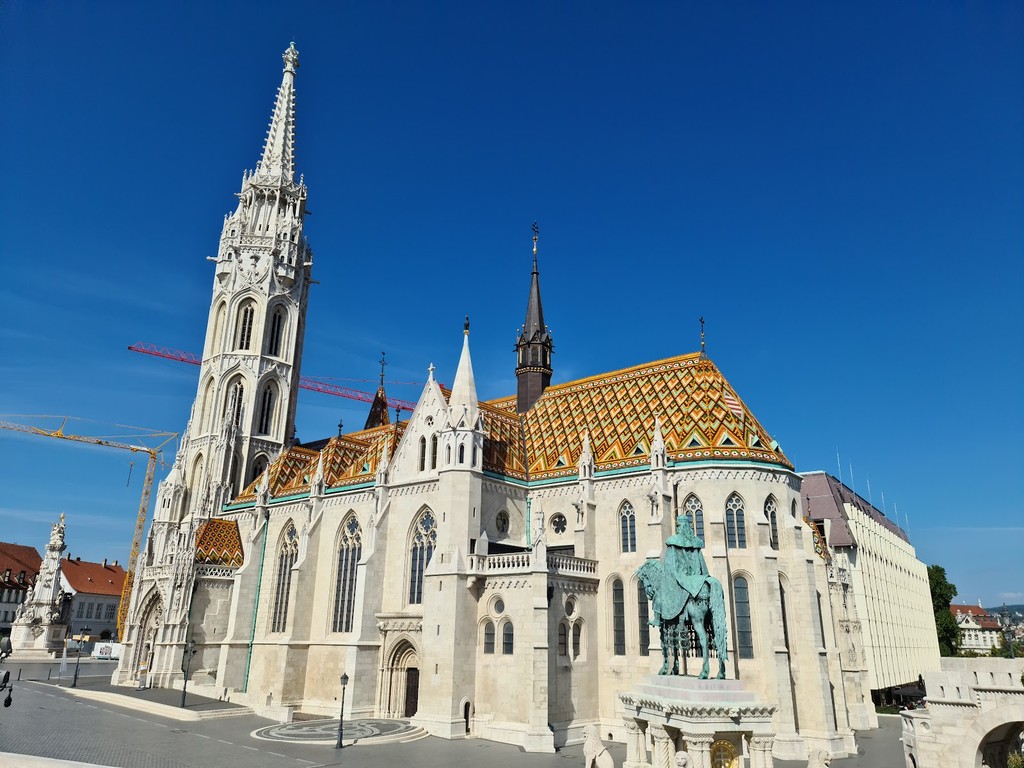
Matthias Church (Source: Google Maps)
Matthias Church, officially known as the Church of Our Lady, is a stunning example of Gothic architecture, renowned for its colorful roof tiles and intricate interior. This church has a significant role in Hungarian history, serving as the site for royal coronations, including that of King Matthias Corvinus in the 15th century. The church's exterior features a striking blend of Romanesque and Gothic elements, while its interior is adorned with beautiful frescoes and stained glass windows. The church has undergone numerous renovations, particularly after being damaged during World War II. Today, it stands as a symbol of national pride and an important cultural monument, attracting visitors with its rich history and architectural beauty.
Chain Bridge
Cross the iconic Chain Bridge, the first permanent bridge across the Danube in Budapest, linking Buda and Pest.
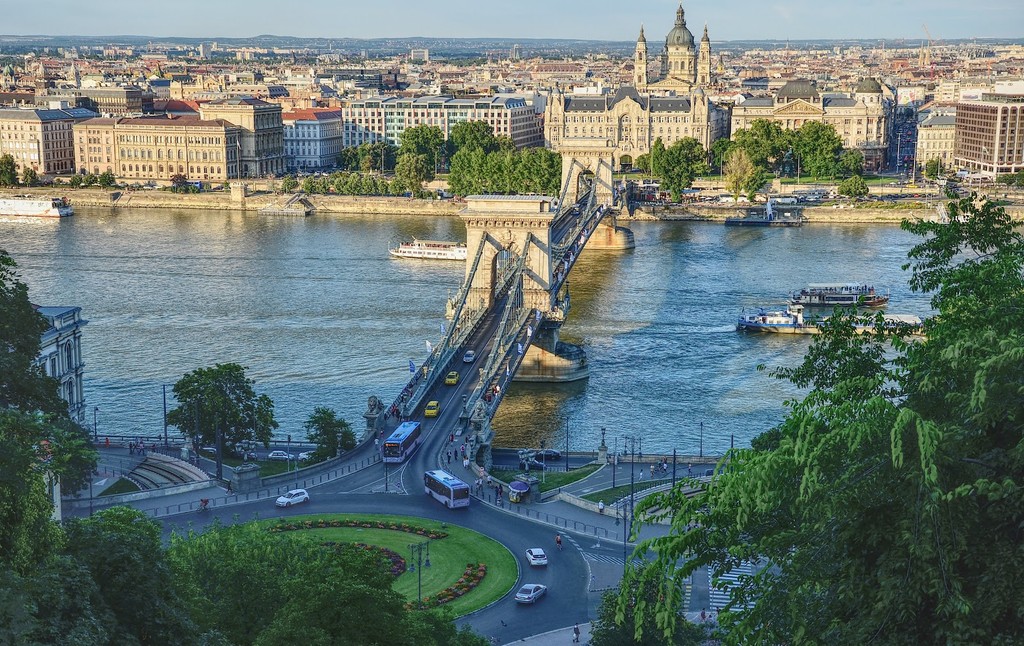
Chain Bridge (Source: Google Maps)
The Chain Bridge, or Széchenyi Lánchíd, is an iconic symbol of Budapest, recognized as the first permanent bridge to span the Danube River. Completed in 1849, it was designed by the English engineer William Tierney Clark and represents a pioneering achievement in engineering. The bridge connects Buda and Pest, facilitating trade and transportation between the two sides of the city. Its majestic stone lions at either end have become a defining feature, adding to its allure. The Chain Bridge has witnessed numerous historical events, including the upheavals of the 20th century. Today, it serves as a vital thoroughfare and a picturesque spot for tourists and locals alike, offering stunning views of the river and the surrounding city.
St. Stephen's Basilica
Arrive at St. Stephen's Basilica, an architectural masterpiece and the largest church in Budapest, named after Hungary's first king.
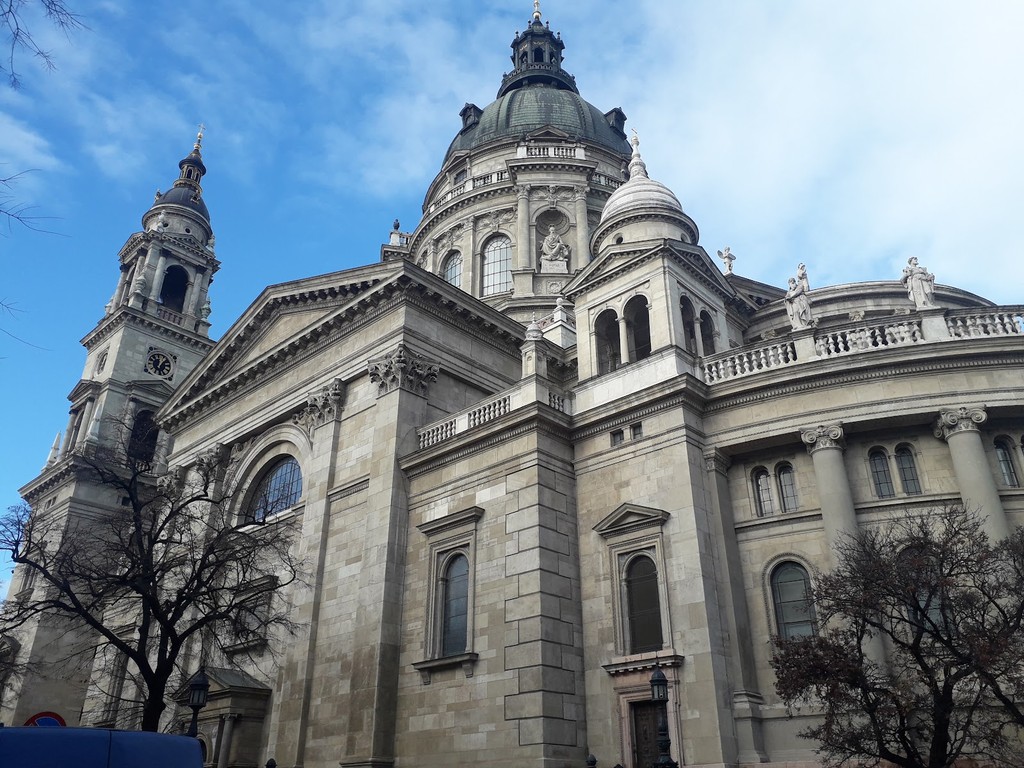
St. Stephen's Basilica (Source: Google Maps)
St. Stephen's Basilica, named after Hungary's first king, is a magnificent architectural masterpiece and the largest church in Budapest. Completed in 1905, it showcases a neoclassical style, characterized by its grand dome and intricate interior decorations. The basilica can accommodate up to 8,500 people and is a significant place of worship for Catholics in Hungary. One of its most notable features is the mummified right hand of St. Stephen, housed in a glass case, making it a revered pilgrimage site. The basilica's dome offers panoramic views of the city for those willing to climb its 364 steps. This landmark not only serves a religious purpose but also stands as a testament to Hungary's artistic and cultural heritage.
Hungarian State Opera House
Walk to the Hungarian State Opera House, a beautifully ornate building that showcases the grandeur of Budapest's 19th-century architecture.
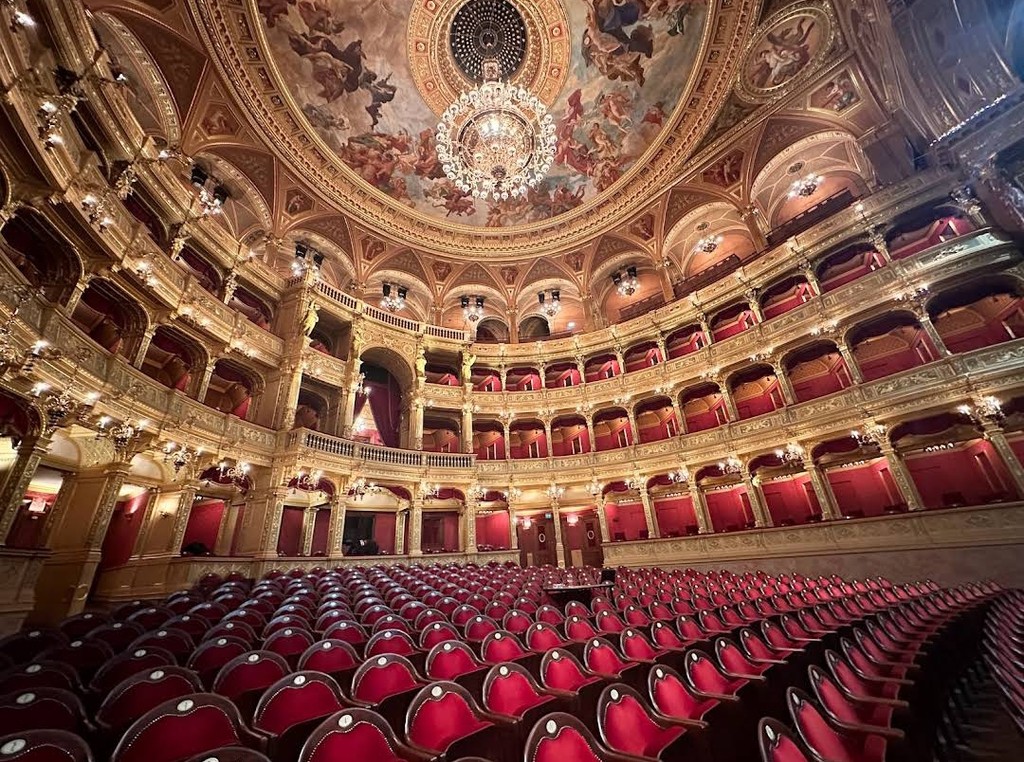
Hungarian State Opera House (Source: Google Maps)
The Hungarian State Opera House is a stunning example of 19th-century architecture, known for its exquisite design and rich cultural history. Opened in 1884, it was designed by the renowned architect Miklós Ybl in a neo-Renaissance style, featuring ornate decorations and a grand staircase. The opera house has hosted numerous world-class performances and is considered one of the finest opera houses in Europe. Its opulent interior includes a lavish auditorium with a capacity of 1,200 seats, adorned with gold leaf, chandeliers, and beautiful frescoes. The venue has played a crucial role in Hungary's cultural life, showcasing both traditional and contemporary operatic works. Guided tours are available, allowing visitors to appreciate its architectural beauty and historical significance.
Andrássy Avenue
Stroll down Andrássy Avenue, a grand boulevard lined with neo-renaissance mansions and townhouses, and a UNESCO World Heritage Site.
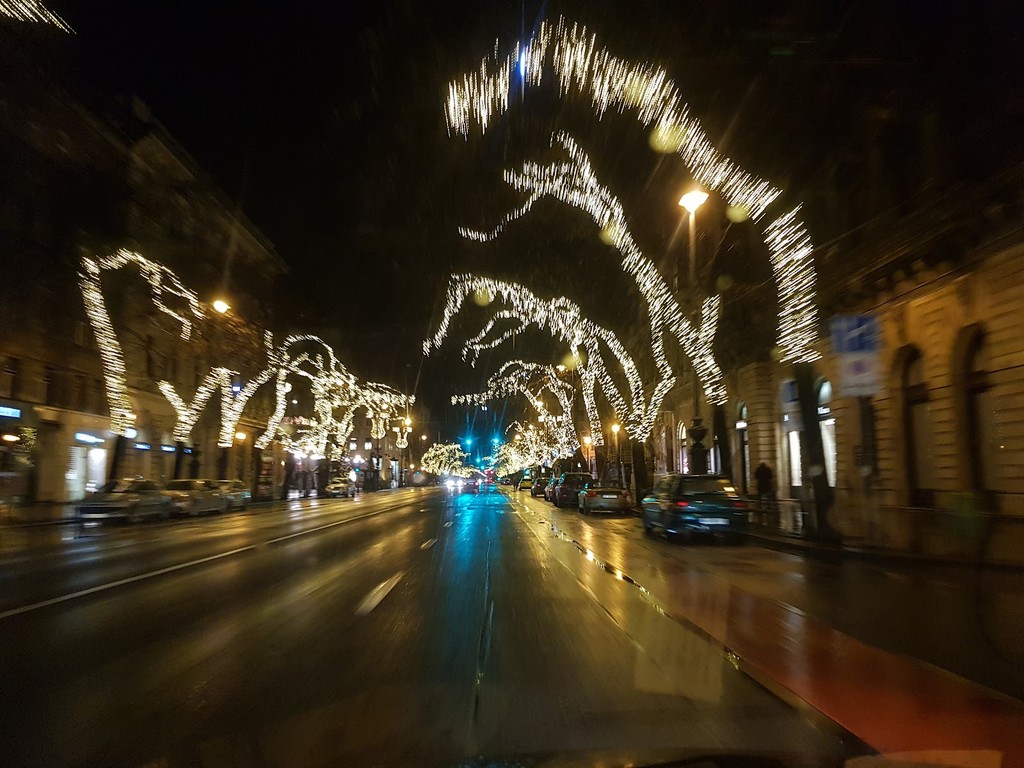
Andrássy Avenue (Source: Google Maps)
Andrássy Avenue, a UNESCO World Heritage Site, is a grand boulevard that exemplifies Budapest's architectural elegance. Stretching from the city center to Heroes' Square, it is lined with impressive neo-renaissance mansions, theaters, and cultural institutions. Designed in the late 19th century, the avenue reflects the city’s aspirations during the Austro-Hungarian Empire. It is also home to the Hungarian State Opera House and various embassies. The tree-lined avenue invites leisurely strolls, with numerous cafes and shops adding to its charm. Andrássy Avenue is not only a vital thoroughfare but also a cultural hub, hosting events and festivals that celebrate Budapest's vibrant arts scene. Its historical significance and architectural beauty make it a must-visit destination.
House of Terror Museum
Visit the House of Terror Museum, which provides a poignant look at Hungary's fascist and communist past within its chilling exhibits.
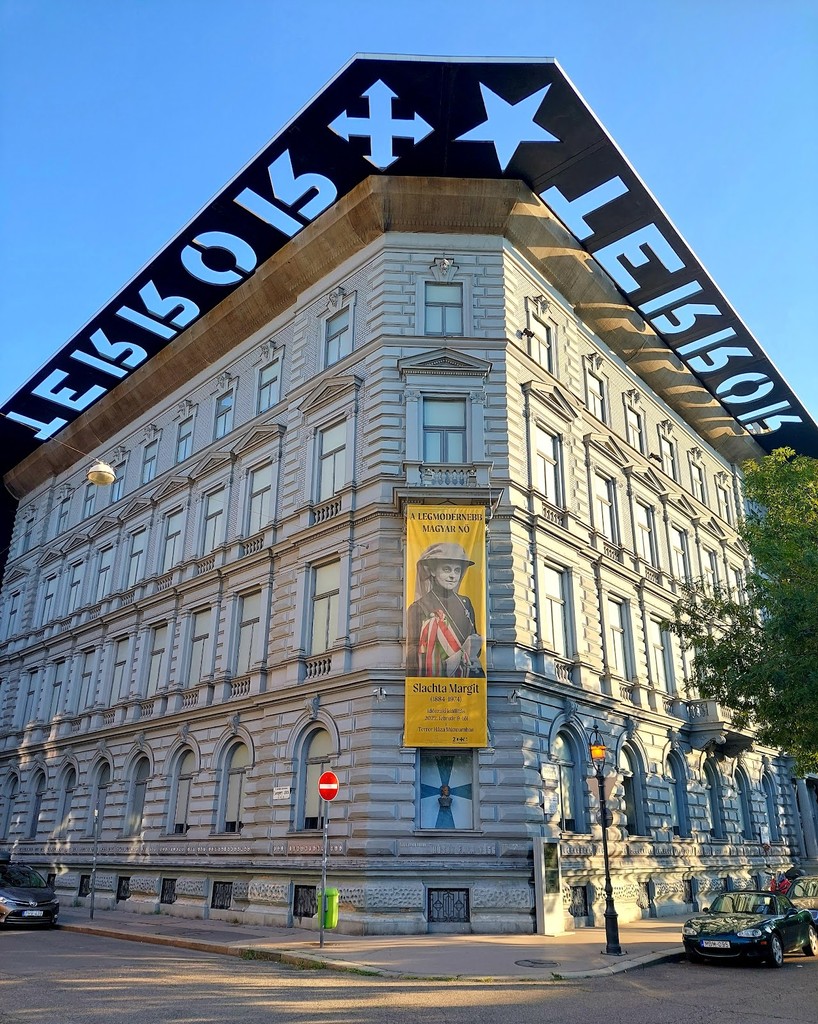
House of Terror Museum (Source: Google Maps)
The House of Terror Museum is a poignant and powerful institution located in what was once the headquarters of the secret police during Hungary's fascist and communist regimes. Opened in 2002, the museum provides an in-depth look at the oppressive political history of Hungary, featuring chilling exhibits that highlight the impact of totalitarianism on society. The building itself is a symbol of terror, with its stark façade and haunting interior. Visitors can explore various rooms that detail the experiences of victims, including those who were imprisoned, tortured, and executed. The museum also emphasizes the importance of remembering history to prevent future atrocities. Through multimedia displays and personal stories, the House of Terror serves as a sobering reminder of the past and a call for vigilance in protecting human rights.
Heroes' Square
End your tour at Heroes' Square, one of Budapest's most iconic landmarks, known for its impressive statues and the Millennium Monument.
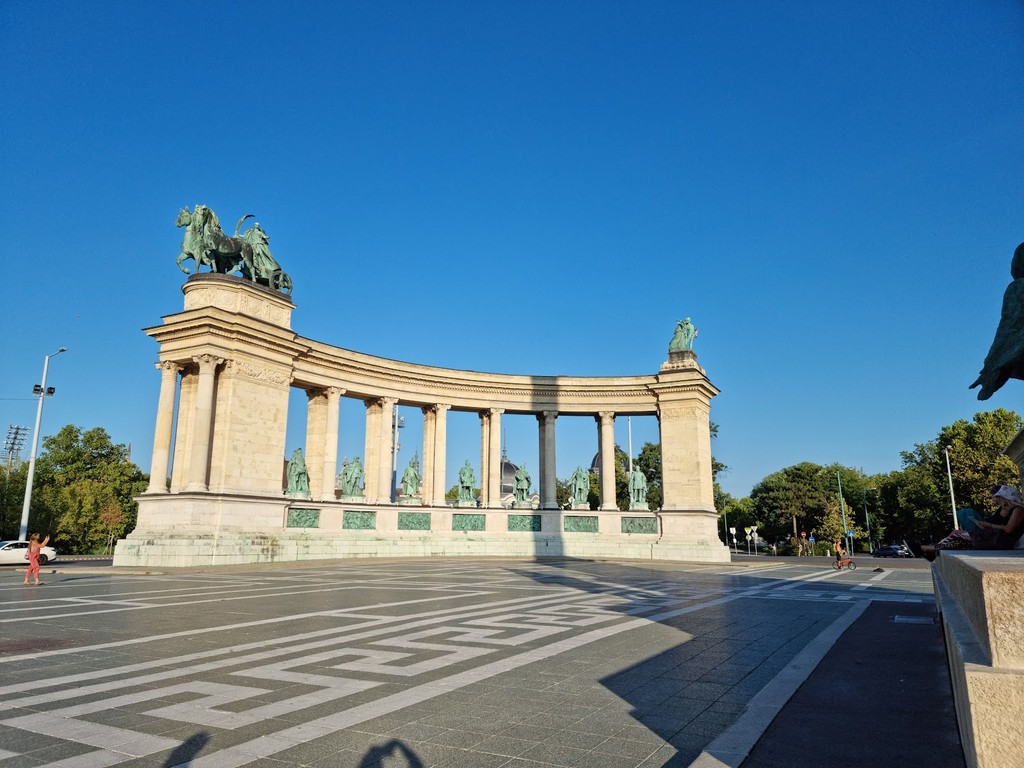
Heroes' Square (Source: Google Maps)
Heroes' Square, or Hősök tere, is one of Budapest's most iconic landmarks, celebrated for its impressive statues and the Millennium Monument. Completed in 1900, the square honors the leaders of the seven tribes that founded Hungary, as well as other significant figures in Hungarian history. The centerpiece is the towering column topped by the Archangel Gabriel, surrounded by two semi-circular colonnades featuring statues of notable kings and leaders. The square is a popular gathering place for locals and tourists, often hosting cultural events and celebrations. Its design reflects the grandeur of the late 19th century and serves as a gateway to the City Park, making it a vital part of Budapest's cultural landscape. Heroes' Square is not only a historical site but also a vibrant space for community activities.
Your travels, your rules.
Create your own Free Walking Tours.
Set your preferences, distances and anything you want to do or see.
Completely free, no payment required.