
 Bucharest
: A Journey Through Time
Join us on a captivating free walking tour through Bucharest, exploring its rich history, stunning architecture, and vibrant culture at every corner.
Time
3 Hours
Stops
9 Places
Distance
4.6 km
Palace of the Parliament (Palatul Parlamentului)
As the world's heaviest building, the Palace of the Parliament is an iconic symbol of Bucharest and a testament to the city's complex history.
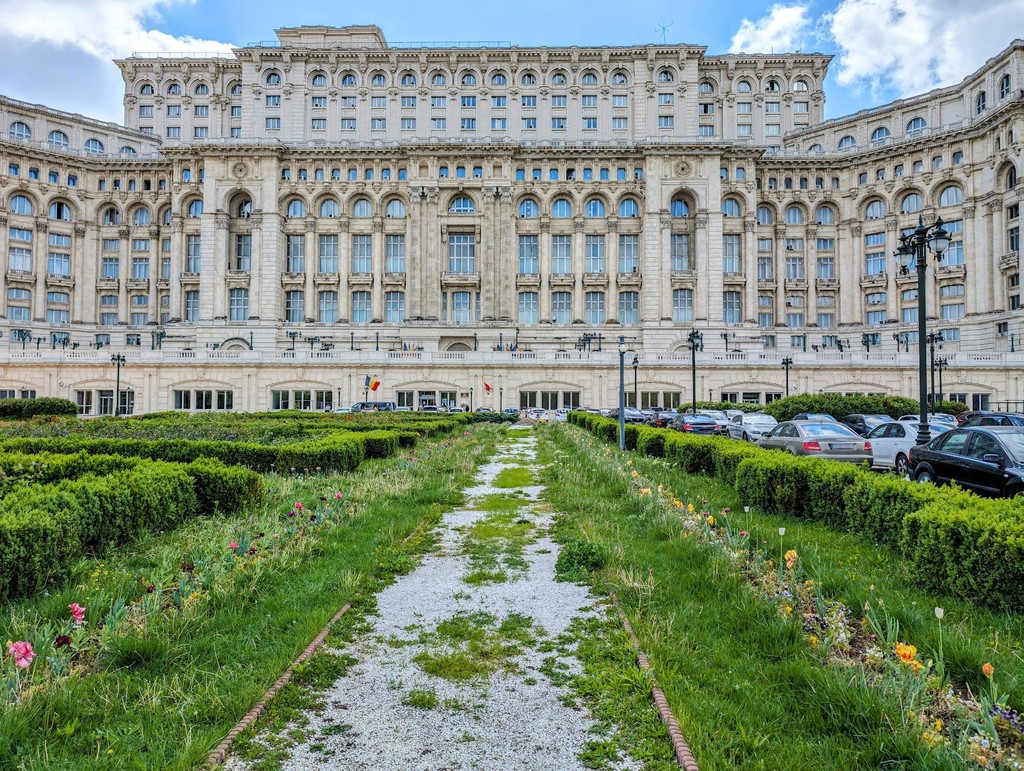
Palace of the Parliament (Palatul Parlamentului) (Source: Google Maps)
The Palace of the Parliament, known as the world's heaviest building, stands as a monumental symbol of Bucharest’s complex history. Completed in 1997, it was commissioned by Nicolae Ceaușescu, the last communist leader of Romania, and reflects the grandiose architectural style of the communist era. This colossal structure covers over 365,000 square meters and features more than 1,100 rooms, adorned with opulent materials such as gold, crystal, and marble. The building is a UNESCO World Heritage Site and showcases the excesses of Ceaușescu's regime, as well as the resilience of the Romanian people. Visitors can explore its lavish interiors, including the impressive main hall, and learn about the building's controversial history, which serves as a stark reminder of Romania's tumultuous past.
Cişmigiu Gardens (Grădina Cişmigiu)
This beautiful and historic park offers a peaceful retreat in the heart of the city and is perfect for a leisurely walk to enjoy nature.
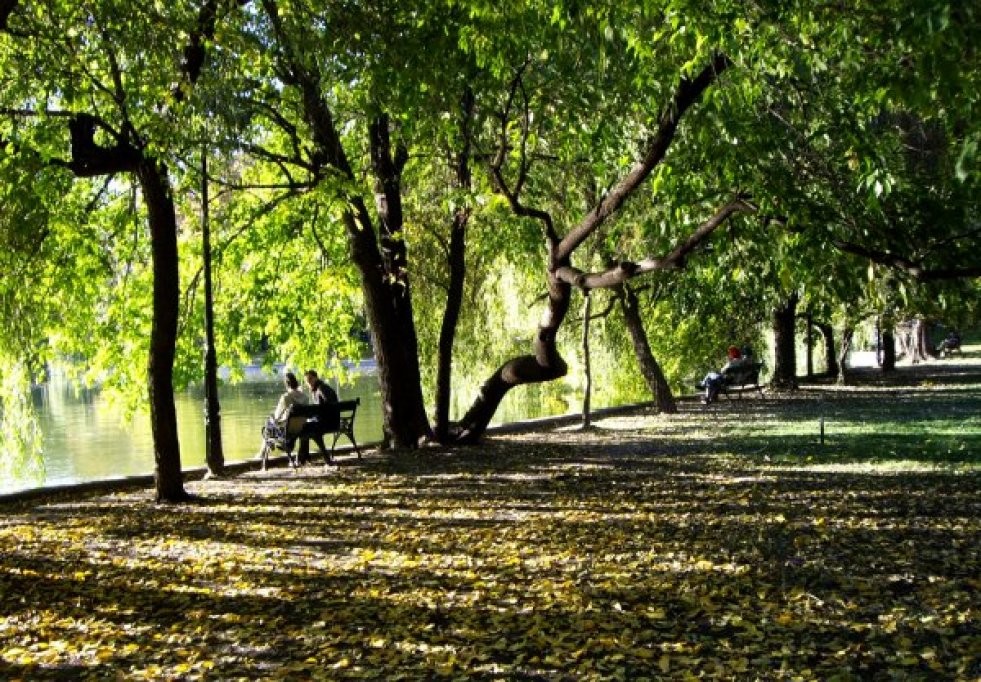
Cişmigiu Gardens (Grădina Cişmigiu) (Source: Google Maps)
Cişmigiu Gardens, the oldest park in Bucharest, was inaugurated in 1854 and designed by the landscape architect Friedrich Rebhun. This picturesque oasis in the city center features lush greenery, serene ponds, and charming pathways that invite visitors to stroll and relax. The gardens are home to a variety of tree species and colorful flowerbeds, making it a popular spot for picnics and leisurely walks. The park also boasts several monuments, including the statue of the Romanian poet Mihai Eminescu, and offers recreational activities such as boating on the lake and children's playgrounds. Cişmigiu Gardens holds cultural significance as a gathering place for locals and a venue for various events, including open-air concerts and theater performances, celebrating Bucharest's artistic spirit.
Romanian Athenaeum (Ateneul Român)
Known for its stunning architecture, the Romanian Athenaeum is a cultural hub and home to the George Enescu Philharmonic Orchestra.

Romanian Athenaeum (Ateneul Român) (Source: Google Maps)
The Romanian Athenaeum, an architectural gem of neoclassical design, was completed in 1888 and serves as the main concert hall of the George Enescu Philharmonic Orchestra. This iconic building, with its stunning dome and intricately decorated interior, is a symbol of Romanian culture and artistic achievement. The Athenaeum's grand foyer is adorned with frescoes depicting important moments in Romanian history, while its auditorium features exceptional acoustics and a seating capacity of over 800. It has hosted numerous prestigious concerts and events, making it a cultural centerpiece of Bucharest. The Romanian Athenaeum is not only a venue for classical music but also a place where the spirit of Romanian creativity thrives, attracting music lovers from around the world.
Revolution Square (Piața Revoluției)
A significant historical site, Revolution Square is where the 1989 Romanian Revolution unfolded, leading to the fall of communism.

Revolution Square (Piața Revoluției) (Source: Google Maps)
Revolution Square is a historically significant site in Bucharest, known for being the epicenter of the 1989 Romanian Revolution, which led to the fall of communism in Romania. The square is surrounded by important landmarks, including the former Central Committee of the Romanian Communist Party and the National Museum of Art. A prominent feature of the square is the Memorial of Rebirth, which commemorates the heroes of the revolution. The square has been a gathering place for protests and celebrations, reflecting the resilience of the Romanian people. Visitors can explore the area to gain insight into the country's recent history and the struggles faced during the communist regime, making it a poignant reminder of the importance of freedom and democracy.
National Museum of Art of Romania (Muzeul Național de Artă al României)
Housed in the former Royal Palace, this museum features an extensive collection of Romanian and European art.
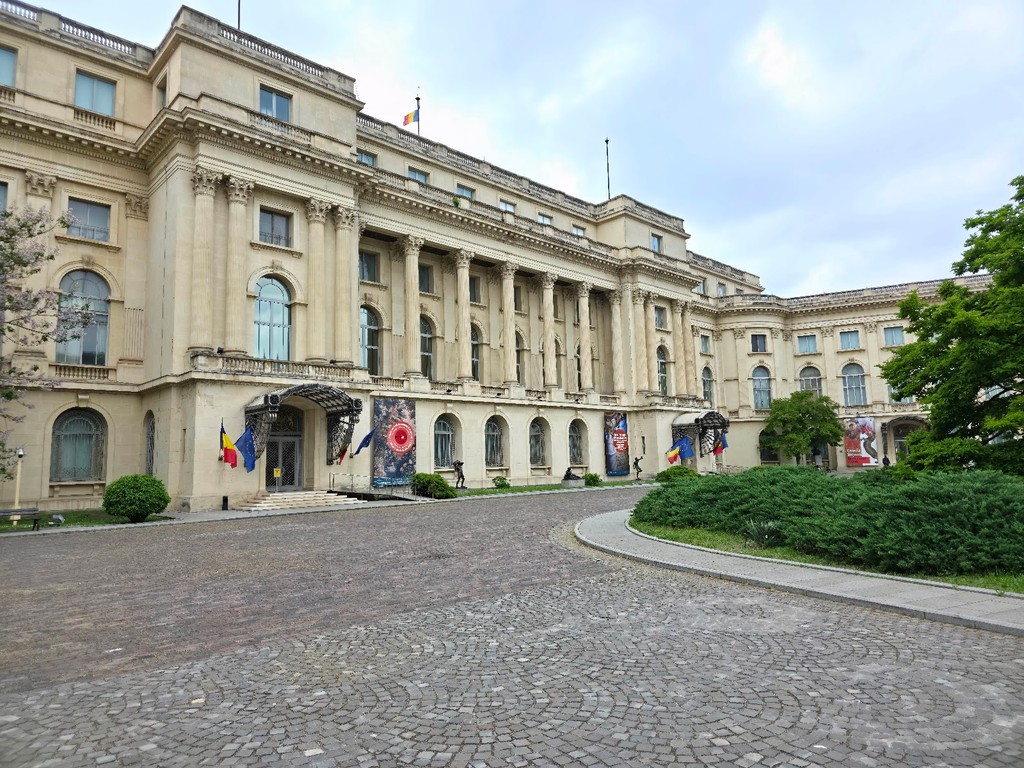
National Museum of Art of Romania (Muzeul Național de Artă al României) (Source: Google Maps)
Housed in the former Royal Palace, the National Museum of Art of Romania is a premier institution showcasing an extensive collection of Romanian and European art. Established in 1950, the museum features works from the Middle Ages to contemporary art, including masterpieces by Romanian artists such as Nicolae Grigorescu and Theodor Aman, as well as European artists like Rembrandt and Rubens. The museum's galleries are organized thematically, allowing visitors to explore the evolution of art in Romania and its cultural connections to Europe. The building itself is a stunning example of neoclassical architecture, with beautifully restored interiors that enhance the visitor experience. The National Museum of Art serves as a vital cultural hub, hosting temporary exhibitions, educational programs, and events that celebrate Romania's artistic heritage.
National History Museum of Romania (Muzeul Național de Istorie a României)
Discover Romania's rich history from ancient times to the modern era through the museum's extensive exhibits.
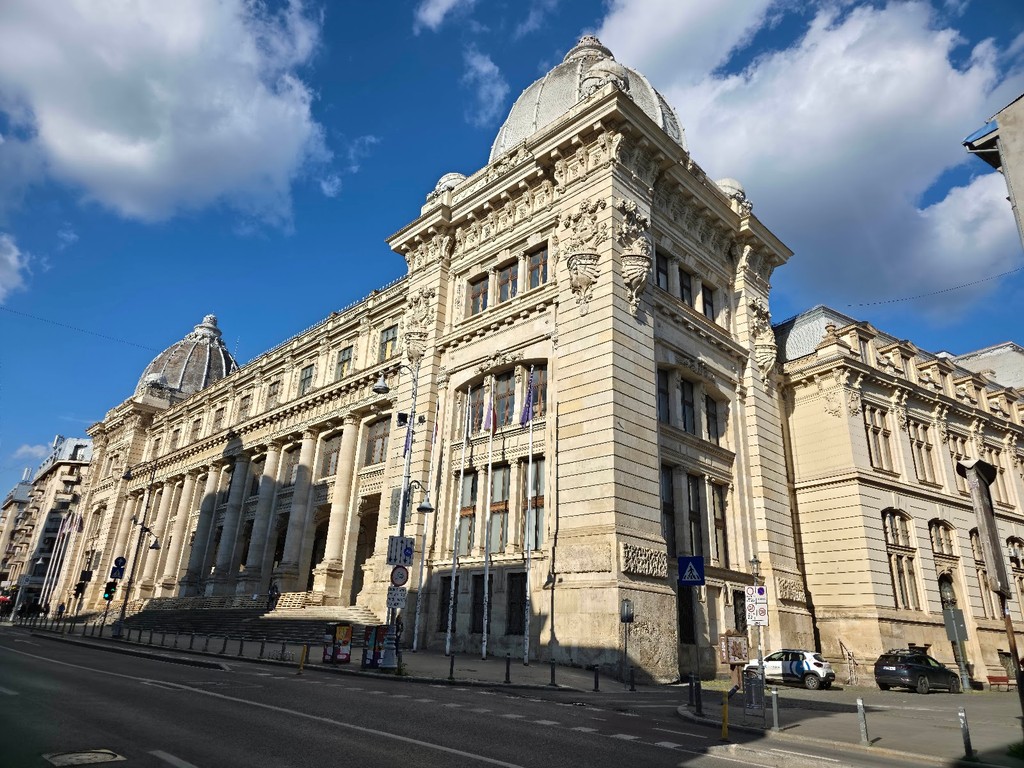
National History Museum of Romania (Muzeul Național de Istorie a României) (Source: Google Maps)
The National History Museum of Romania, located in the former Postal Services Palace, offers an extensive overview of Romania's rich history from ancient times to the modern era. Established in 1970, the museum houses artifacts that span various periods, including the Dacian gold treasures, medieval manuscripts, and exhibits on Romania's role during the World Wars. The museum's diverse collection provides insights into the cultural, political, and social evolution of the Romanian people. Notable exhibits include the replica of the Trajan's Column and the collection of historical documents that chronicle the nation's past. The museum is not only a repository of artifacts but also a center for research and education, making it a key destination for those interested in understanding Romania's historical journey.
Stavropoleos Monastery Church (Biserica Stavropoleos)
This small but stunning church is a masterpiece of Brâncovenesc architecture and offers a glimpse into Bucharest's religious heritage.
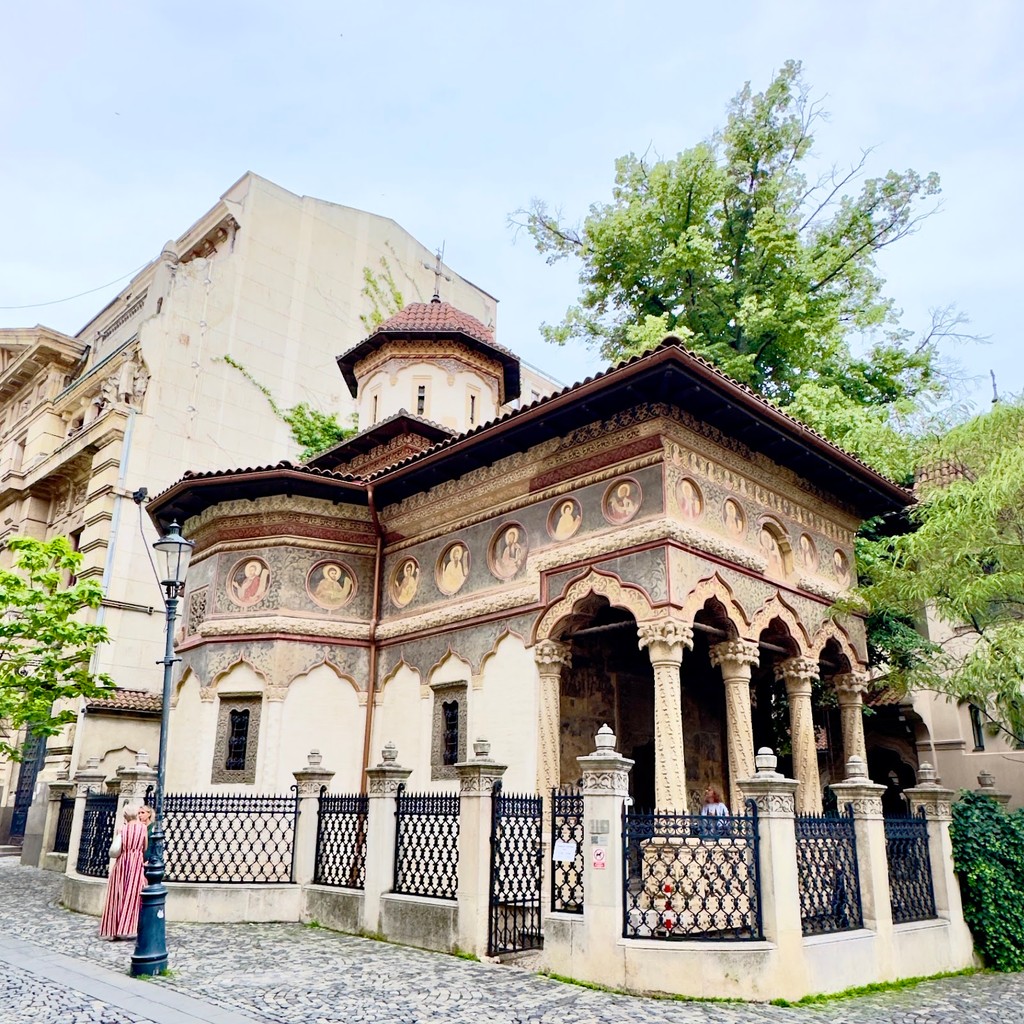
Stavropoleos Monastery Church (Biserica Stavropoleos) (Source: Google Maps)
Stavropoleos Monastery Church, built in 1724, is a stunning example of Brâncovenesc architecture, characterized by intricate stone carvings and wooden details. This small but exquisite church is dedicated to Saint George and is known for its serene atmosphere and beautiful frescoes. The church's architecture reflects a blend of Byzantine and Romanian styles, with a distinctive bell tower that adds to its charm. The monastery is a peaceful retreat in the bustling city, attracting visitors seeking a moment of reflection. It also houses a small museum with religious artifacts, providing insight into Bucharest's religious heritage. The church is an important cultural landmark, often hosting concerts and cultural events, showcasing its significance in the spiritual and artistic life of the city.
Old Town (Centrul Vechi)
Known for its charming cobblestone streets and vibrant atmosphere, Bucharest's Old Town is a perfect place to explore the city's history and architecture.
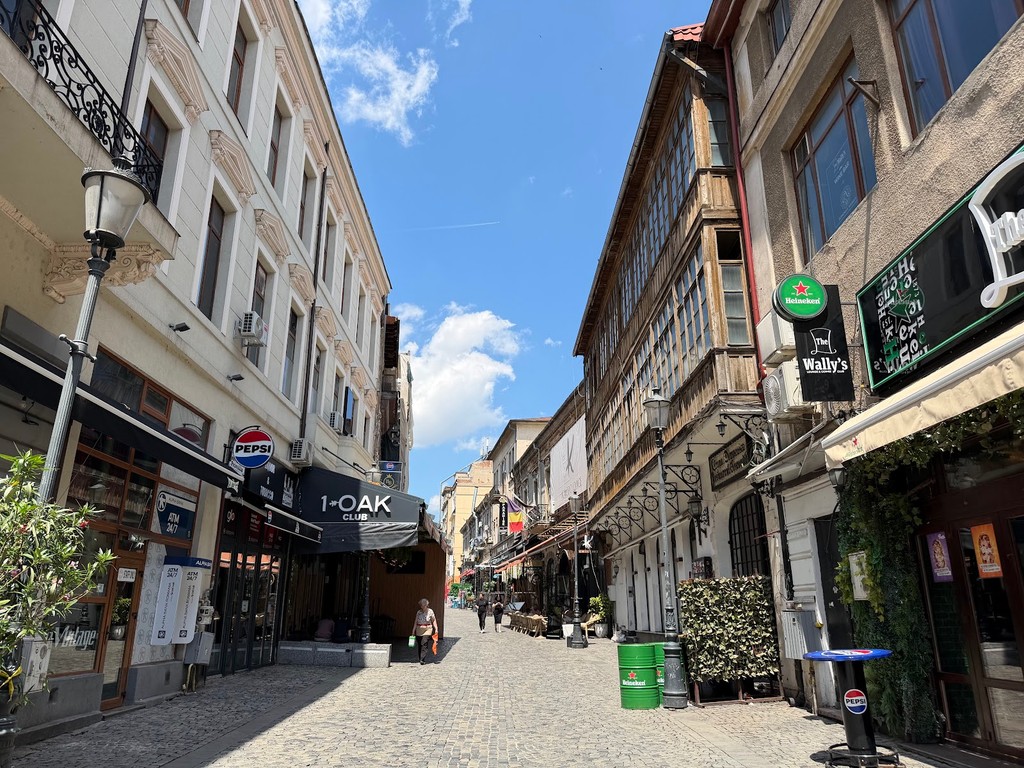
Old Town (Centrul Vechi) (Source: Google Maps)
Bucharest's Old Town, known for its charming cobblestone streets and vibrant atmosphere, is a delightful area that showcases the city's rich history and diverse architecture. This historic district features a mix of medieval, neoclassical, and modern buildings, reflecting the evolution of Bucharest over the centuries. Visitors can explore numerous cafes, shops, and cultural venues that contribute to the lively ambiance of the area. The Old Town is home to several significant landmarks, including churches, historical sites, and museums, making it an ideal place for those interested in the city's heritage. Its bustling nightlife and cultural events further enhance its appeal, making Old Town a must-visit destination for both locals and tourists alike.
Manuc's Inn (Hanul lui Manuc)
Dating back to the early 19th century, Manuc's Inn is a historical site that now serves as a restaurant and event space, reflecting the city's past as a commercial hub.

Manuc's Inn (Hanul lui Manuc) (Source: Google Maps)
Dating back to the early 19th century, Manuc's Inn is a historical site that reflects Bucharest's past as a commercial hub. Originally built as a caravanserai, it served as a resting place for traders and travelers. The inn features a beautiful courtyard, traditional architecture, and a restaurant that offers a taste of Romanian cuisine. Manuc's Inn has witnessed significant events in Romanian history, including political discussions and cultural exchanges. Today, it stands as a testament to the city's vibrant past, attracting visitors who wish to experience its rich heritage. The inn often hosts cultural events and exhibitions, making it a lively spot that blends history and modernity, while offering a glimpse into the hospitality of the era.
Your travels, your rules.
Create your own Free Walking Tours.
Set your preferences, distances and anything you want to do or see.
Completely free, no payment required.