
 Bristol
Bristol's Historic Treasures Unveiled
Discover Bristol's rich heritage on this engaging free walking tour, exploring stunning architecture and vibrant cultural sites throughout the city.
Time
3 Hours
Stops
9 Places
Distance
3.8 km
Bristol Cathedral
Begin your tour at the Bristol Cathedral, a stunning example of Gothic architecture with a history dating back to the 12th century.
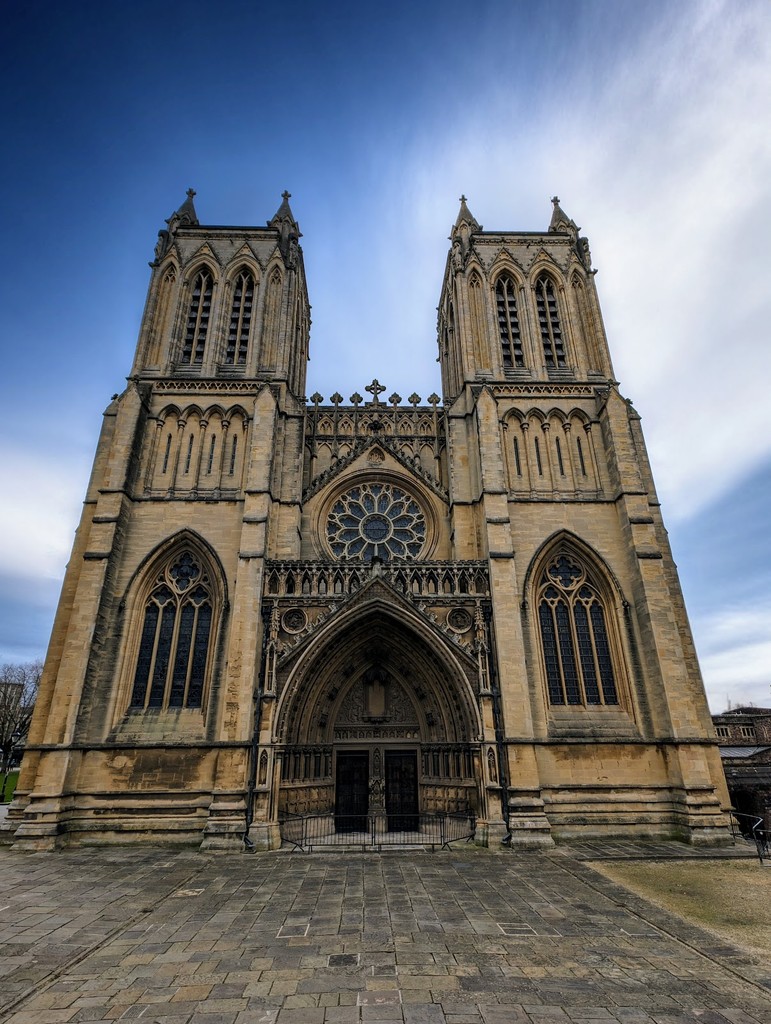
Bristol Cathedral (Source: Google Maps)
Bristol Cathedral, a magnificent example of Gothic architecture, has stood proudly since the 12th century. Originally founded as a monastic church, it was later designated as a cathedral in 1542. The cathedral is renowned for its stunning stained glass windows, intricate stonework, and beautifully vaulted ceilings. The unique blend of Norman and Gothic styles showcases the evolution of architectural design over centuries. Significant historical events, including the English Civil War, have taken place within its walls. The tranquil atmosphere and picturesque surroundings make it a serene spot for reflection and appreciation of its historical significance.
Bristol City Hall
Located adjacent to College Green, Bristol City Hall is an impressive example of 20th-century civic architecture.
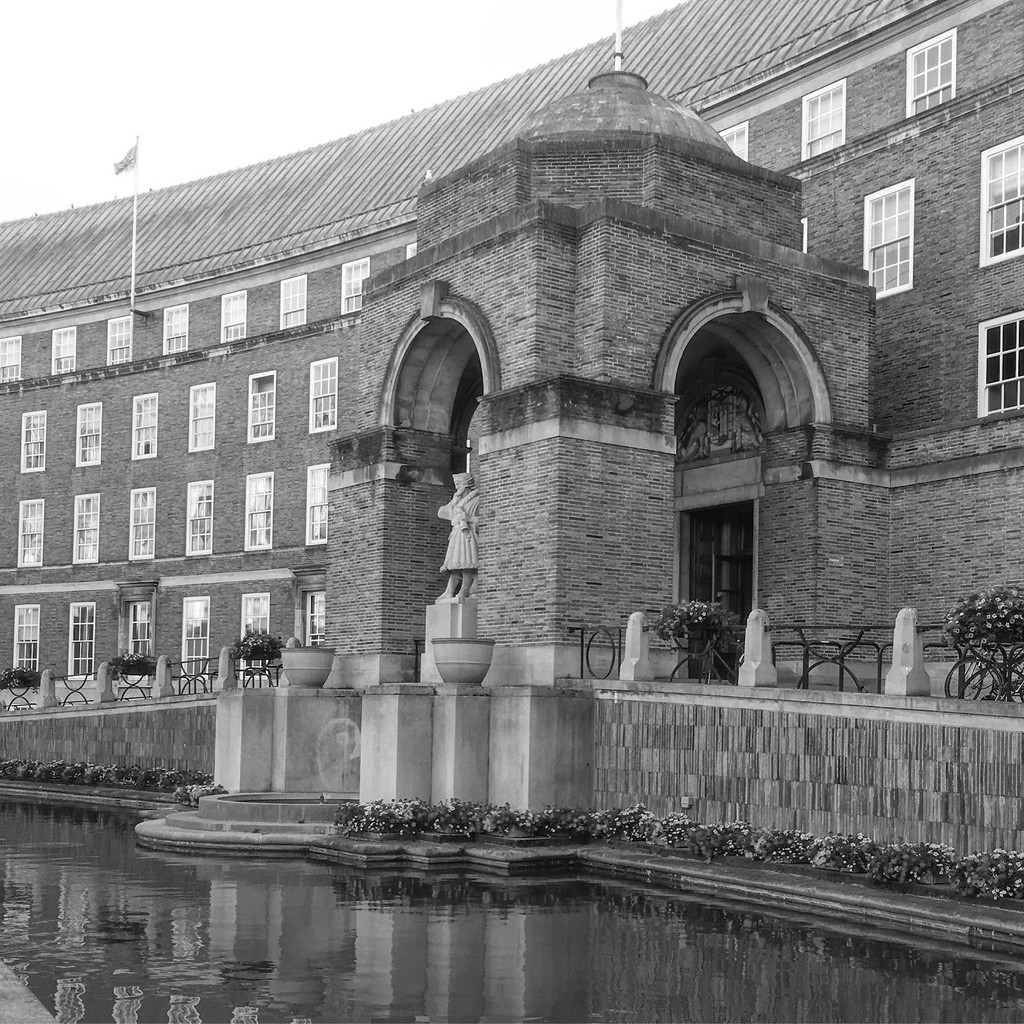
Bristol City Hall (Source: Google Maps)
Bristol City Hall, an impressive structure completed in 1938, exemplifies 20th-century civic architecture. Designed by the architect Sir George Oatley, it features a striking Portland stone façade and a grand entrance that reflects the city's ambitions in the interwar period. The building houses the Council Chamber, adorned with beautiful murals that depict Bristol's history and achievements. City Hall is not only a functional space for municipal activities but also a symbol of civic pride, showcasing the city's commitment to public service and community engagement. Its architectural elegance and historical importance make it a key landmark in Bristol.
Cabot Tower
Located in Brandon Hill Park, the Cabot Tower offers panoramic views of the city and is a tribute to John Cabot's historic voyage to North America.
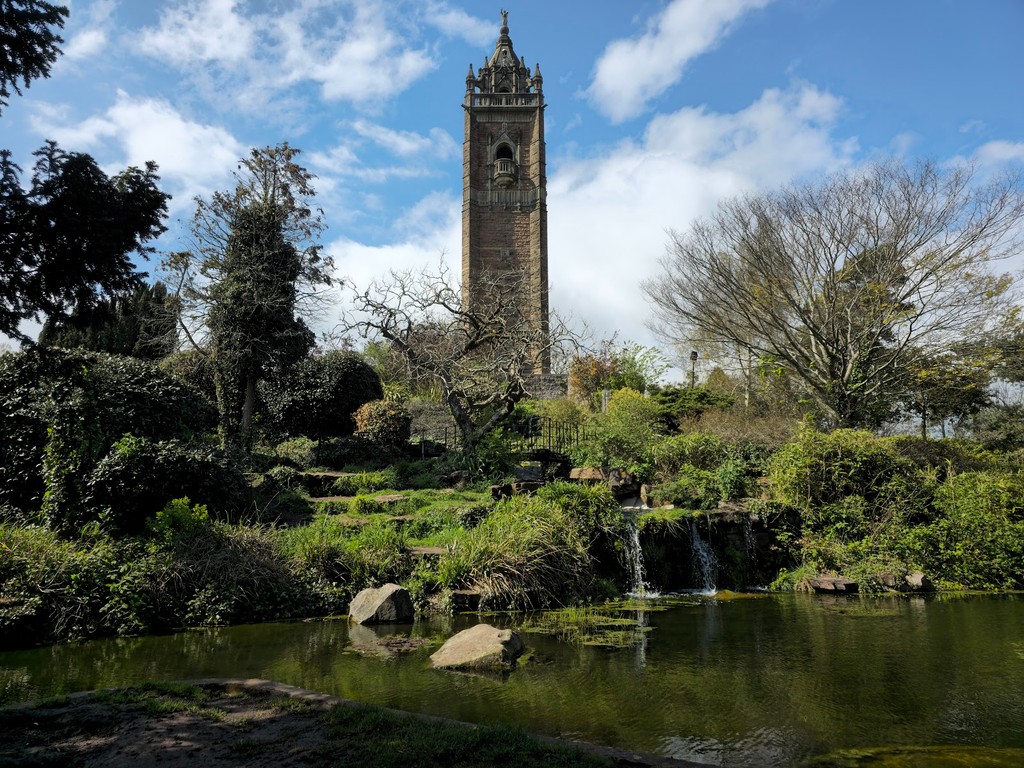
Cabot Tower (Source: Google Maps)
Cabot Tower, standing tall in Brandon Hill Park, was constructed in 1897 to commemorate John Cabot's historic voyage to North America in 1497. The tower, designed by architect William Venn Gough, is a striking example of Victorian Gothic architecture, featuring a mix of local sandstone and red brick. Visitors can ascend the tower for breathtaking panoramic views of Bristol and the surrounding countryside. The structure is not only a tribute to Cabot's exploration but also serves as a reminder of Bristol's maritime heritage. The surrounding park is a popular spot for locals and tourists alike, offering lush greenery and picturesque landscapes.
Bristol Museum & Art Gallery
A short walk from City Hall, this museum offers a fascinating collection ranging from ancient artifacts to contemporary art.
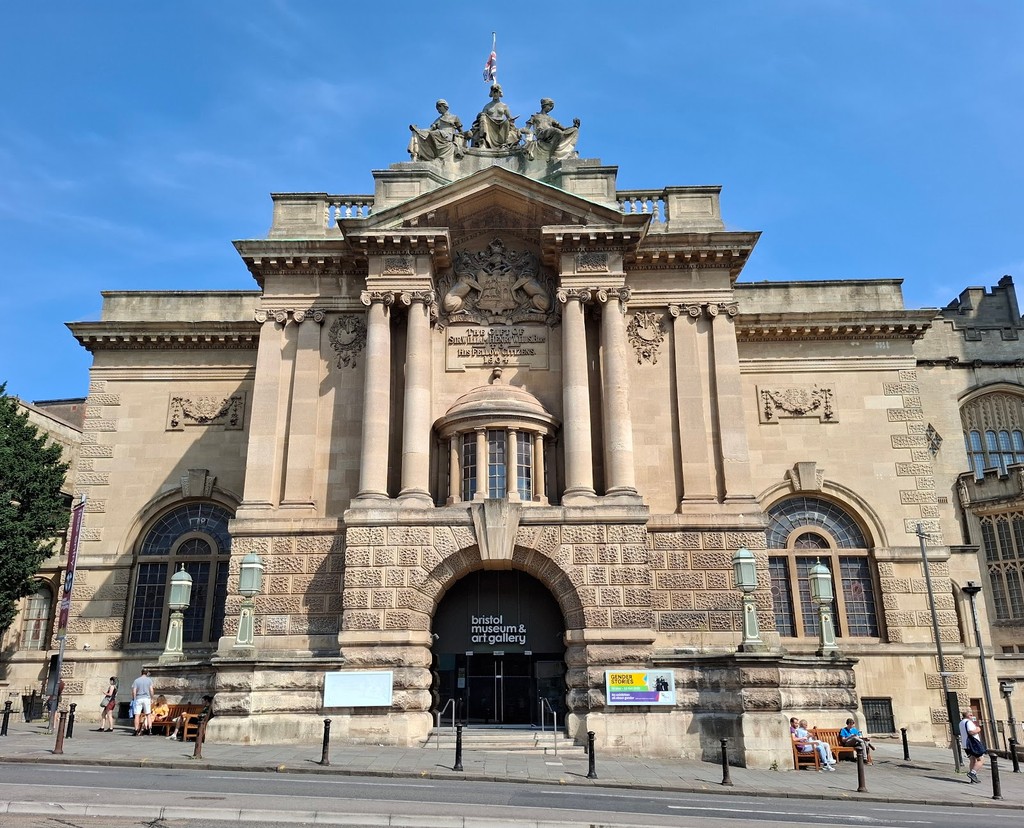
Bristol Museum & Art Gallery (Source: Google Maps)
The Bristol Museum & Art Gallery, located near City Hall, boasts an extensive collection that spans art, archaeology, and natural history. Established in 1823, it features exhibitions ranging from ancient Egyptian artifacts to contemporary art installations. The museum is known for its impressive collections of fine art, including works by renowned local artists, as well as international pieces. Its diverse range of exhibits provides insight into Bristol's cultural and historical significance. The museum also hosts various temporary exhibitions and educational programs, making it a vibrant hub for art and history enthusiasts. Entry is free, encouraging visitors to explore its treasures.
Wills Memorial Building
Head towards the iconic Wills Memorial Building, a part of the University of Bristol, known for its striking neo-Gothic architecture.
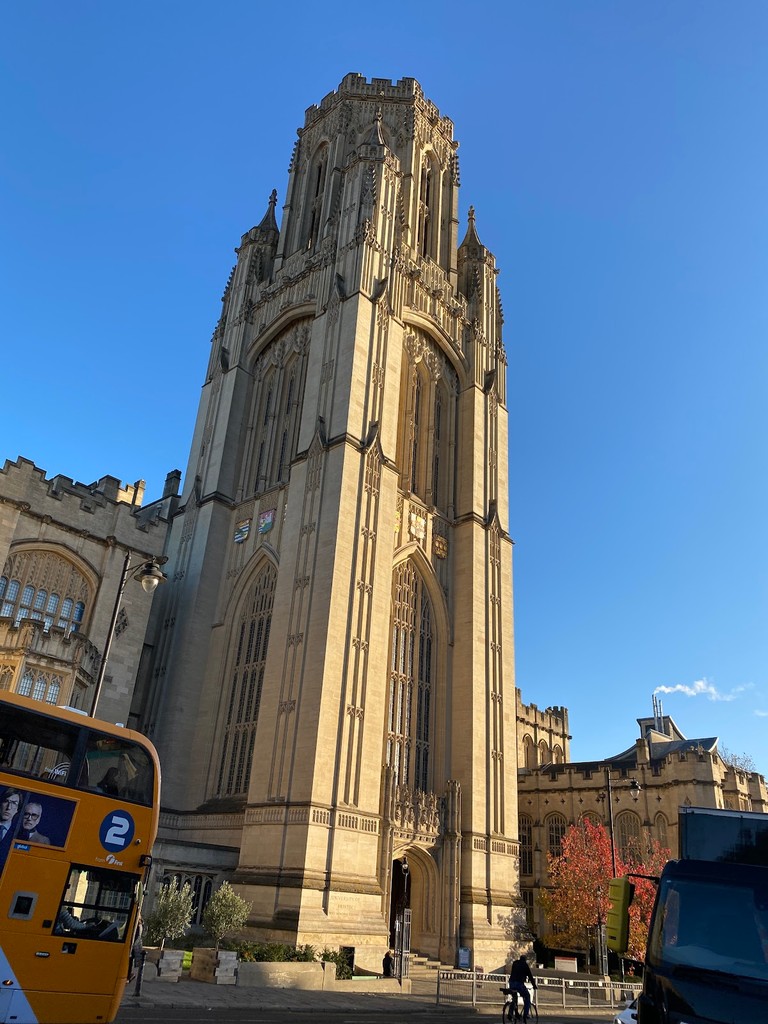
Wills Memorial Building (Source: Google Maps)
The Wills Memorial Building, part of the University of Bristol, is an iconic structure completed in 1925, designed by Sir George Oatley. This neo-Gothic masterpiece is notable for its towering presence and intricate stone carvings. The building was named after the Wills family, who were significant benefactors to the university. It serves as a landmark of academic excellence and houses the university's School of Law. The stunning interior features a grand staircase and a beautiful chapel, reflecting the building's architectural grandeur. Its presence on the Bristol skyline symbolizes the city's educational heritage and commitment to knowledge.
College Green
Just outside the cathedral, College Green is a lovely open space surrounded by historic buildings, ideal for a leisurely stroll and photo opportunities.
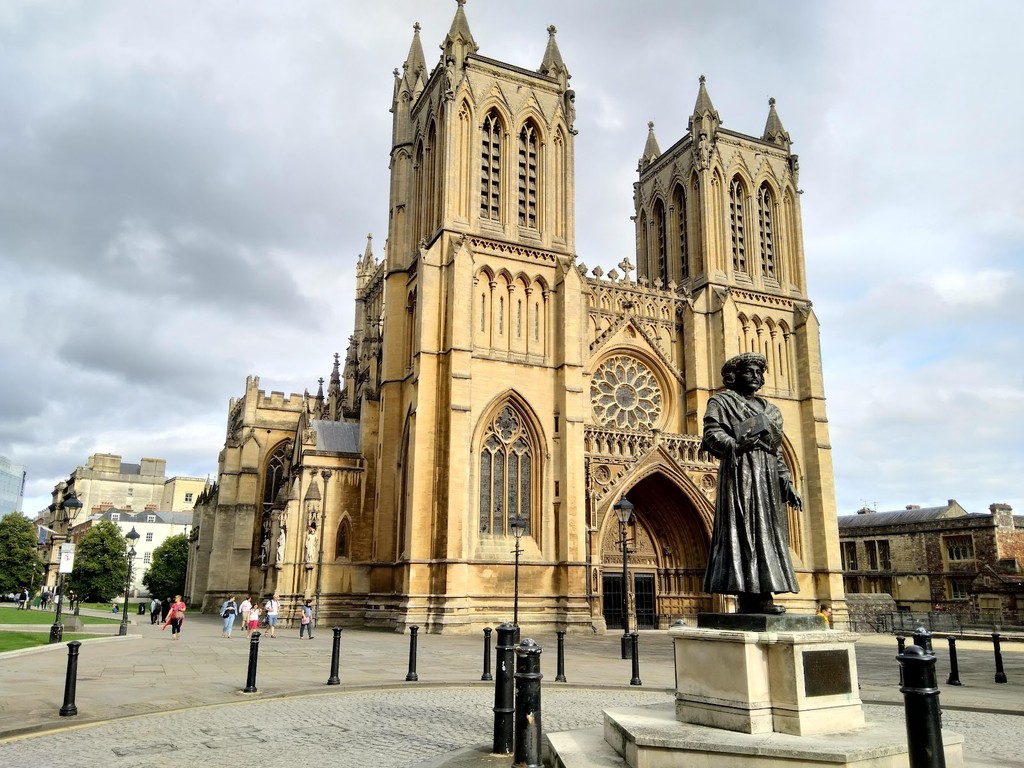
College Green (Source: Google Maps)
College Green is a picturesque public space located just outside Bristol Cathedral, surrounded by historic buildings and lush greenery. It serves as a popular gathering spot for locals and visitors alike, offering a peaceful retreat in the heart of the city. The green is often used for various cultural events, festivals, and markets, contributing to its vibrant atmosphere. The area is adorned with beautiful trees and benches, providing a perfect setting for leisurely strolls and social gatherings. Its proximity to the cathedral and other landmarks makes it an ideal starting point for exploring Bristol's rich history and architectural beauty.
Harbourside
Explore the bustling Harbourside area, where you can enjoy waterfront views and vibrant cultural attractions.
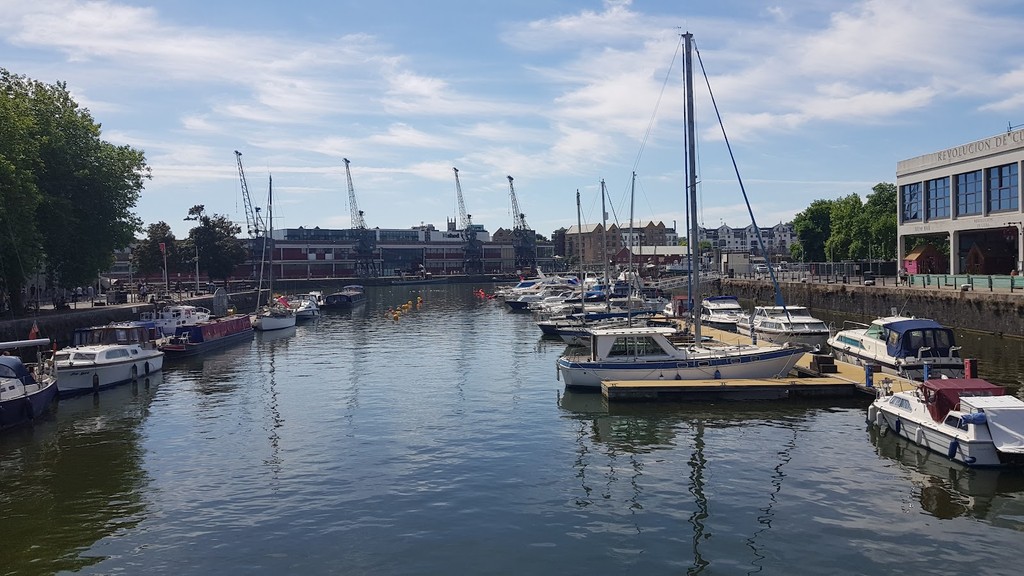
Harbourside (Source: Google Maps)
The Harbourside area of Bristol is a lively waterfront destination that showcases the city's maritime heritage and vibrant cultural scene. Once a bustling port, it has been transformed into a dynamic space featuring restaurants, shops, and cultural attractions. Visitors can enjoy scenic views of the harbor, with historic ships and modern vessels creating a picturesque backdrop. The area hosts various events throughout the year, including festivals and markets, making it a hub of activity. The Harbourside is also home to several museums and galleries, celebrating Bristol's history and artistic contributions, providing a rich experience for those exploring the waterfront.
M Shed
Visit the M Shed, a museum dedicated to the social and industrial history of Bristol, located right on the Harbourside.
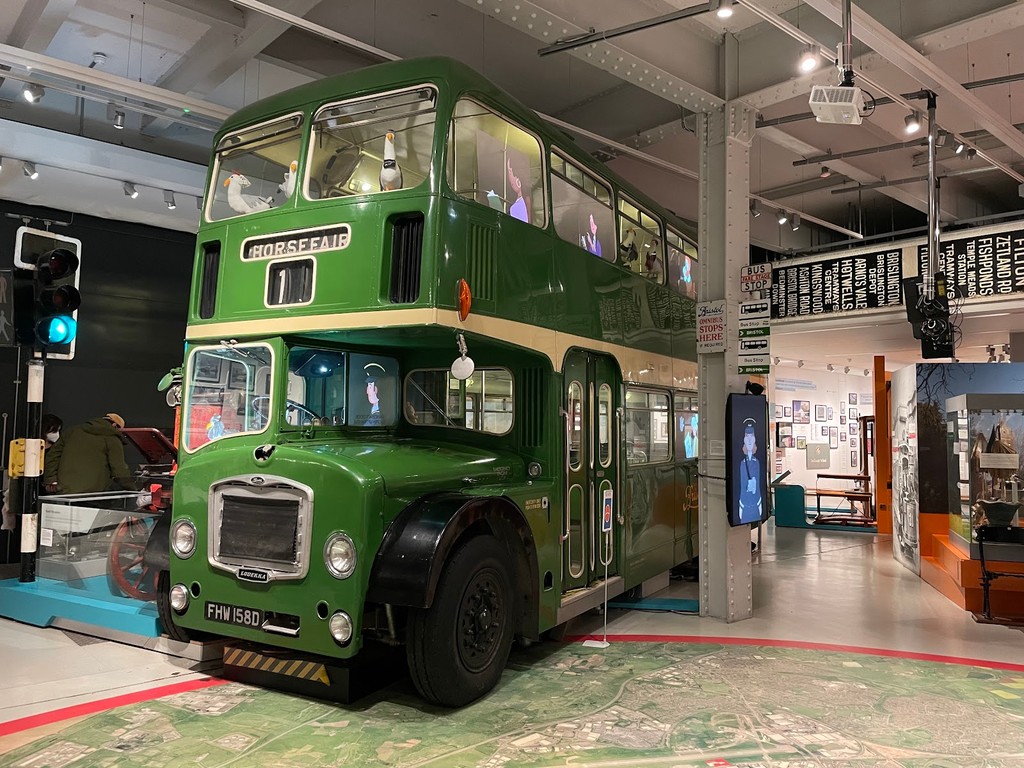
M Shed (Source: Google Maps)
M Shed is a unique museum dedicated to Bristol's social and industrial history, located right on the Harbourside. Opened in 2011, the museum occupies a former warehouse, beautifully integrating the city’s past with contemporary design. It features interactive exhibits that tell the story of Bristol's development, from its maritime roots to its modern-day cultural landscape. Visitors can explore a range of displays, including historical photographs, artifacts, and personal stories from local residents. M Shed serves as a community space, hosting events, workshops, and exhibitions that engage visitors of all ages, making it a vital part of Bristol's cultural fabric.
SS Great Britain
Conclude your tour with the SS Great Britain, a historic ship designed by Isambard Kingdom Brunel, now restored as a fascinating museum.
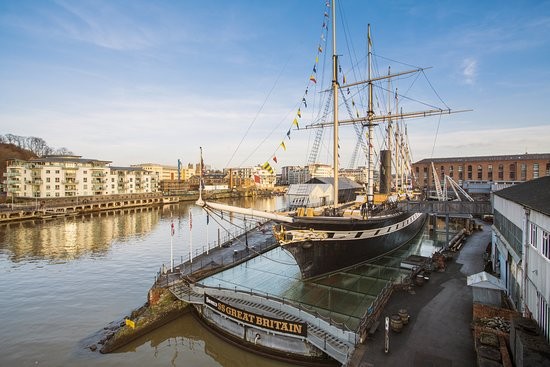
SS Great Britain (Source: Google Maps)
The SS Great Britain, designed by the renowned engineer Isambard Kingdom Brunel, was launched in 1843 and is considered one of the most important ships in maritime history. This revolutionary vessel was the first iron steamship to cross the Atlantic Ocean, symbolizing the advancement of engineering and shipbuilding. After years of service, the ship was retired and restored, now serving as a floating museum. Visitors can explore the ship's decks, learn about its fascinating history, and understand its role in transforming maritime travel. The SS Great Britain stands as a testament to Bristol's engineering heritage and continues to inspire awe among visitors.
Your travels, your rules.
Create your own Free Walking Tours.
Set your preferences, distances and anything you want to do or see.
Completely free, no payment required.