
 New York
Artistic Adventures in Lower Manhattan
Experience a vibrant exploration of Lower Manhattan's rich history, art, and culture on this engaging free walking tour.
Time
3 Hours
Stops
12 Places
Distance
5.2 km
The Oculus
Begin your journey at The Oculus, a stunning architectural marvel and transportation hub that also houses a vibrant shopping area.

The Oculus (Source: Google Maps)
The Oculus, designed by Santiago Calatrava, is an iconic transportation hub and shopping center in Lower Manhattan. Its striking, rib-like structure symbolizes a dove taking flight, representing peace and hope after the events of 9/11. Opened in 2016, it features a vast, light-filled interior with a skylight that illuminates the space. The Oculus is not only a transit hub for the PATH train but also a retail center with numerous shops and eateries, making it a bustling area for both commuters and tourists. The surrounding area is rich in history, with the nearby 9/11 Memorial and One World Trade Center, creating a poignant backdrop for reflection and remembrance. The design of the Oculus encourages visitors to experience a sense of openness and connection, inviting them to explore the heart of a revitalized Lower Manhattan.
Castle Clinton
Explore Castle Clinton, a circular sandstone fort located in The Battery, with a history dating back to the early 19th century.
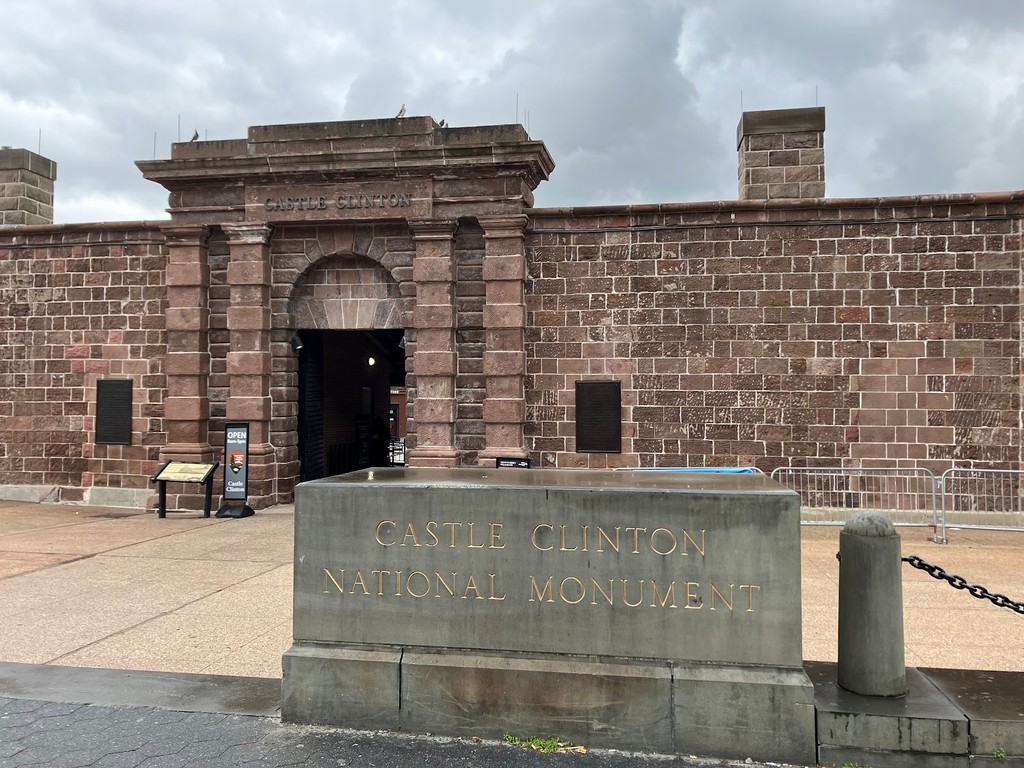
Castle Clinton (Source: Google Maps)
Castle Clinton, originally built as a fort in 1811, is a National Monument located in Battery Park. This circular sandstone structure was constructed to protect New York Harbor during the War of 1812. Over the years, it has served various purposes, including as a theater, an immigrant processing station, and a museum. Its architecture features a distinctive circular design, with thick walls and a commanding view of the harbor. Today, Castle Clinton is a historic site that offers visitors insights into early American military history and the immigrant experience. Surrounded by the scenic Battery Park, it provides a beautiful setting for reflection and exploration, with stunning views of the Statue of Liberty and Ellis Island.
The Battery
Enjoy the scenic views and gardens at The Battery, a historic waterfront park with a rich history.
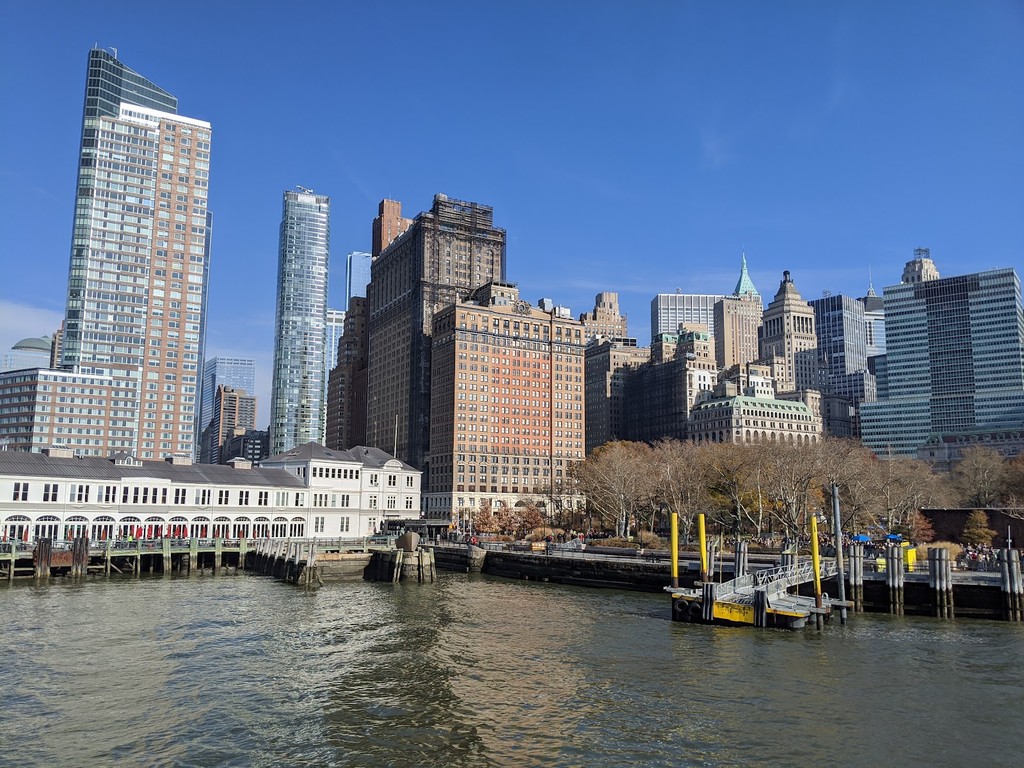
The Battery (Source: Google Maps)
The Battery, a historic waterfront park at the southern tip of Manhattan, offers stunning views of New York Harbor and the Statue of Liberty. Originally a military fortification, it has transformed into a lush green space with gardens, monuments, and recreational areas. The park is home to several significant monuments, including the Coast Guard Memorial and the East Coast Memorial, honoring those who served in the military. Visitors can enjoy leisurely strolls along the promenade, relax on the lawns, or take in the vibrant atmosphere filled with street performers and artists. The Battery's rich history and beautiful landscapes make it a perfect spot for both relaxation and exploration, bridging the past with the present.
Bowling Green
Walk through Bowling Green, the oldest public park in New York City, and enjoy the surrounding historic charm.
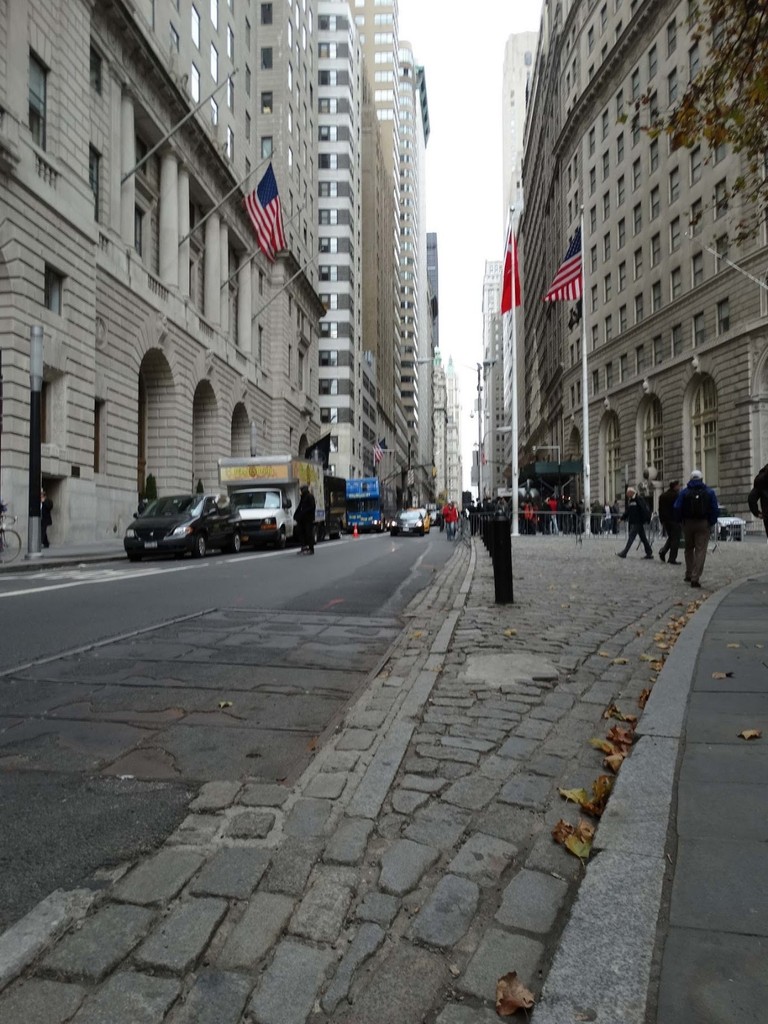
Bowling Green (Source: Google Maps)
Bowling Green is the oldest public park in New York City, established in 1733. This historic park is known for its lush gardens, majestic trees, and the iconic Charging Bull statue, symbolizing financial prosperity. The park features a beautiful wrought-iron fence and a central fountain, creating a serene oasis amidst the bustling city. Its rich history includes serving as a public space for gatherings and celebrations, making it a vital part of New York's social fabric. Bowling Green is surrounded by historic buildings, including the New York Stock Exchange, providing a glimpse into the city's economic heritage. Visitors can enjoy a peaceful stroll, admire the art installations, or simply relax on a bench while soaking in the vibrant atmosphere.
Stone Street
Wander down Stone Street, a quaint cobblestone street lined with historic buildings and outdoor dining options.
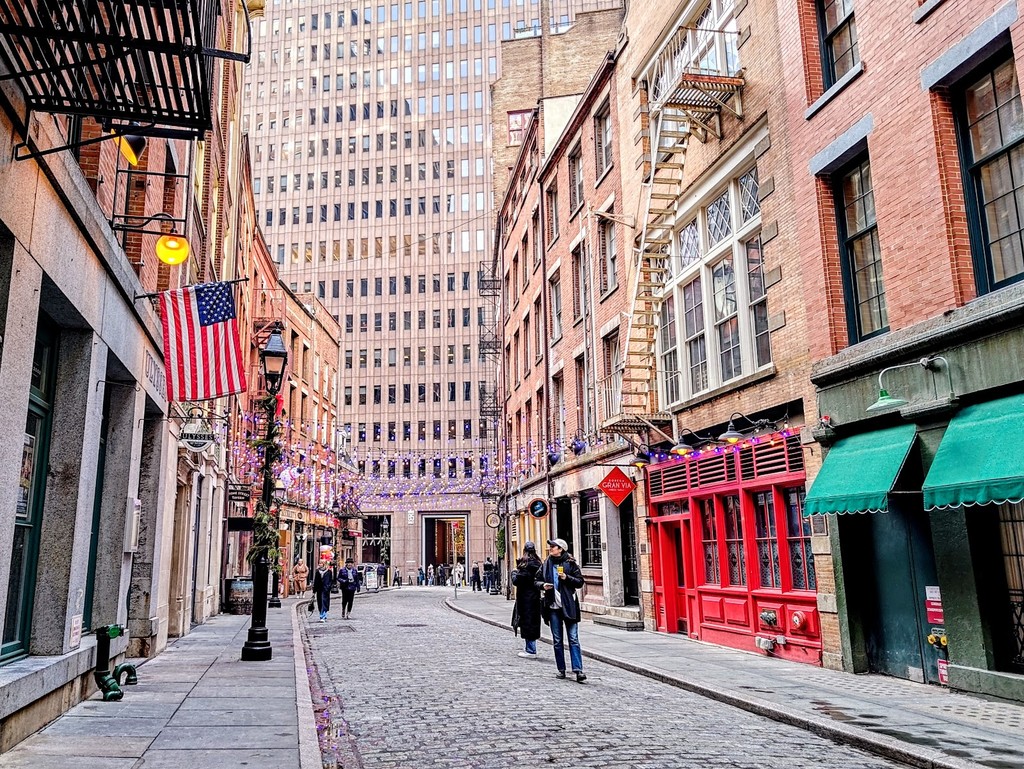
Stone Street (Source: Google Maps)
Stone Street is one of the oldest streets in New York City, dating back to the 17th century. This charming cobblestone street is lined with historic buildings, many of which have been beautifully restored. Stone Street is known for its vibrant outdoor dining scene, with numerous restaurants and cafes offering a variety of cuisines. The street's quaint atmosphere and rich history make it a popular destination for both locals and tourists. As you walk down Stone Street, you'll encounter fascinating architecture, including the famous Fraunces Tavern, where George Washington bid farewell to his troops. The lively ambiance, combined with the historical significance, creates a unique experience that transports visitors back in time.
Pearl Diner
Enjoy a classic New York diner experience at Pearl Diner, perfect for a quick bite or a coffee break.

Pearl Diner (Source: Google Maps)
Federal Hall
Explore Federal Hall, where George Washington took the oath of office as the first President of the United States, rich with history and significance.
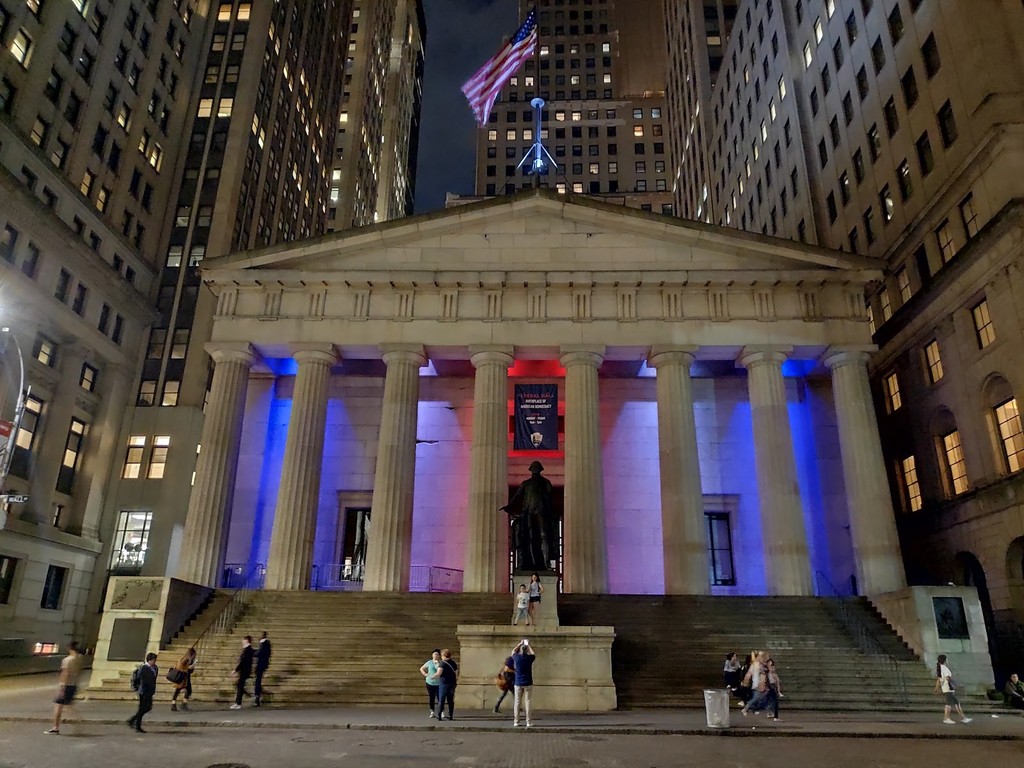
Federal Hall (Source: Google Maps)
Federal Hall, located on Wall Street, is a historic building that served as the first capitol of the United States under the Constitution. It was here that George Washington took the oath of office as the first President in 1789, making it a site of immense historical significance. The building features neoclassical architecture, with grand columns and a prominent staircase leading to the entrance. Today, Federal Hall serves as a museum, showcasing exhibits about the nation's founding and the history of American democracy. The statue of George Washington in front of the building is a popular photo spot, symbolizing the birthplace of the American government. Visitors can explore the interior, learn about the nation's history, and reflect on the principles of liberty and democracy that continue to shape the country.
Fearless Girl
Take a moment to admire the Fearless Girl statue, a symbol of empowerment and gender equality, located near Bowling Green.

Fearless Girl (Source: Google Maps)
The Fearless Girl statue, installed in 2017, has become an iconic symbol of empowerment and gender equality. Positioned facing the famous Charging Bull on Wall Street, the statue represents the strength and determination of women in the workplace and beyond. Created by artist Kristen Visbal, the bronze statue depicts a young girl standing confidently with her hands on her hips, challenging the traditional notions of masculinity in the financial world. The installation was commissioned by State Street Global Advisors as a call to action for companies to increase the number of women on their boards. The Fearless Girl has inspired countless visitors, sparking conversations about gender equality and representation in various sectors. Its location in the heart of New York's financial district adds to its significance, making it a powerful symbol of change and progress.
Trinity Church
Visit the historic Trinity Church, known for its beautiful architecture and peaceful churchyard, providing a serene contrast to the bustling city.
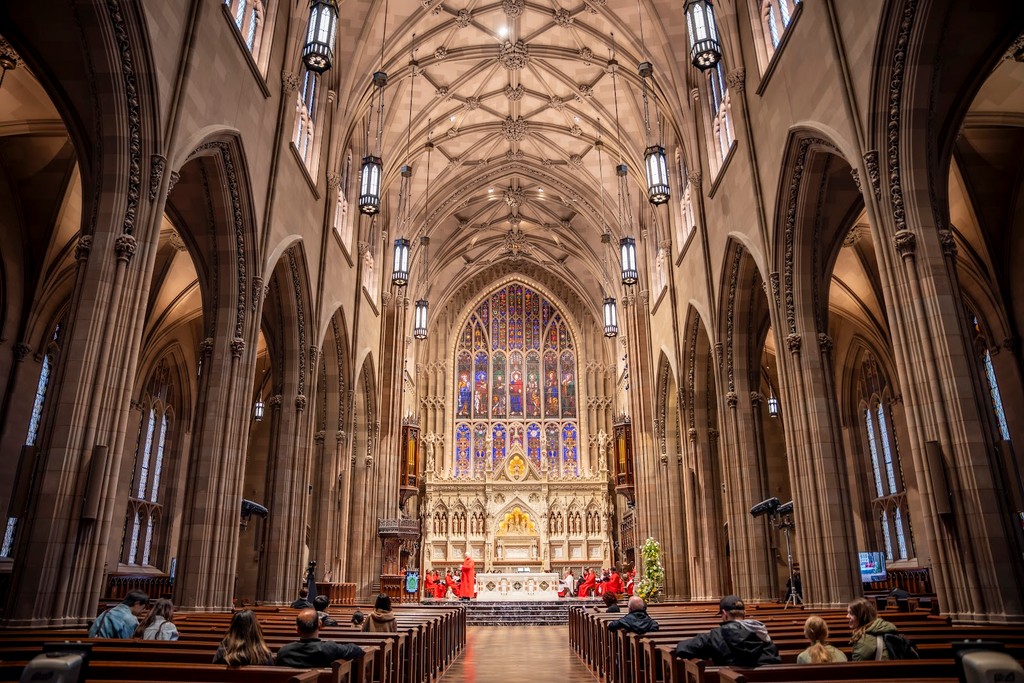
Trinity Church (Source: Google Maps)
Trinity Church, located at the intersection of Wall Street and Broadway, is a historic Episcopal church known for its stunning Gothic Revival architecture and rich history. Built in the early 19th century, the church features a striking spire that rises 280 feet, making it one of the tallest structures in the area. The churchyard is a peaceful retreat amidst the hustle and bustle of the financial district, with beautifully landscaped gardens and historic gravestones, including that of Alexander Hamilton. Trinity Church has played a significant role in the community, providing spiritual guidance and support during challenging times, including the aftermath of the September 11 attacks. Visitors can explore the church's interior, admire the intricate stained glass windows, and participate in services or events, making it a vital part of New York City's cultural and spiritual landscape.
9/11 Memorial
Pay your respects at the 9/11 Memorial, a poignant tribute to the victims of the September 11 attacks, featuring the twin reflecting pools.
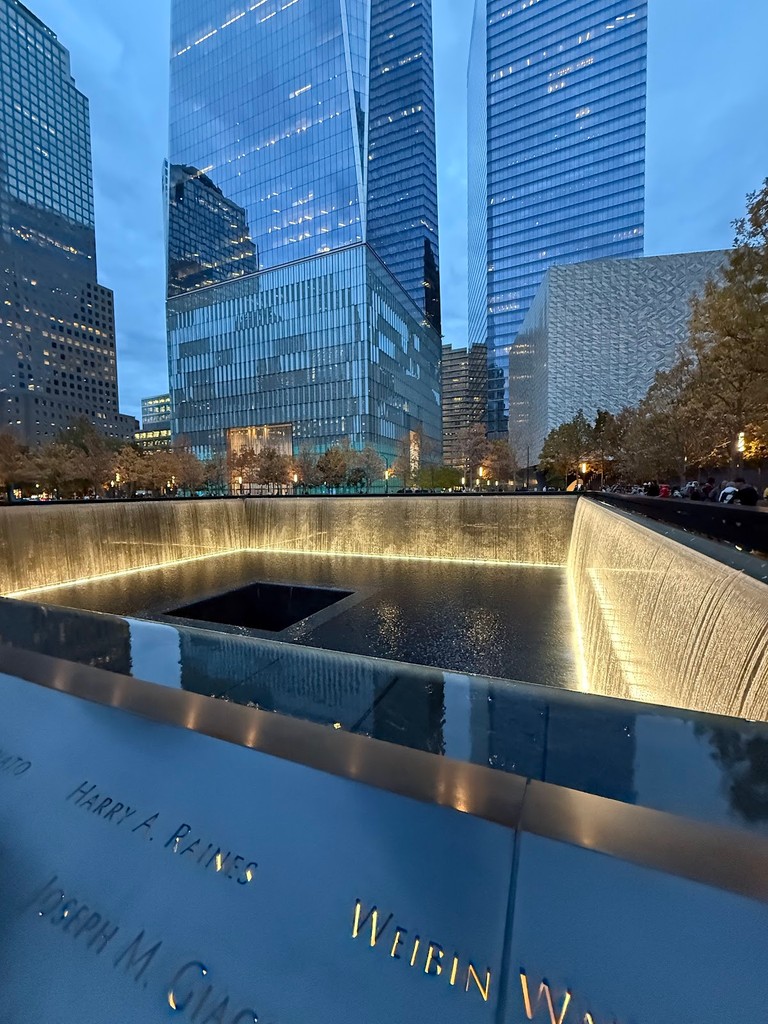
9/11 Memorial (Source: Google Maps)
The 9/11 Memorial is a poignant tribute to the nearly 3,000 victims of the September 11 attacks. Located at the World Trade Center site, the memorial features two reflecting pools set within the footprints of the original Twin Towers. Each pool is surrounded by a bronze parapet inscribed with the names of the victims, creating a somber and reflective atmosphere. The memorial was designed by architect Michael Arad and landscape architect Peter Walker, emphasizing themes of loss, remembrance, and healing. The surrounding area is beautifully landscaped with trees and greenery, providing a serene space for visitors to reflect and honor the memories of those lost. Adjacent to the memorial is the National September 11 Museum, which offers deeper insights into the events of that day and their lasting impact on the world.
Irish Hunger Memorial
Reflect at the Irish Hunger Memorial, a moving tribute to the Great Irish Famine and the immigrant experience.
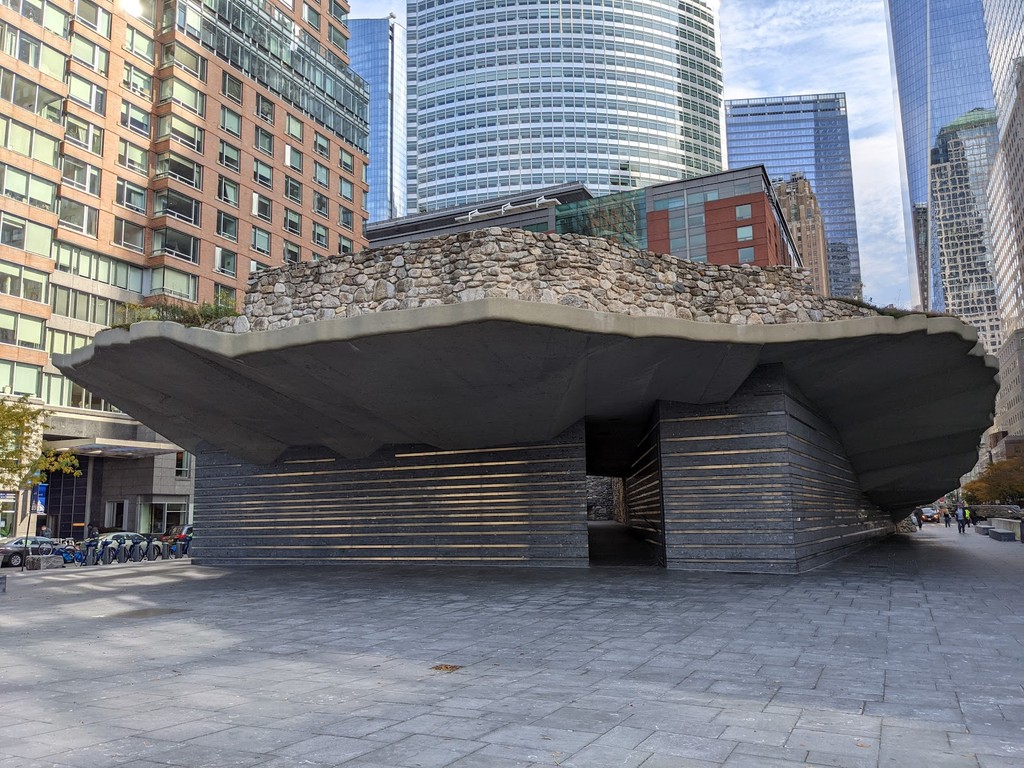
Irish Hunger Memorial (Source: Google Maps)
The Irish Hunger Memorial, located in Battery Park City, is a moving tribute to the Great Irish Famine and the immigrant experience. Designed by artist Brian Tolle, the memorial features a landscape that incorporates elements of both Ireland and New York, symbolizing the journey of Irish immigrants. The centerpiece of the memorial is a stone cottage, reminiscent of traditional Irish homes, set amidst a lush landscape of native plants. The memorial serves as a reminder of the suffering endured during the famine and the resilience of those who immigrated to America in search of a better life. Visitors can walk through the memorial, experiencing the sounds and sights of nature while reflecting on the historical significance of the famine and its impact on Irish culture. The Irish Hunger Memorial stands as a testament to the strength of the human spirit and the importance of remembering history.
African Burial Ground National Monument
Visit the African Burial Ground, a significant site recognizing the contributions and hardships of African Americans in early New York.
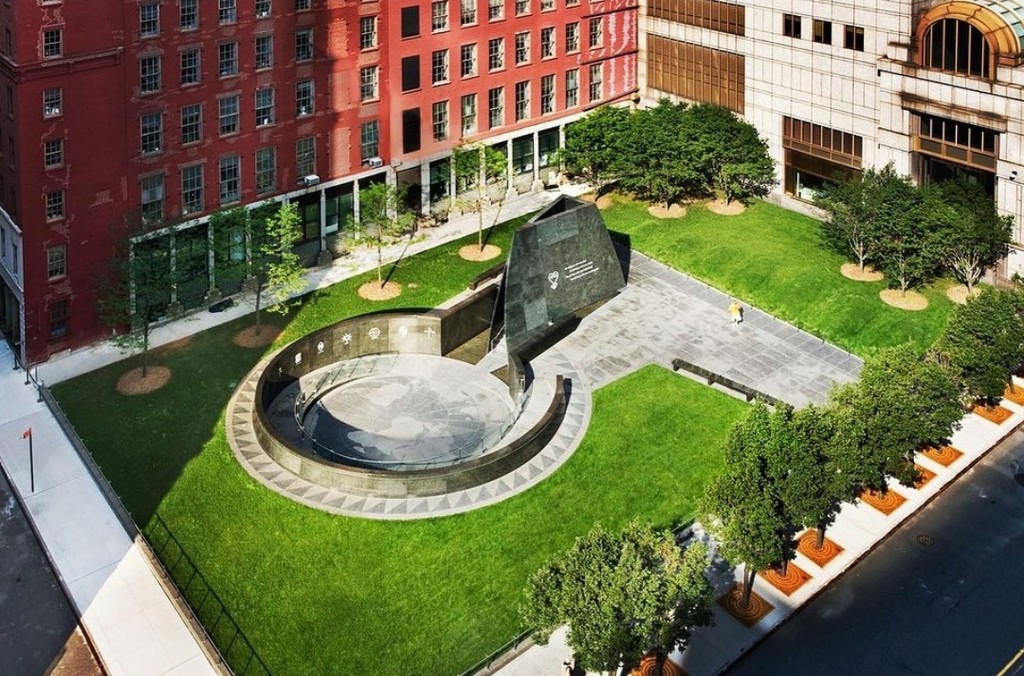
African Burial Ground National Monument (Source: Google Maps)
The African Burial Ground National Monument is a significant historical site that honors the contributions and sacrifices of African Americans in early New York. Discovered in 1991 during construction, this burial ground contains the remains of over 15,000 Africans, many of whom were enslaved, dating back to the 17th and 18th centuries. The site serves as a powerful reminder of the African presence in New York and the struggles faced by the community throughout history. The monument features an outdoor memorial with a granite wall inscribed with the names of notable African Americans, as well as a visitor center that provides educational exhibits about the history and culture of African Americans in the city. This site is a place of reflection, education, and remembrance, acknowledging the resilience and contributions of African Americans to the nation.
Your travels, your rules.
Create your own Free Walking Tours.
Set your preferences, distances and anything you want to do or see.
Completely free, no payment required.