
 Amsterdam
Amsterdam's Enchanting Landmark Odyssey
Embark on a free walking tour that unveils Amsterdam's iconic landmarks from the outside, immersing you in the city's rich history and vibrant culture.
Time
4 Hours
Stops
9 Places
Distance
4.7 km
Dam Square
Start your tour at Dam Square, the historical heart of Amsterdam, home to the Royal Palace and the National Monument.
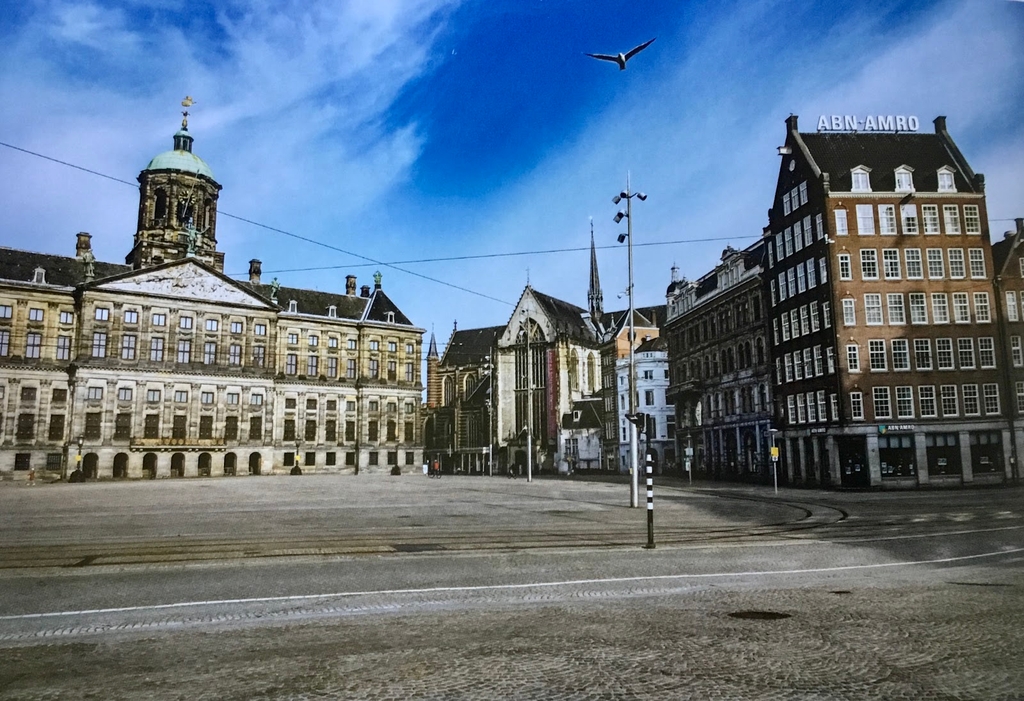
Dam Square (Source: Google Maps)
Dam Square serves as the historical heart of Amsterdam, a vibrant public space that has been central to the city since the 13th century. Originally a dam built to control the waters of the Amstel River, it has evolved into a bustling area surrounded by significant buildings, including the Royal Palace and the National Monument. The Royal Palace, constructed in the 17th century, showcases stunning Neoclassical architecture and was originally built as a city hall before becoming the royal residence. The National Monument, erected in 1956, commemorates the victims of World War II and is a focal point for national celebrations. Dam Square is not only a hub of activity with street performers and local vendors but also a testament to Amsterdam's historical significance and resilience.
Nieuwe Kerk (New Church)
Just a few steps from Dam Square, admire the stunning Gothic architecture of the Nieuwe Kerk, a venue for royal ceremonies.
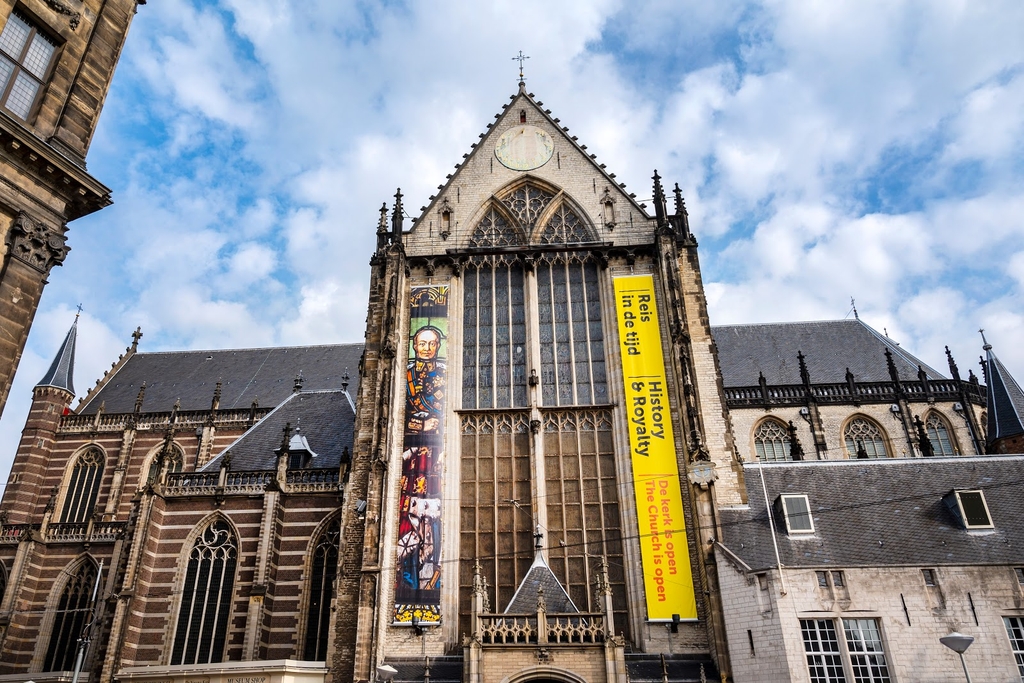
Nieuwe Kerk (New Church) (Source: Google Maps)
Situated close to Dam Square, the Nieuwe Kerk, or New Church, is a striking example of Gothic architecture, dating back to the 15th century. Although it is called a 'new' church, it has stood the test of time and remains a symbol of Amsterdam's rich religious history. The church has served as the venue for numerous royal ceremonies, including the investiture of Dutch monarchs. Its stunning stained glass windows and intricate wooden interiors are a marvel for visitors, showcasing the craftsmanship of the era. The Nieuwe Kerk is also home to various exhibitions that explore the intersection of art and religion, making it a cultural landmark that reflects the evolving identity of Amsterdam.
Begijnhof
A short walk away, discover the Begijnhof, a tranquil courtyard dating back to the 14th century, offering a glimpse into Amsterdam's past.
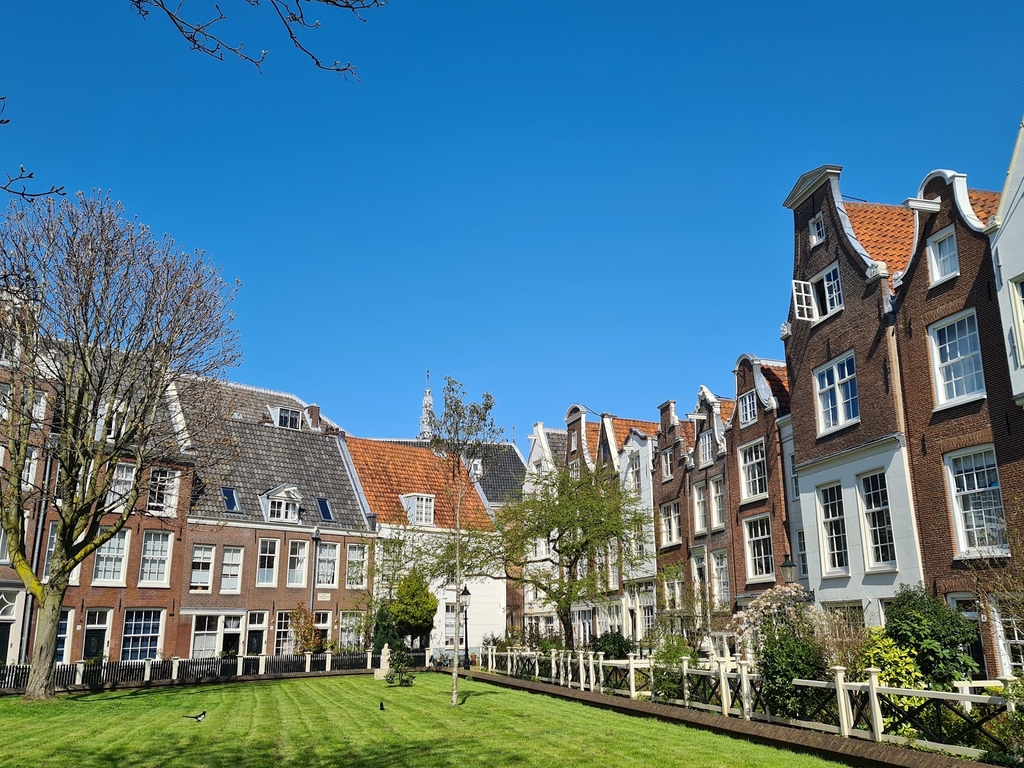
Begijnhof (Source: Google Maps)
The Begijnhof is a serene courtyard that offers a glimpse into the past of Amsterdam, dating back to the 14th century. Originally established as a community for Beguines, religious women who lived in a semi-monastic community, this hidden gem is one of the city’s oldest inner courtyards. The architecture of the Begijnhof is notable, featuring traditional Dutch houses, some of which are among the oldest wooden houses in the city. The tranquil atmosphere is enhanced by the lush greenery and the historic chapel, which still holds services today. As a protected site, the Begijnhof stands as a testament to Amsterdam's commitment to preserving its cultural heritage and offers a peaceful retreat from the bustling city.
Bloemenmarkt
Continue to the Bloemenmarkt, the world’s only floating flower market, and enjoy the vibrant colors and scents of Dutch flowers.
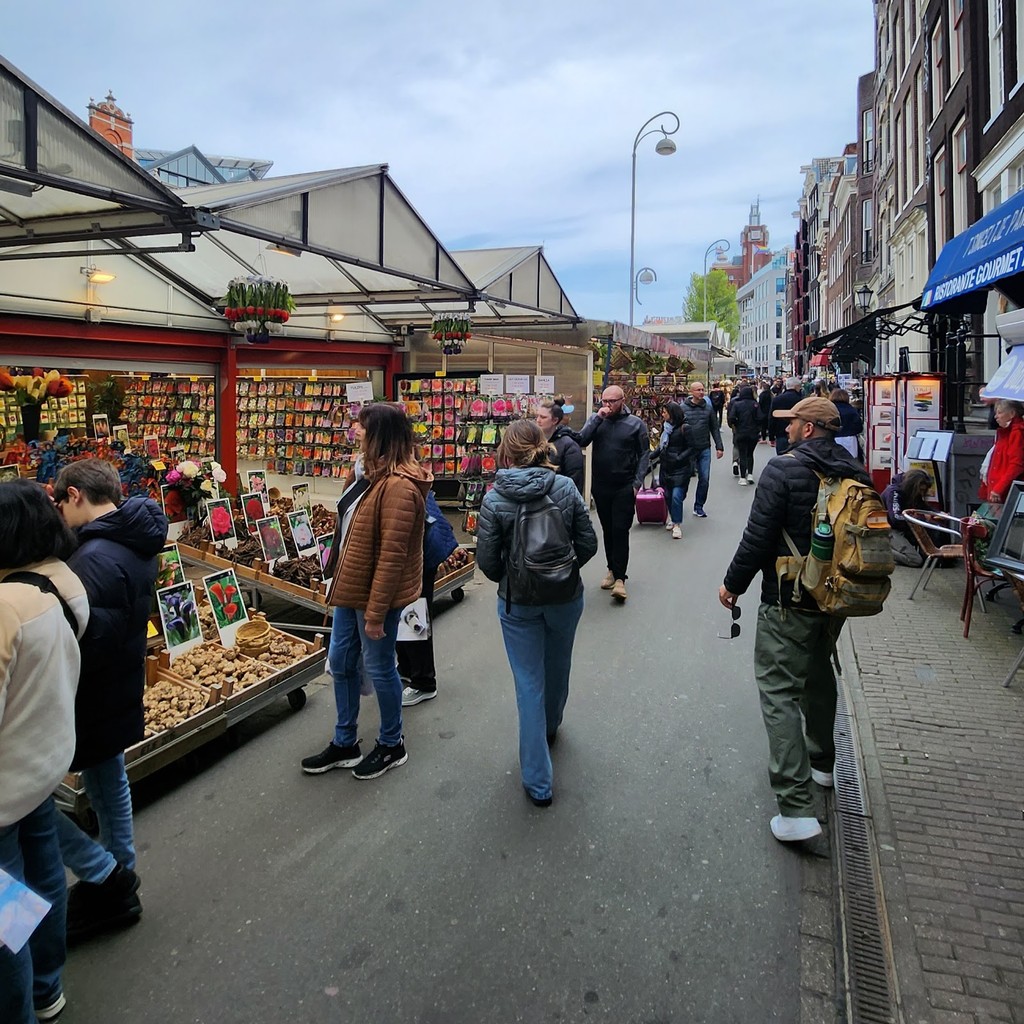
Bloemenmarkt (Source: Google Maps)
The Bloemenmarkt, known as the world's only floating flower market, is a vibrant spectacle of color and fragrance. Established in the 19th century, this unique market is situated on houseboats along the Singel canal, showcasing a wide variety of flowers, plants, and bulbs. The market is particularly famous for its tulips, which are iconic symbols of Dutch culture and heritage. Visitors can explore the stalls filled with seasonal blooms and experience the lively atmosphere that reflects the Dutch love for gardening and nature. The Bloemenmarkt not only serves as a commercial hub but also as a cultural landmark, celebrating the beauty of flowers and their significance in Dutch history.
Rembrandtplein
Head to Rembrandtplein, a lively square named after the famous painter, surrounded by cafes and vibrant nightlife.
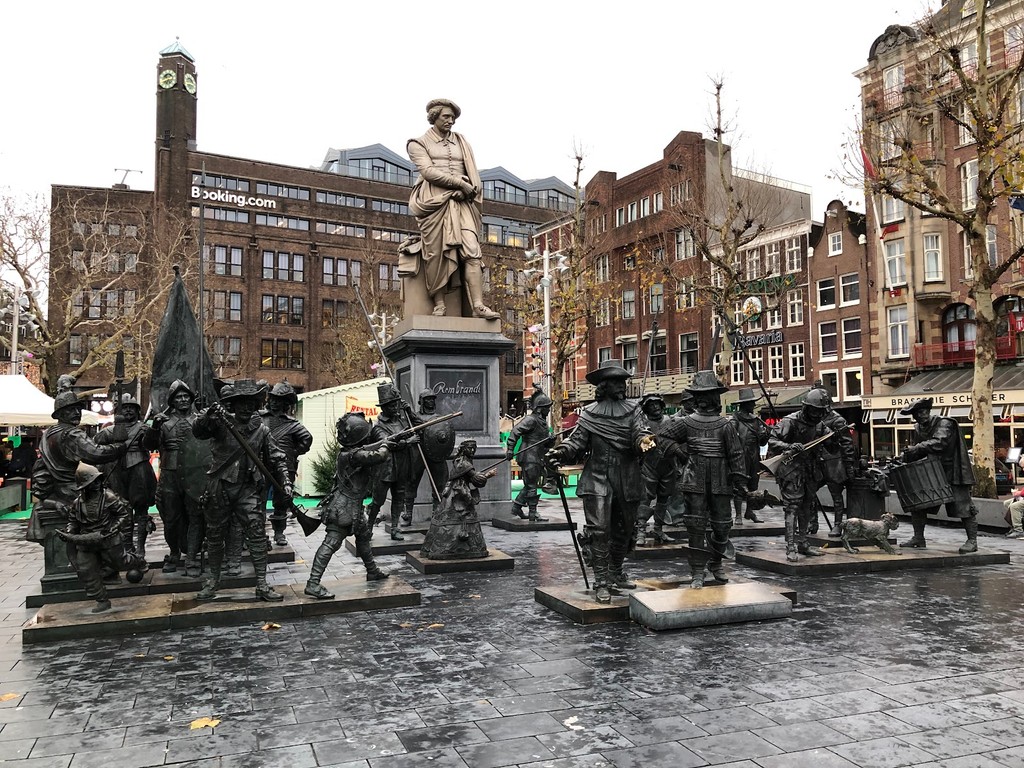
Rembrandtplein (Source: Google Maps)
Rembrandtplein is a lively square named after the famous Dutch painter Rembrandt van Rijn, who is celebrated for his contributions to art during the Dutch Golden Age. The square is surrounded by cafes, restaurants, and nightlife venues, making it a popular gathering spot for both locals and tourists. At the center of the square stands a bronze statue of Rembrandt, surrounded by sculptures depicting characters from his renowned painting 'The Night Watch.' This vibrant atmosphere is enhanced by street performances and outdoor events, making Rembrandtplein a cultural hub that reflects the artistic spirit of Amsterdam. The square is also an excellent representation of the city's dynamic blend of history and modernity.
Hermitage Amsterdam (External View)
Nearby, view the exterior of the Hermitage Amsterdam, an impressive museum building along the Amstel River.
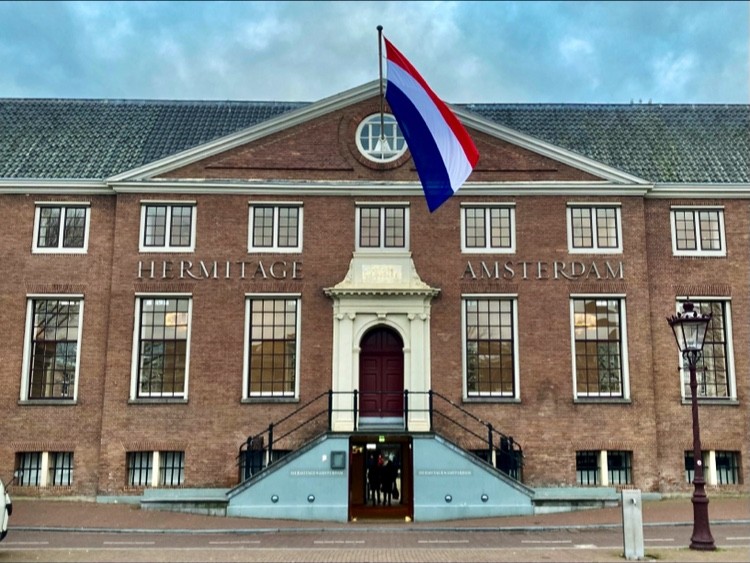
Hermitage Amsterdam (External View) (Source: Google Maps)
The Hermitage Amsterdam is a branch of the famous Hermitage Museum in St. Petersburg, Russia, showcasing a stunning collection of art and cultural artifacts. The museum is housed in a beautifully restored 17th-century building along the Amstel River, reflecting the grandeur of Dutch architecture. The exterior of the Hermitage features elegant facades and intricate details, inviting visitors to appreciate its historical significance. The museum often hosts temporary exhibitions that highlight various aspects of art and culture, making it a vital part of Amsterdam's cultural landscape. The Hermitage Amsterdam not only enhances the city's artistic heritage but also serves as a bridge between Dutch and Russian culture.
Magere Brug (Skinny Bridge)
Walk along the Amstel River to the Magere Brug, a picturesque white wooden drawbridge and one of Amsterdam’s most iconic sights.
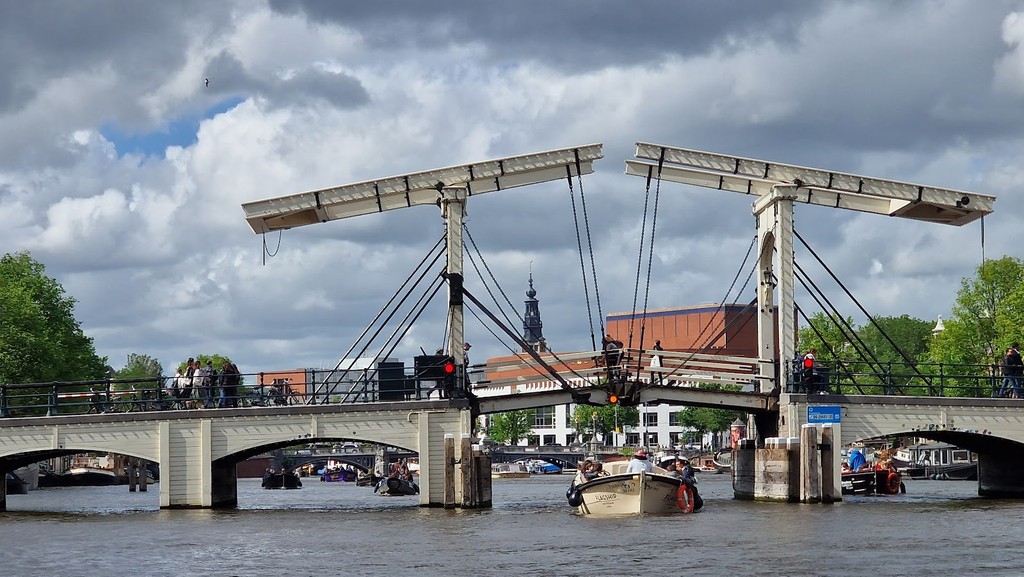
Magere Brug (Skinny Bridge) (Source: Google Maps)
The Magere Brug, or Skinny Bridge, is one of Amsterdam's most iconic sights, known for its picturesque design and romantic charm. This wooden drawbridge spans the Amstel River and dates back to the 17th century, originally built as a means to connect both sides of the river. The bridge's name, meaning 'skinny bridge' in Dutch, refers to its narrow width. It has become a symbol of Amsterdam's unique architectural style and is often adorned with beautiful lighting, particularly at night. The Magere Brug is not only a functional crossing but also a popular spot for photographs, offering stunning views of the surrounding canals and typical Amsterdam houses, making it a must-see landmark.
Museumplein
Proceed to Museumplein, the cultural hub of Amsterdam, where you can see the exteriors of the Rijksmuseum, Van Gogh Museum, and Stedelijk Museum.
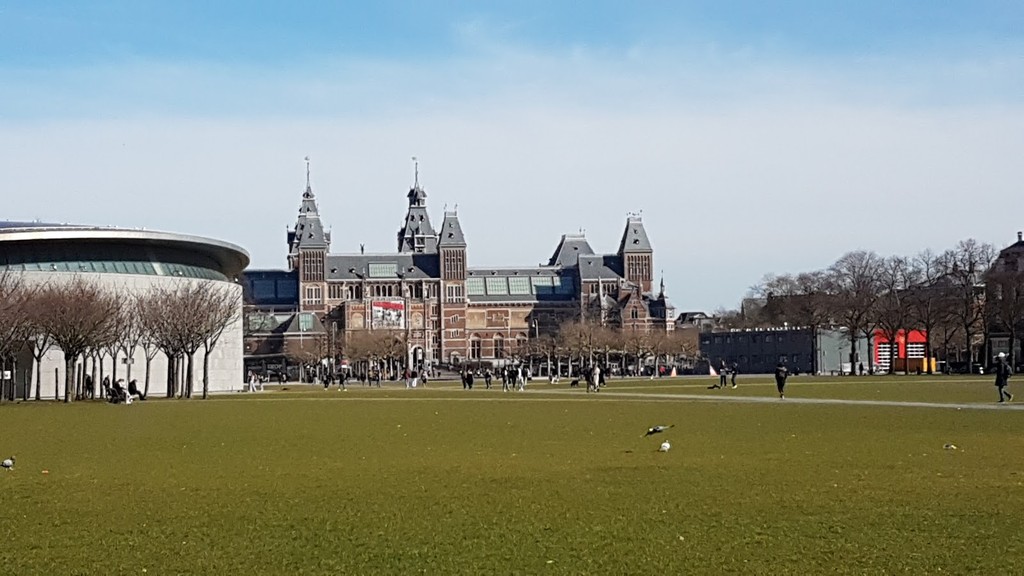
Museumplein (Source: Google Maps)
Museumplein is the cultural heart of Amsterdam, home to several of the city's most important museums, including the Rijksmuseum, Van Gogh Museum, and Stedelijk Museum. This expansive square is designed to accommodate large crowds and cultural events, making it a vibrant gathering place for art lovers and tourists alike. The Rijksmuseum, with its stunning Gothic and Renaissance architecture, houses masterpieces from Dutch artists, while the Van Gogh Museum is dedicated to the works of Vincent van Gogh, showcasing his evolution as an artist. The Stedelijk Museum focuses on modern and contemporary art and design. Museumplein is not only an artistic hub but also a space for relaxation, often filled with visitors enjoying the gardens and open-air events.
Vondelpark
End your tour with a stroll through Vondelpark, Amsterdam’s largest city park, perfect for relaxation and people-watching.
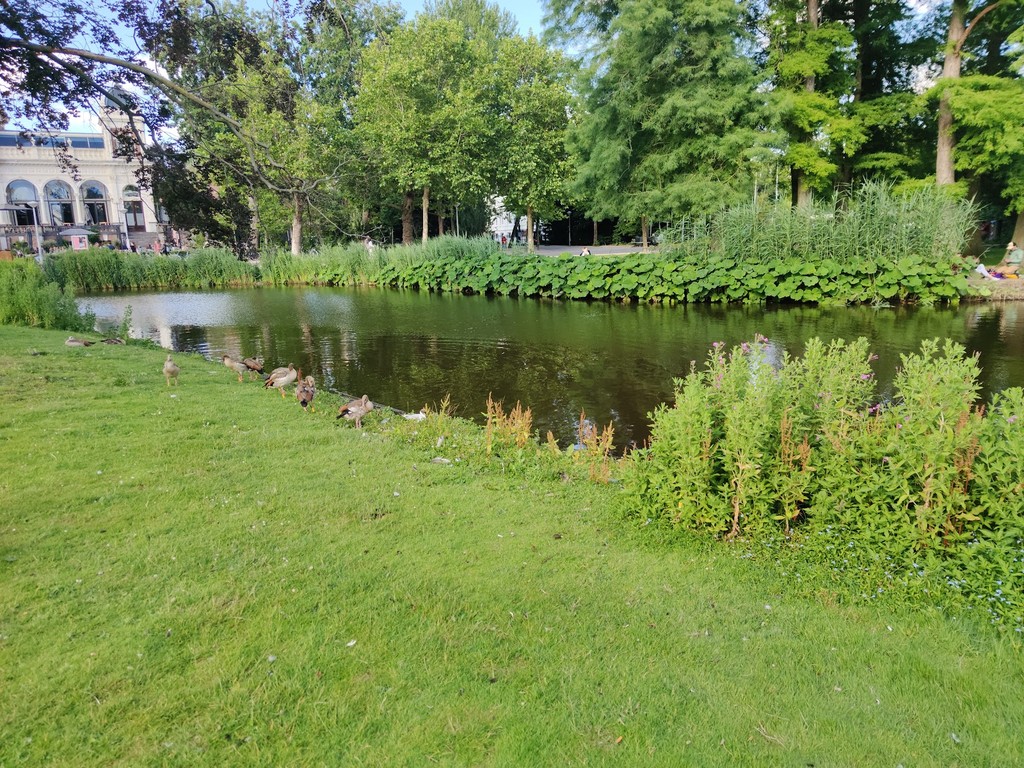
Vondelpark (Source: Google Maps)
Vondelpark is Amsterdam's largest city park, offering a lush green oasis amidst the urban landscape. Established in the 19th century, the park features winding pathways, beautiful ponds, and a variety of trees and flowerbeds, making it a perfect spot for leisure and recreation. The park is a beloved gathering place for locals, who come to jog, cycle, or simply relax on the grass. Vondelpark also hosts various cultural events, including open-air concerts and theater performances during the summer months. The park's design encourages community interaction and provides an escape from the hustle and bustle of city life. Its historical significance and natural beauty make it a cherished landmark in Amsterdam, reflecting the city's commitment to green spaces.

Your travels, your rules.
Create your own Free Walking Tours.
Set your preferences, distances and anything you want to do or see.
Completely free, no payment required.